


Types of Woodworking Mallets and When to Use Each
A mallet is one of the simplest tools in a woodworking shop, but it's also one of the most useful. Whether you're assembling a cabinet, driving a chisel, seating a dowel, or adjusting a hand plane, the right mallet makes the job easier.
And while most woodworkers have a mallet or two hanging around the shop, not all mallets are designed to do the same thing.
Woodworking mallets come in different shapes, weights, and materials, each intended to deliver a particular kind of blow. Some provide a light, controlled tap, while others deliver enough force to bring stubborn joints together.
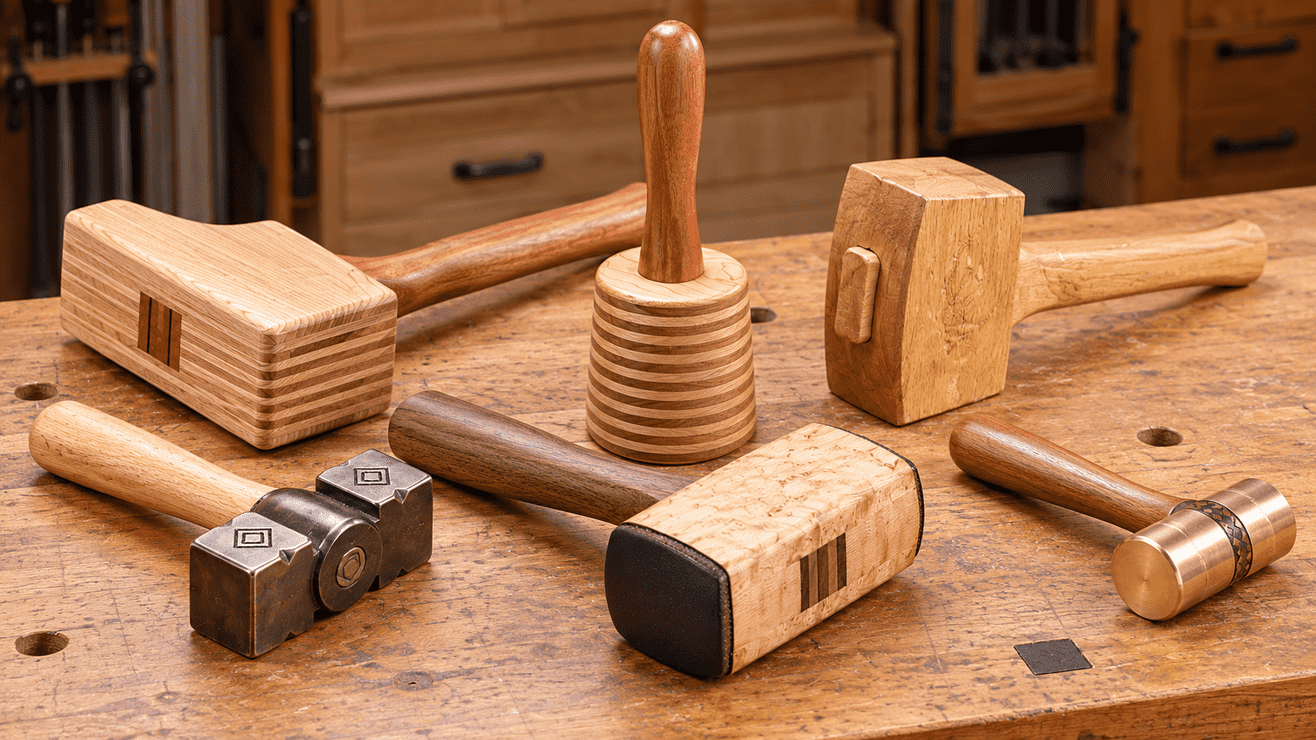
The mallets shown here are all shop-made, and each demonstrates a different approach to striking tools or workpieces without causing unnecessary damage.
What's the Difference Between a Mallet and a Hammer?
Although the terms are sometimes used interchangeably, hammers and mallets generally serve different purposes.
A hammer typically has a hard striking face designed to concentrate force. That's useful for driving nails and performing other tasks that require a focused impact.
A mallet, on the other hand, is generally designed to deliver a more forgiving blow.
The head is commonly made from wood, rubber, plastic, or another material chosen to reduce damage to the object being struck.
For woodworking, mallets fall into two broad categories:
- Joiner's mallets are primarily used to strike workpieces or assist with assembly.
- Carver's mallets are designed to strike tools such as chisels and carving gouges.
Within those categories are several variations worth having in your shop.
1. Joiner's Mallet: The All-Purpose Woodworking Mallet
Best for: General assembly, seating joints, and light striking tasks
A traditional joiner's mallet is a good all-around choice for the woodworking shop.
Its broad wooden head delivers a solid blow while reducing the chance of damaging the workpiece.

The example shown here features a laminated solid wood head that works well with both hardwoods and softwoods.
A joiner's mallet isn't as specialized as some of the other designs, but that's part of its appeal.
It's the kind of tool you'll reach for when assembling furniture, tapping a joint into position, or performing other general woodworking tasks.
For someone building a collection of hand tools, a simple joiner's mallet is an excellent starting point.
2. Carver's Mallet: Control for Chisels and Gouges
Best for: Wood carving, chisel work, and precise cutting
A carver's mallet is easy to recognize because of its distinctive round head.
Unlike the rectangular head of a traditional joiner's mallet, a carving mallet has a cylindrical striking surface.
This shape allows you to strike the end of a chisel or gouge without worrying as much about the orientation of the mallet head.
It's particularly useful for carving, where you're constantly changing the position and angle of the tool.
Control the Strike with Your Grip
One of the biggest advantages of a carver's mallet is the control it provides.
For light, precise cuts, move your grip higher on the handle.
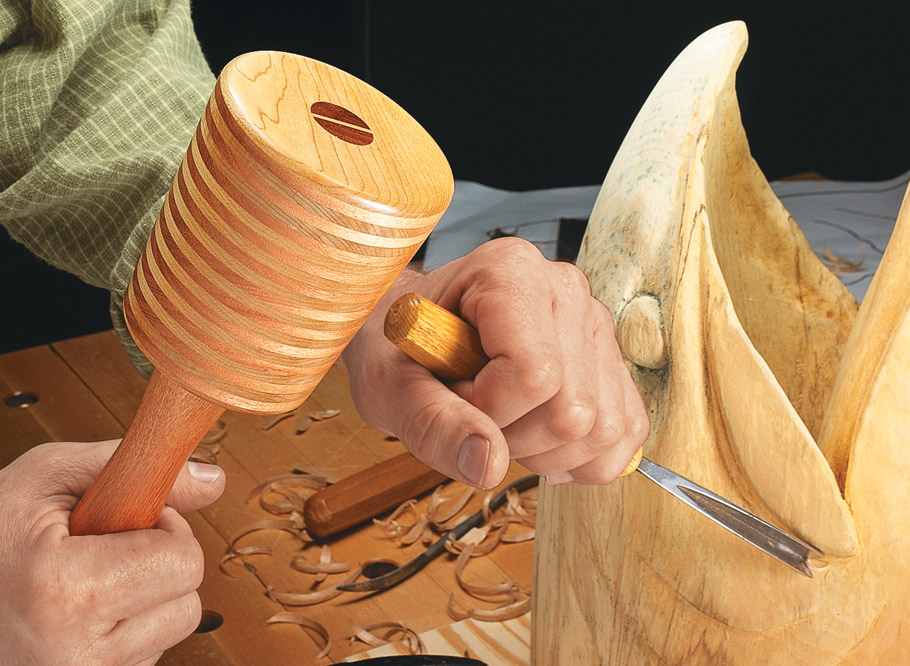
This shortens the effective swing and makes it easier to deliver gentle taps.
When you need more force, move your hand lower on the handle.
The longer swing provides additional momentum while the rounded head helps deliver the blow to the tool.
Choosing the Right Carving Mallet
Most traditional carving mallets are turned from a single piece of wood.
Turning produces the cylindrical head and comfortable handle shape in one operation.
Wood is an effective material because it provides a firm but relatively forgiving striking surface against the handles of chisels and carving gouges.
Commercial carving mallets may also use urethane or plastic heads.
Some carving mallets have slightly tapered heads. This can help align the striking surface with the tool during a natural wrist motion, although the taper isn't essential for every woodworker.
The most important considerations are weight and comfort.
A carving mallet should be light enough to use for extended periods but heavy enough to make clean cuts without excessive effort.
3. Cabinetmaker's Mallet: A Classic for Furniture Assembly
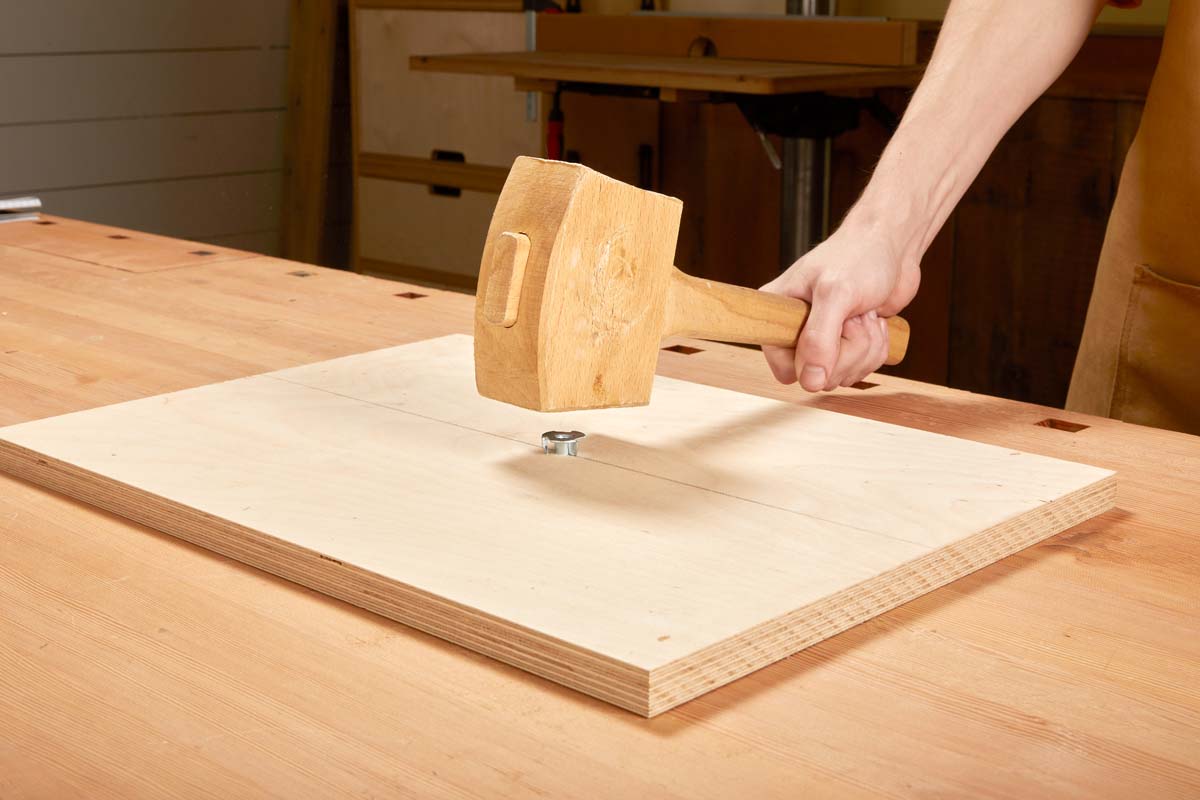
Best for: Cabinet joinery, dowels, T-nuts, and furniture assembly
A cabinetmaker's mallet is a specialized form of joiner's mallet.
It typically has a rectangular wooden head mounted on a handle, with broad striking faces that spread the impact over a larger area.
This makes it useful for seating joinery and driving hardware without concentrating all the force in a small area.
Why Are Cabinetmaker's Mallet Faces Angled?
One of the distinctive features of a cabinetmaker's mallet is the angle of its striking faces.
Rather than being perfectly parallel to the handle, the faces are often angled slightly.
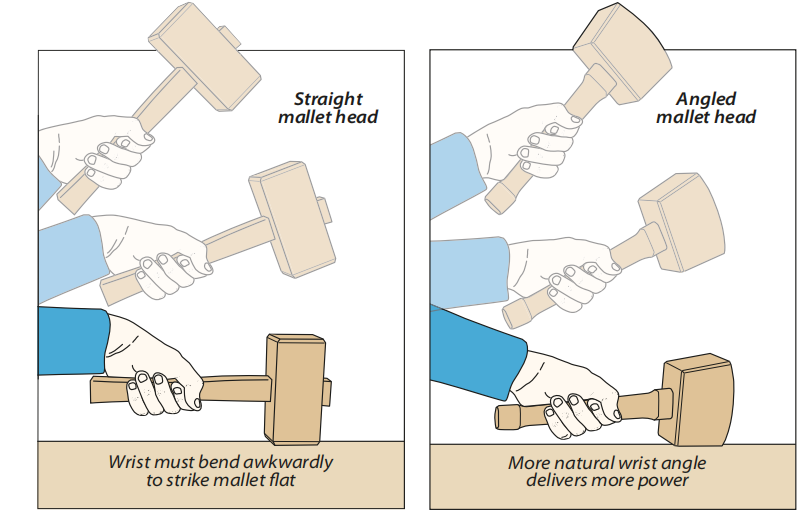
This design accommodates the natural arc of your swing.
When you strike a workpiece, your wrist is typically rotated slightly toward you. The angled face helps the mallet make more complete contact without requiring an awkward wrist position.
The angle commonly falls between 5° and 10°.
It may not look like much, but it can make a noticeable difference when you're driving a series of dowels or assembling furniture joints.
How the Mallet Head Is Attached
Cabinetmaker's mallets commonly use a tapered handle or a wedged connection to secure the head.
With a tapered handle, the wider upper portion prevents the head from sliding off during use.
Alternatively, wedges driven into the handle can expand it inside the head.
Both methods create a secure connection that holds up well to repeated striking.
For furniture assembly and general joinery, a cabinetmaker's mallet is one of the most useful traditional designs.
4. Deadblow Mallet: More Force with Less Rebound
Best for: Seating stubborn joints and heavier assembly work
Sometimes a light tap isn't enough.
When you need more striking force, a deadblow mallet can be a better choice.
A deadblow mallet typically has a weighted head and a longer handle that provides additional leverage.
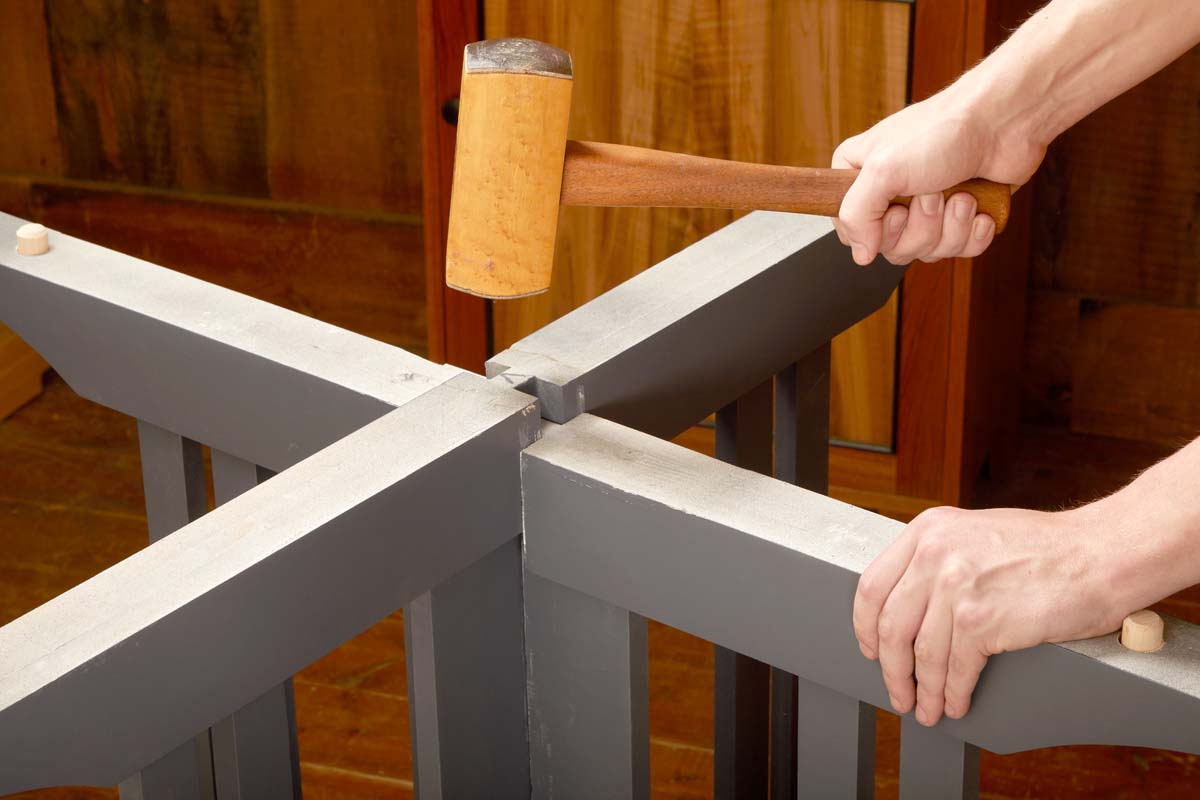
The added weight helps deliver a powerful blow without requiring an excessively forceful swing.
What Makes a Deadblow Mallet Different?
Many deadblow designs contain loose internal weights that shift during impact, reducing rebound.
In shop-made versions, birdshot or another dense material may be used inside the head.
Commercial versions often use a durable plastic body with internal weighting.
The striking faces also deserve attention.
Because deadblow mallets can deliver considerable force, a hard striking surface may dent a wooden workpiece.
Leather is a useful choice for shop-made striking faces because it helps cushion the blow.
Some designs use flat leather pads, while others use tightly rolled leather positioned so the edges strike the workpiece.
A deadblow mallet is especially handy when seating tight-fitting joints or moving stubborn components into position.
However, the added force doesn't eliminate the risk of damaging a workpiece. Even a padded face can leave a dent if you strike too hard.
5. Brass Mallet: A Small Tool for Precise Adjustments
Best for: Adjusting plane irons, metal components, and shop machinery
A brass mallet fills a different role from the wooden mallets discussed above.
Its head is made from brass, a relatively soft metal compared with steel.
That makes it useful for striking steel components when you want to reduce the risk of damaging them.
One common application is adjusting the iron of a hand plane.
The brass head delivers a precise tap, and its weight provides enough force for small adjustments.
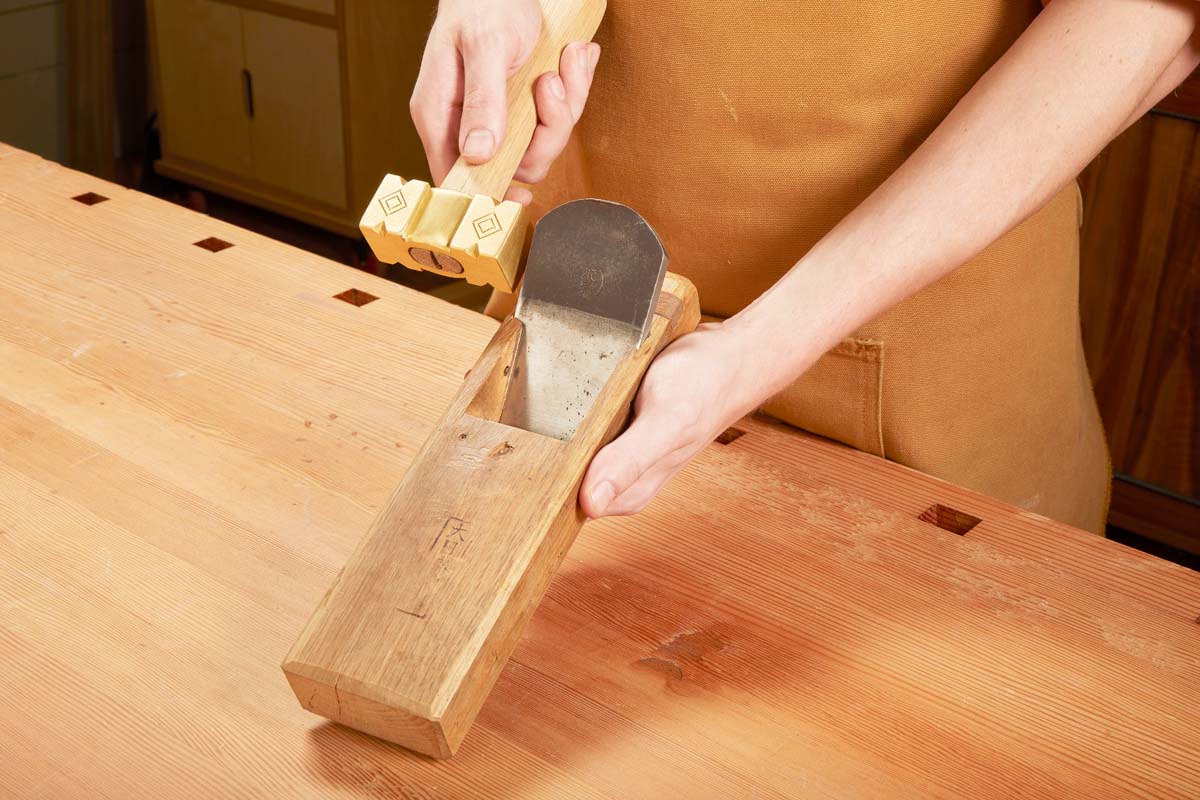
Because brass is relatively dense, a compact mallet can deliver a surprisingly substantial blow.
That makes it useful when working in tight spaces where a full-size wooden mallet would be awkward.
A brass mallet isn't intended for striking finished wood surfaces, but it's a handy addition to a collection of woodworking hand tools.
Which Woodworking Mallet Should You Choose?
The best mallet depends on the work you do most often.
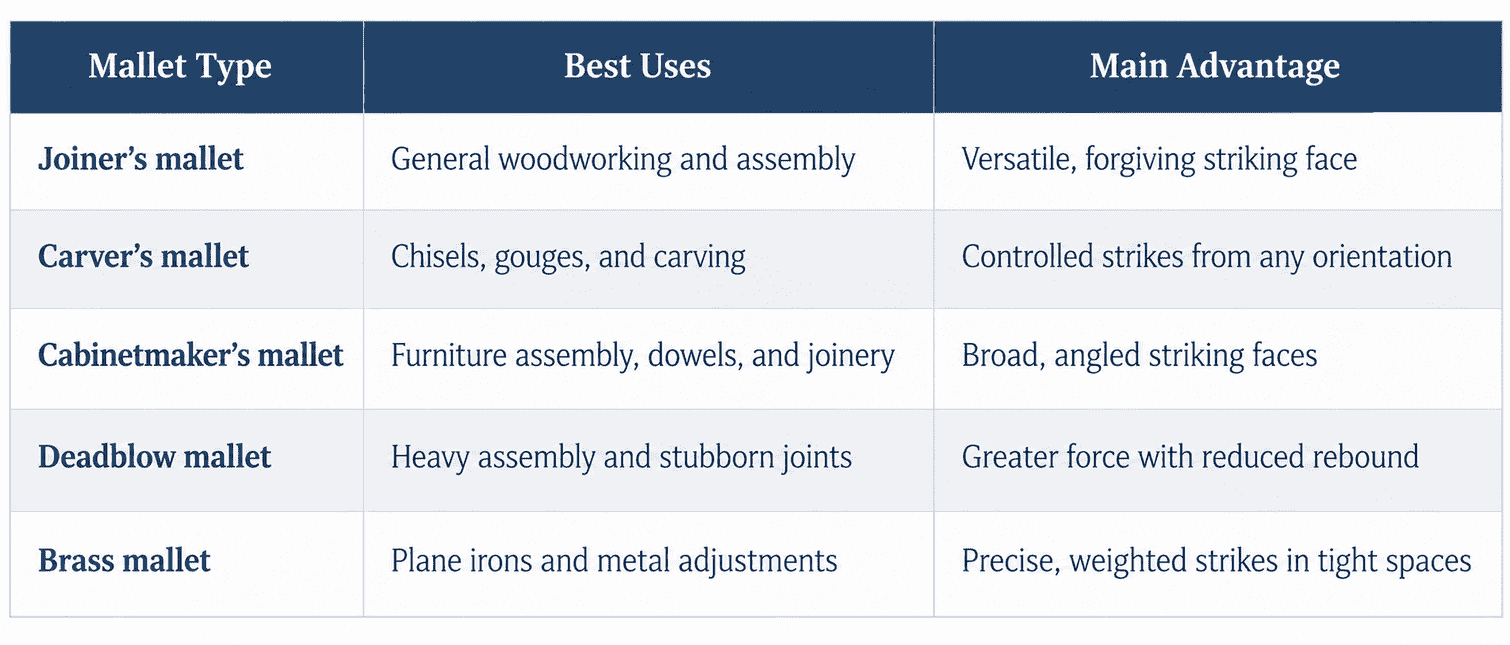
For most woodworkers, a joiner's or cabinetmaker's mallet will handle the majority of everyday assembly tasks.
If you regularly work with chisels and carving gouges, a carver's mallet is worth adding.
A deadblow mallet is helpful for heavier assembly, while a small brass mallet is useful for tuning hand tools and machinery.
Build Your Own Woodworking Mallet
One of the appealing things about mallets is that they're excellent shop-made projects.
Most designs require only a small amount of material, and building one gives you an opportunity to customize the weight, handle shape, and striking surfaces to suit your preferences.
You can make a traditional cabinetmaker's mallet from hardwood, turn a carving mallet on the lathe, or build a laminated head from plywood.
Whichever design you choose, pay attention to how the mallet feels in your hand.
The right balance of weight, shape, and comfort can make a simple tool one of the most frequently used accessories in your shop.
Turned Mallets: Build a Joiner's Mallet and Carver's Mallet
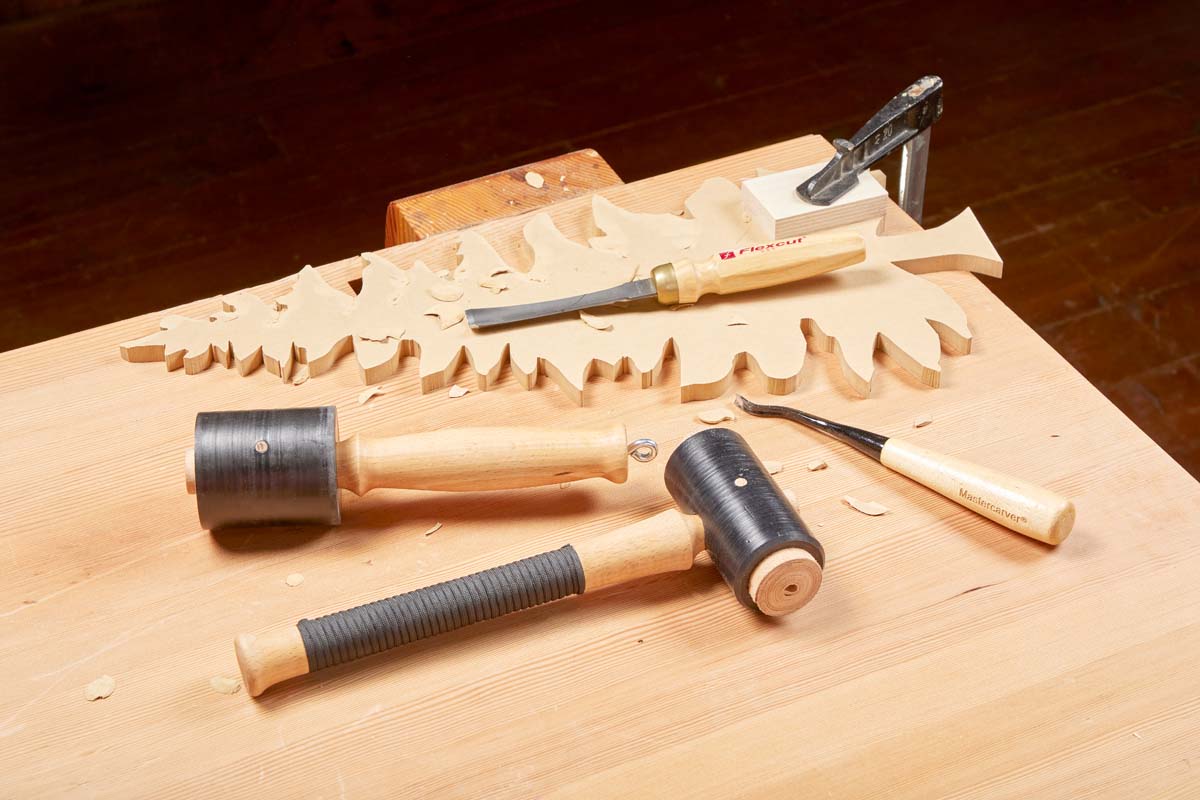
Why buy a mallet when you can make one that's built to last? These two shop-made mallets feature turned beech handles, durable UHMW plastic heads, and weighted construction for the perfect balance of power and control. From assembling furniture to precision chisel work, these mallets are designed to serve you for decades.
BUILD YOUR OWN WOODWORKING MALLETS → Build Two Durable Mallets for Your Woodworking Shop


