


Two Easy Ways to Prevent Planer Snipe
A thickness planer is one of the most useful machines for preparing lumber. It quickly brings boards to a consistent thickness and leaves them ready for final sizing and joinery.
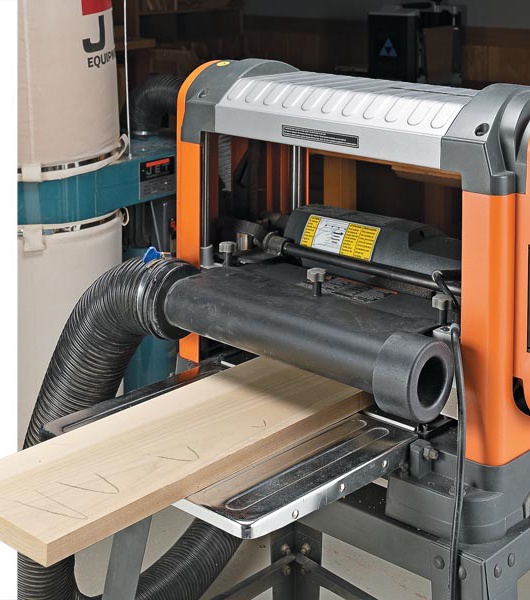
But even a well-adjusted planer can leave an unwanted surprise — a shallow dip near the end of a board. This common problem is called planer snipe.
Fortunately, a couple of simple techniques can help reduce snipe and leave you with smoother, more consistent workpieces.
What Causes Planer Snipe?
Planer snipe is a slightly deeper cut that appears near one or both ends of a board.
It often occurs when the workpiece transitions between the planer's infeed and outfeed rollers. As the pressure on the board changes, the workpiece can shift slightly relative to the cutterhead, resulting in a deeper cut.
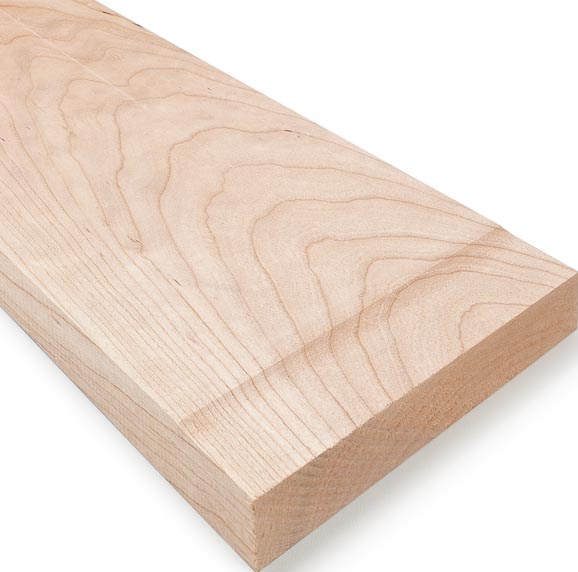
The problem is especially noticeable when you're trying to bring parts to their final thickness.
Before adjusting the planer itself, try these two simple techniques.
Tip 1: Feed Boards End to End
One of the easiest ways to reduce planer snipe is to feed several boards through the planer in a continuous sequence.
Instead of waiting for one board to exit completely before starting the next, feed the next board directly behind it, keeping the ends close together.
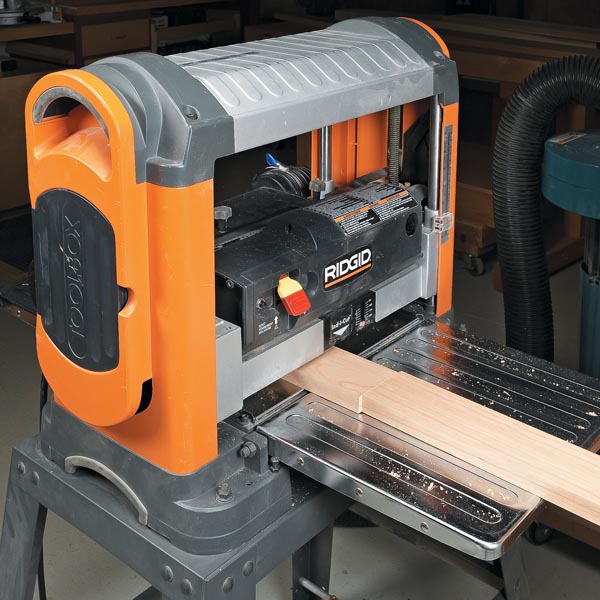
This helps simulate one long workpiece passing through the planer.
By minimizing the gap between boards, you can reduce the changes in roller pressure that contribute to snipe.
This technique is especially handy when thicknessing several pieces of lumber for the same project.
Woodsmith Tip: Keep the boards aligned and feed them at the rate controlled by the planer's rollers. Don't force one board into another or reach into the machine. Follow your planer's instructions for minimum stock length and feeding procedures.
Tip 2: Support the Board as It Exits
Another way to minimize snipe is to keep the workpiece properly supported as it passes through the planer.
As a long board exits the machine, its unsupported weight can cause the end to drop. This may allow the portion still beneath the cutterhead to shift slightly.
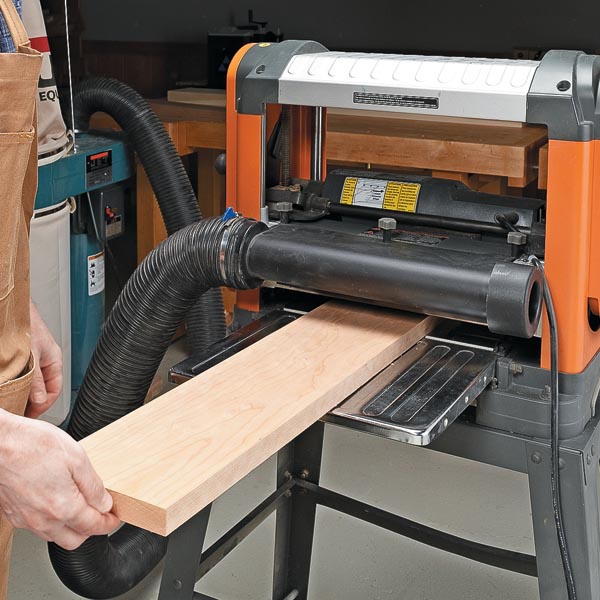
To counter this, gently support the outfeed end of the board, applying a slight upward lift to help keep the portion inside the planer in firm contact with the bed.
The goal isn't to force the board upward. You simply want to prevent its weight from changing how it rides through the machine.
For longer or heavier workpieces, an outfeed support or roller stand adjusted to the proper height can also help.
Getting Better Results from Your Thickness Planer
These two techniques won't necessarily eliminate every trace of snipe, but they can make a noticeable difference.
If snipe continues to be a problem, check the planer's infeed and outfeed support, bed cleanliness, and roller adjustments according to the manufacturer's instructions.
And whenever possible, leave a little extra length on your boards during initial milling. That gives you the option of trimming away any remaining snipe before cutting parts to their final dimensions.
A little attention to how you feed and support lumber can save time, reduce waste, and help you get better results from your thickness planer.
5 Essential Planer Tips for Better Woodworking
From flattening troublesome boards to improving your planer's versatility, a few practical techniques can make a big difference in the shop. Explore five useful planer tips that help you work more accurately and get better results from your lumber.
EXPLORE 5 ESSENTIAL PLANER TIPS → Get More from Your Thickness Planer


