


Sometimes, the simplest woodworking tricks can save you the most frustration. Whether you're trying to install a screw in a hard-to-reach spot, find the right drill bit for a dowel, or sand a tight curve, a clever solution can make the job much easier.
These three quick woodworking tips use everyday supplies and tools you probably already have in your shop. Give them a try the next time you run into one of these common challenges.
Sticky Screws: Hold a Screw on Your Driver Tip
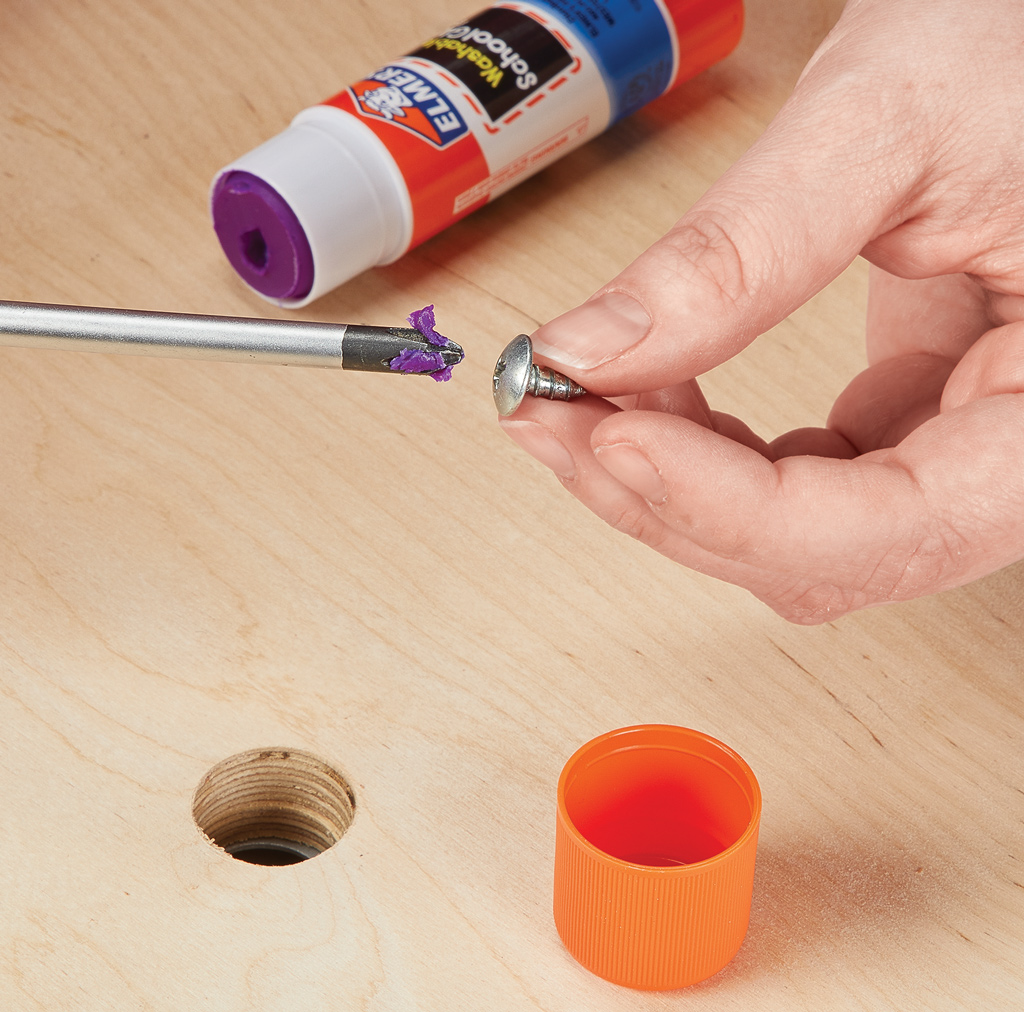
Installing screws in tight spaces can be frustrating, especially when you can't hold the screw with your fingers. This often happens when installing hardware such as a lazy Susan bearing, drawer slides, or cabinet fittings.
Here's a simple trick I use: Apply a small dab of glue from a glue stick to the tip of your screwdriver. The glue provides just enough tack to hold the screw in place while you position it.
Once the screw is started, the driver releases easily. There's no need to fumble with the screw or try to hold it in place with your fingertips.
It's a handy solution when a magnetic screwdriver isn't available or when you're working with nonmagnetic screws.
Sizing Dowels: Find the Right Drill Bit
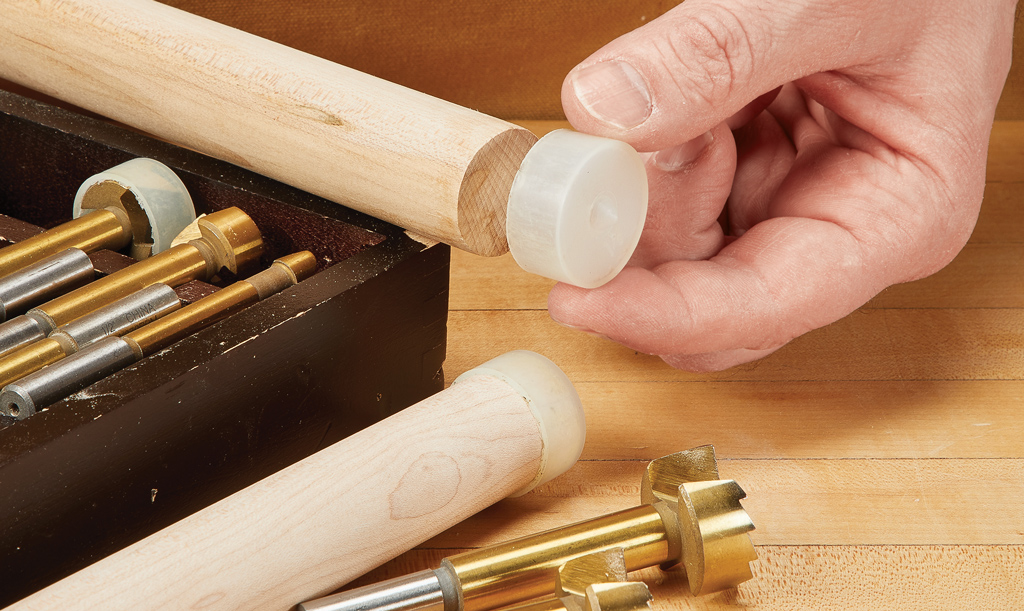
Finding the correct drill bit for a wooden dowel isn't always as simple as checking the size printed on the package. Dowels can vary slightly in diameter, and choosing a bit that's too large or too small can affect the fit of your joint.
Harold Kimple of Solon, IA, uses a quick trick to match a dowel to the correct drill bit.
Remove the protective cap from a Forstner bit and slip the cap over the end of the dowel. When you find a cap that fits the dowel properly, you've identified a matching bit size.
It's a simple way to check the fit without reaching for calipers or drilling a series of test holes.
For the most accurate results, especially when making dowel joints, drill a test hole in scrap wood before working on your project.
Profile Sander: Sand Tight Curves with a Drill Bit
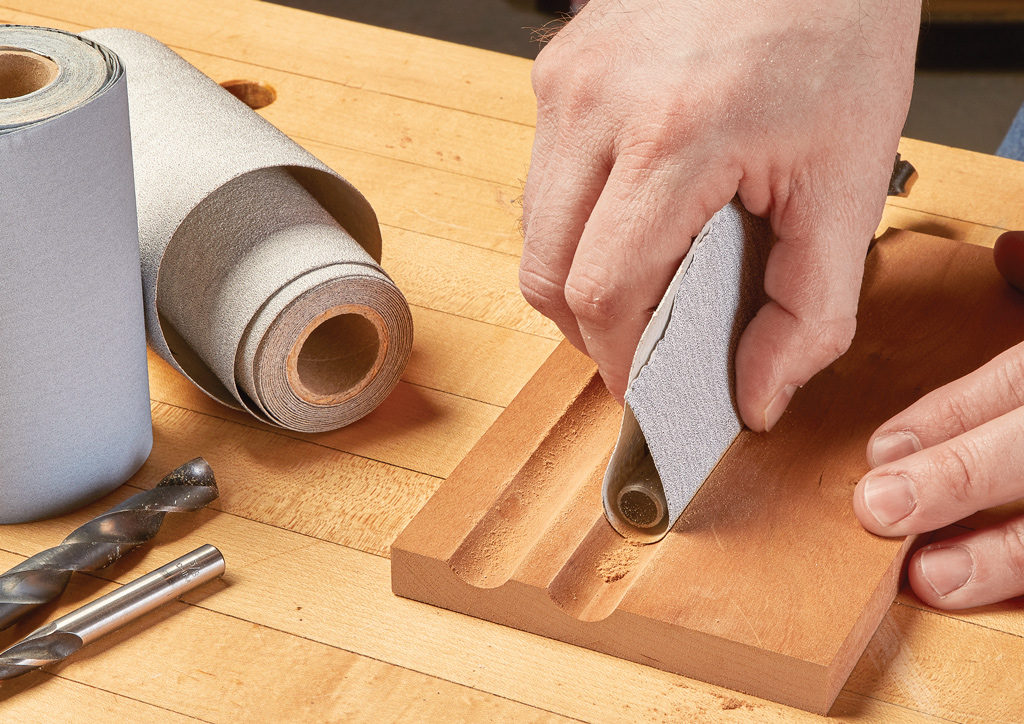
Sanding small coves and tight inside curves can be challenging. A flat sanding block won't reach into the profile, and sanding by hand can round over the edges.
Becky Kralicek of Bloomington, MN, came up with a simple solution: Use a drill bit as a miniature sanding block.
Choose a drill bit with a diameter that closely matches the radius of the curve. Wrap a small piece of sandpaper around the bit's smooth shank, then use it to sand the profile by hand.
Because drill bits come in a wide range of diameters, it's easy to find one that fits the curve you're working on.
The rigid shank supports the sandpaper, helping you maintain the shape of the cove while smoothing the surface.
This trick works especially well for small decorative profiles, routed coves, and other tight areas where a conventional sanding block won't fit.
Simple Woodworking Tricks That Make a Difference
You don't always need a specialized tool to solve a workshop problem. Sometimes, a glue stick, a Forstner bit cap, or an ordinary drill bit is all it takes.
These quick woodworking tips are easy to try, require little or no additional expense, and can save time on your next project.
Keep them in mind the next time you're installing hardware, making dowel joints, or sanding a tricky profile.


