


The best woodworking shop tips often solve small frustrations that come up again and again. A paint marker, silicone mold, piece of rubber tubing, or a few strategically drilled holes can make tools and supplies easier to use and organize.
These four reader-submitted Woodsmith tips offer simple solutions for clamps, finishing brushes, pegboard storage, and hardware bins.
1. Mark Clamp Capacity for Quick Reference
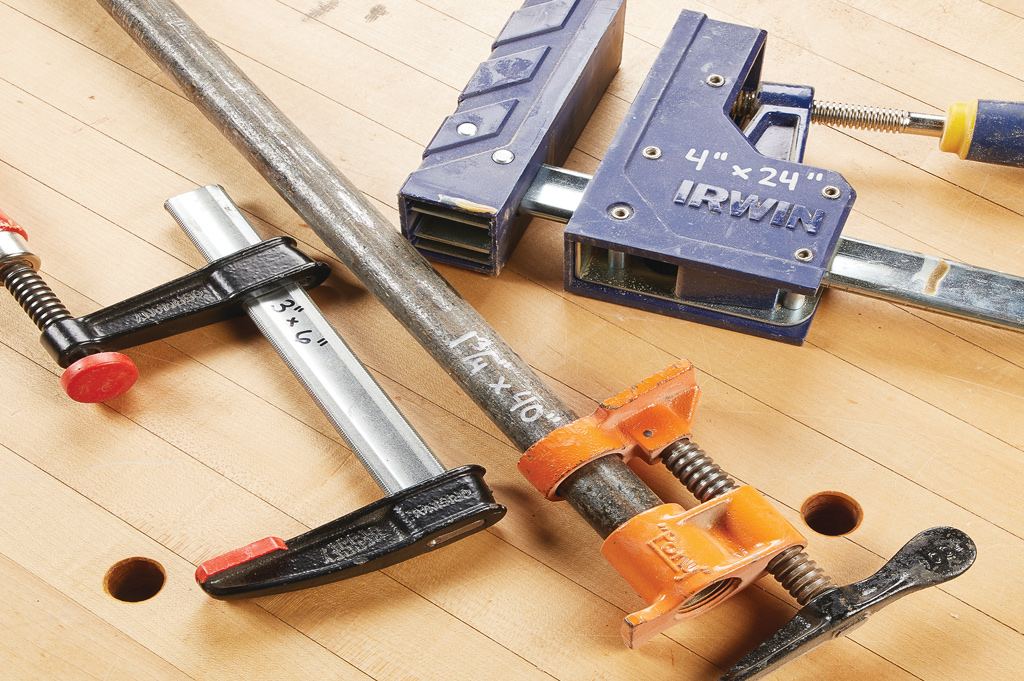 When you have a collection of clamps in different sizes, finding the right one for a glue-up can mean grabbing several before finding one that fits.
Dennis Volz of Denver, Colorado, makes choosing the right clamp easier by labeling each one with its capacity. He uses a highly visible oil-based paint pen to write the maximum jaw opening directly on the clamp.
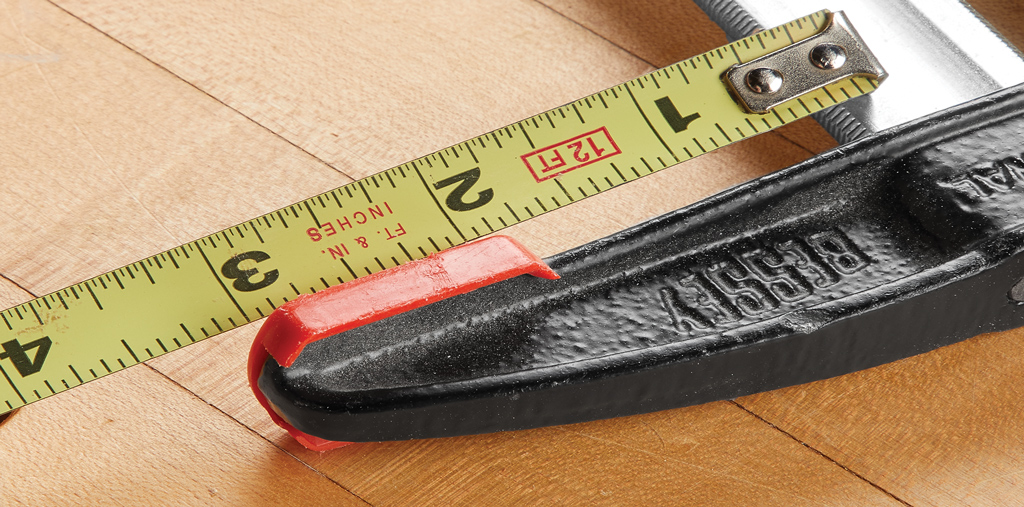
Dennis also marks the maximum throat depth of each clamp. With both dimensions clearly visible, he can quickly determine whether a clamp will reach and open far enough for the job before pulling it from the rack.
Woodsmith Tip: Use a contrasting paint-marker color that's easy to spot at a glance. This can be particularly handy on a crowded clamp rack where similar-looking clamps have different capacities.
Shop tip submitted by Dennis Volz, Denver, Colorado.
2. Keep Foam Finishing Brushes from Drying Out Between Coats
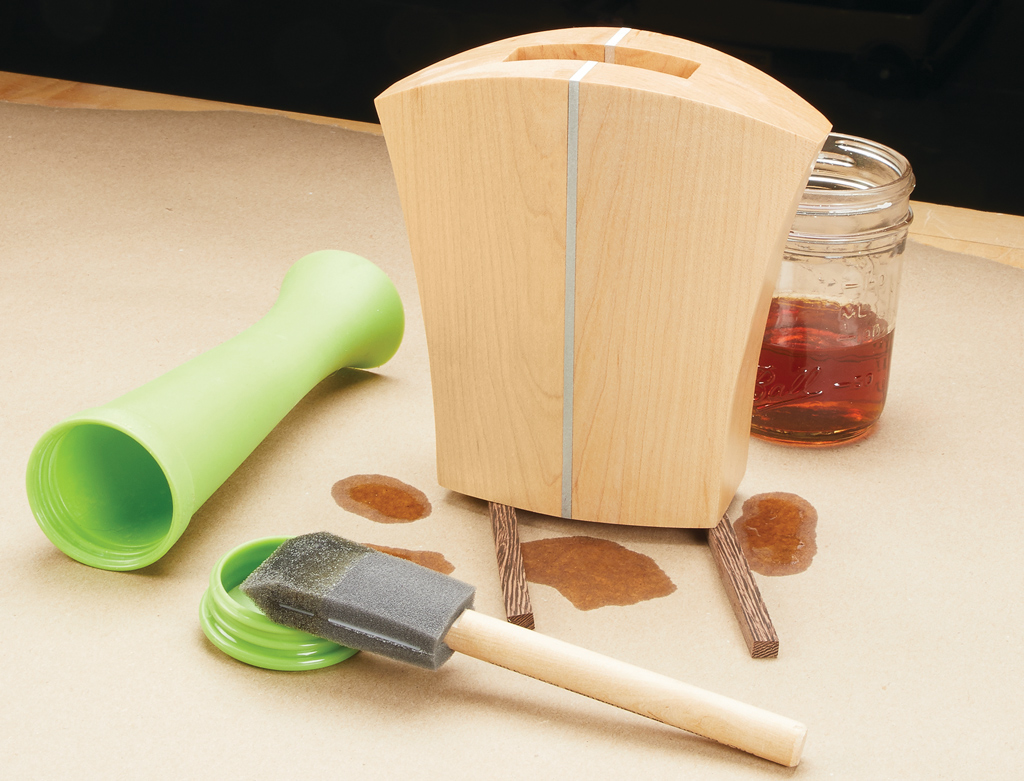
Applying several coats of finish often means waiting for one coat to dry before applying the next. Rather than letting a foam brush dry out between coats, Manus Cline of Grinnell, Iowa, came up with an easy way to temporarily store it.
His solution is a silicone popsicle mold. The long, narrow compartments are a convenient size for holding foam brushes.
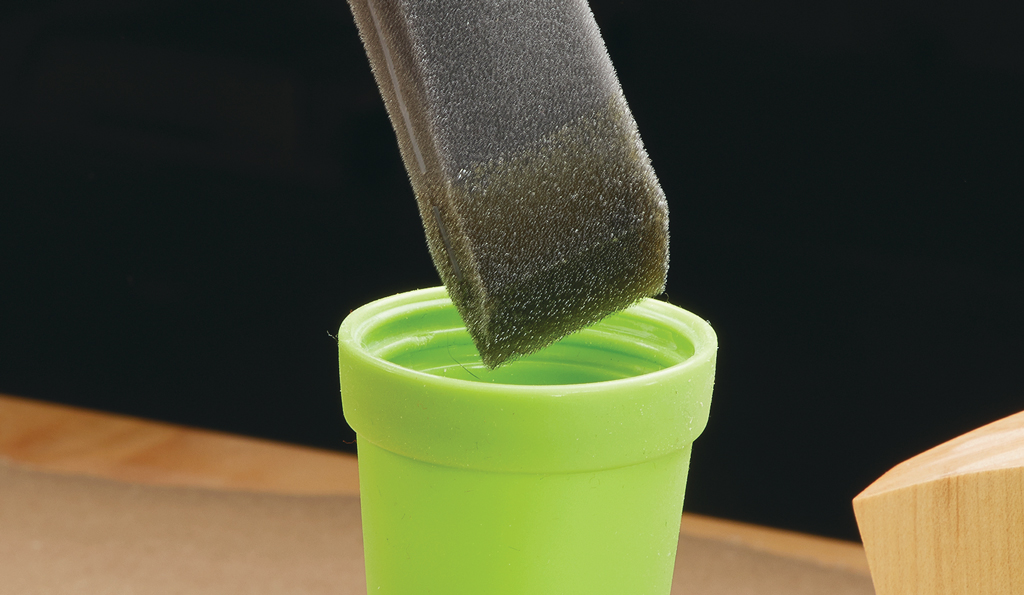
After applying a coat, Manus places the used brush inside the silicone tube and seals it. When it's time for another coat, he removes the brush and puts it back to work.
Woodsmith Tip: This is a temporary between-coats storage method, not a substitute for proper brush cleaning or disposal. Follow the finish manufacturer's directions for application, cleanup, storage, and handling of finish-soaked materials.
Shop tip submitted by Manus Cline, Grinnell, Iowa.
3. Make Loose Pegboard Hooks Fit Better
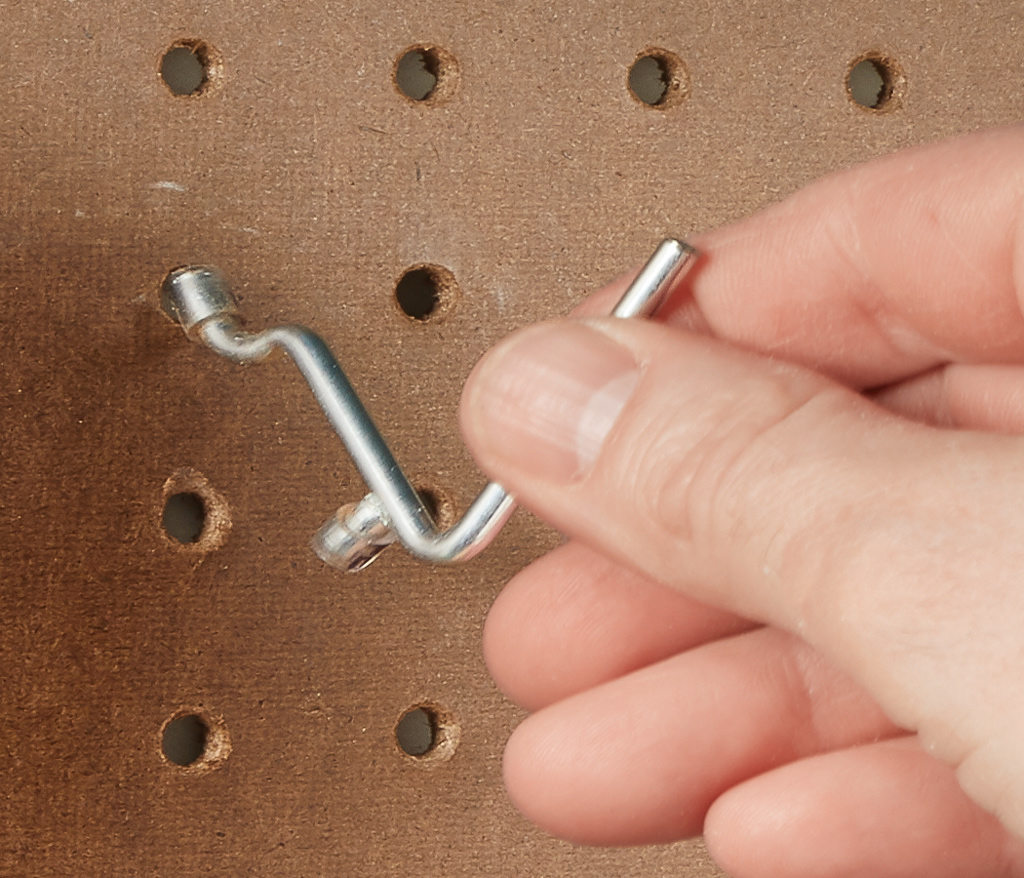
Pegboard is a convenient way to organize frequently used tools, but hooks that fit loosely in the holes can lift out or move around when you grab a tool.
Peter Geschwindner of Milton, Pennsylvania, found a simple fix using a short length of rubber tubing.
He slips the tubing over the back of the pegboard hook. The added thickness helps the hook fit more securely in an oversized pegboard hole.
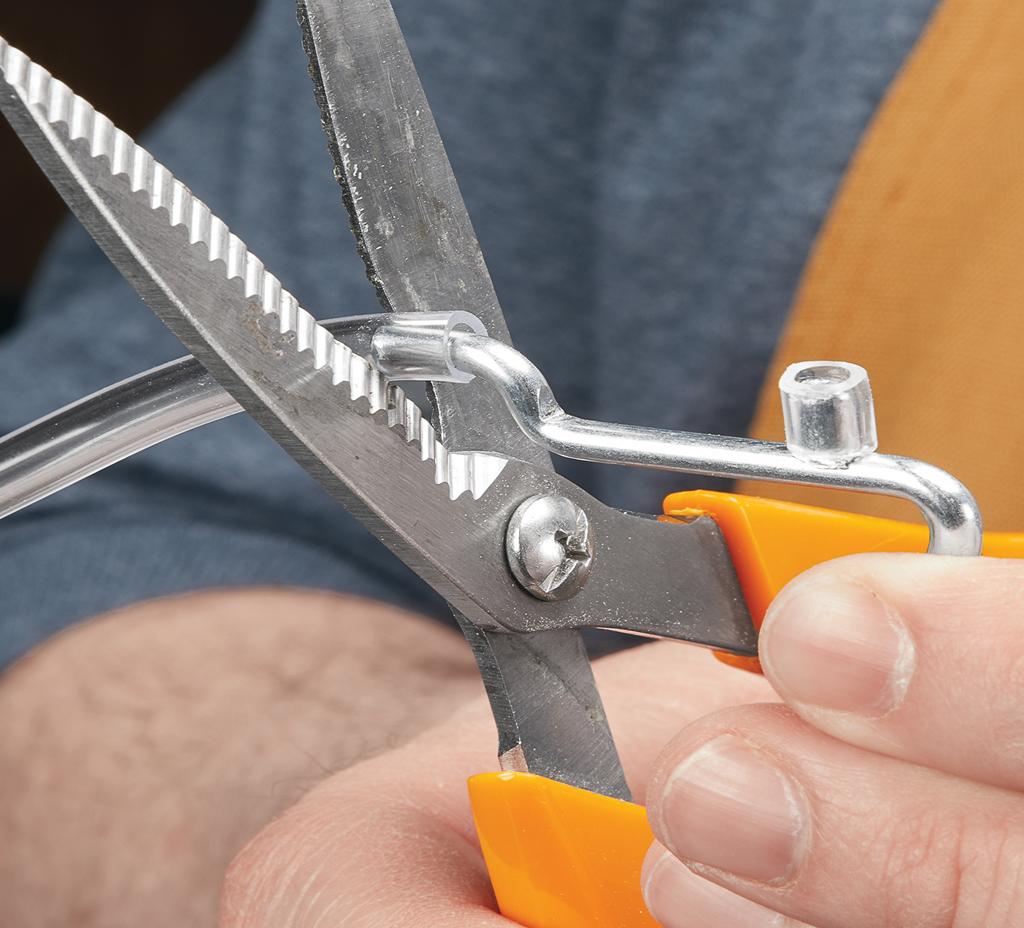
It's an inexpensive way to get a better fit from pegboard hooks you already have rather than replacing them.
Shop tip submitted by Peter Geschwindner, Milton, Pennsylvania.
4. Keep Sawdust Out of Hardware Bins
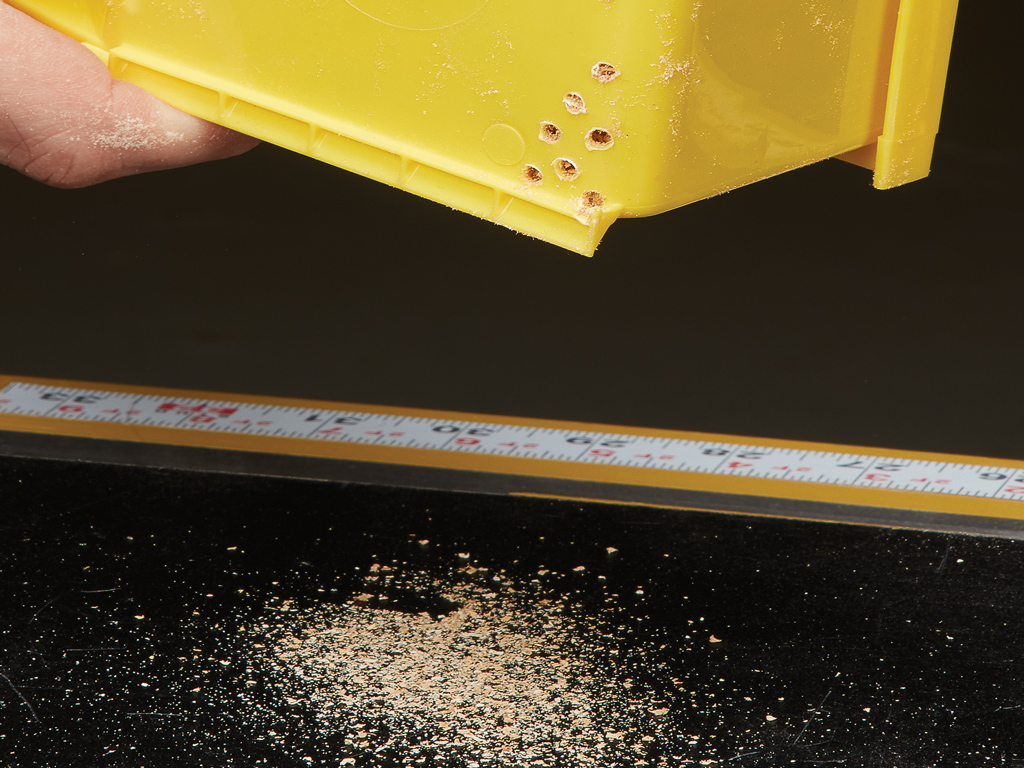
Open hardware bins make screws, nuts, bolts, and other small parts easy to reach. Unfortunately, they're also great at collecting sawdust.
Henry Wittmer of Runnells, Iowa, solves the problem by drilling a series of small holes in the bottom of his hardware bins.
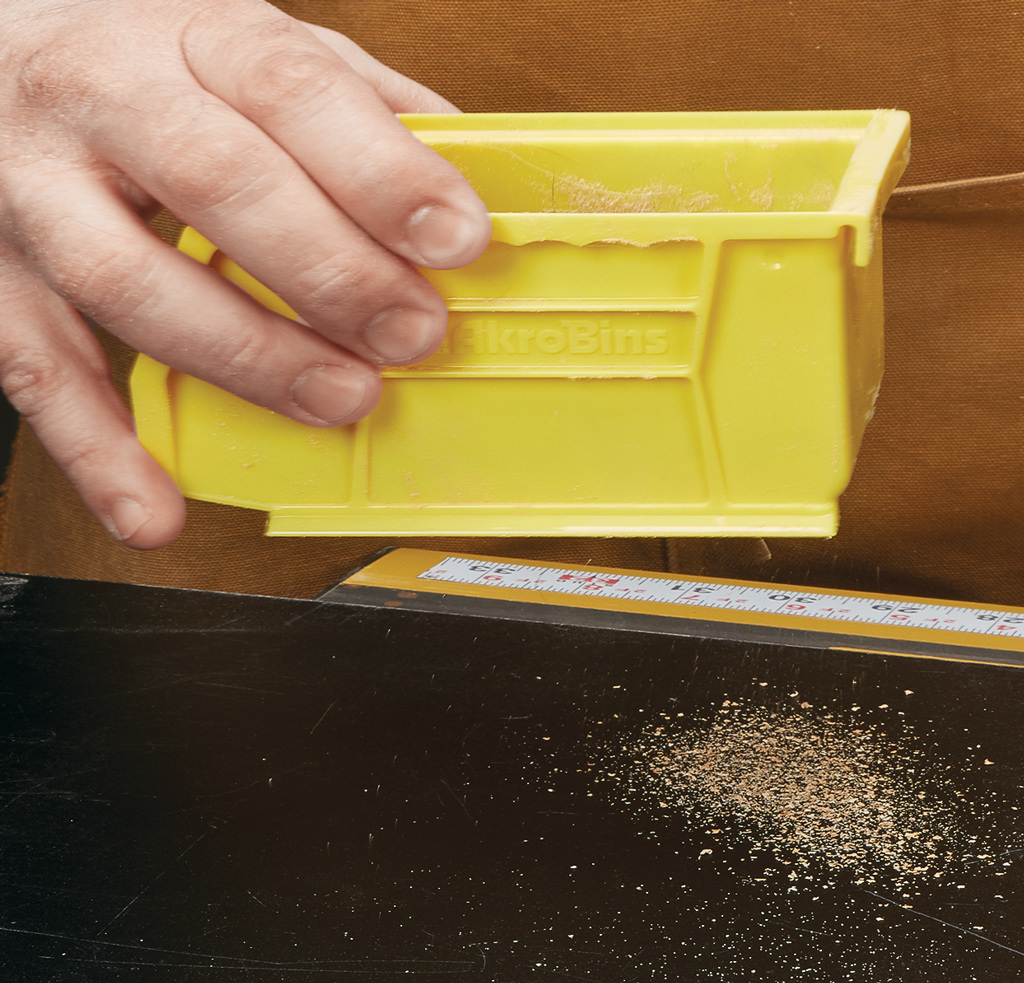
When dust collects in a bin, Henry simply holds it over a trash can and gives it a shake. The fine sawdust falls through the holes while the larger hardware stays behind.
Woodsmith Tip: Size the holes according to the hardware stored in the bin. They need to be small enough that screws, washers, nuts, and other parts can't fall through along with the sawdust.
Shop tip submitted by Henry Wittmer, Runnells, Iowa.
Simple Ideas for a Better-Organized Woodworking Shop
None of these workshop improvements requires a complicated jig or a major investment. Clearly marking clamp capacities makes choosing a clamp faster, a silicone mold provides temporary storage for finishing brushes, rubber tubing helps secure loose pegboard hooks, and a few small holes make dusty hardware bins easier to clean.
They're small changes, but in a busy woodworking shop, eliminating these little frustrations can make tools and supplies easier to find and use.


