


When I first built this workbench years ago from the original ShopNotes Magazine plans, I needed something portable, sturdy, and easy to store. It checked all those boxes, and it still does today. But after years of using it, I realized the real potential wasn't just in the bench itself—it was in creating accessories that could be added or removed depending on the task at hand.
That's exactly what this final installment is all about.
A Workbench That Adapts to the Way You Work
Every woodworker works a little differently. Some days you're assembling a cabinet. Other days you're hand planing a board, sanding parts, or simply looking for a convenient place to keep tools within reach.
Rather than dedicating separate workstations for every task, I wanted this bench to adapt to whatever project I happened to be working on. The T-track installed in Part 2 provides the foundation, and these new accessories take full advantage of it.

The result is a modular workstation that can change in just a few seconds without sacrificing the portability that made the original bench so useful.
Shop-Made Accessories That Add Real Function
In this video, I build several simple accessories that dramatically increase what the bench can do.
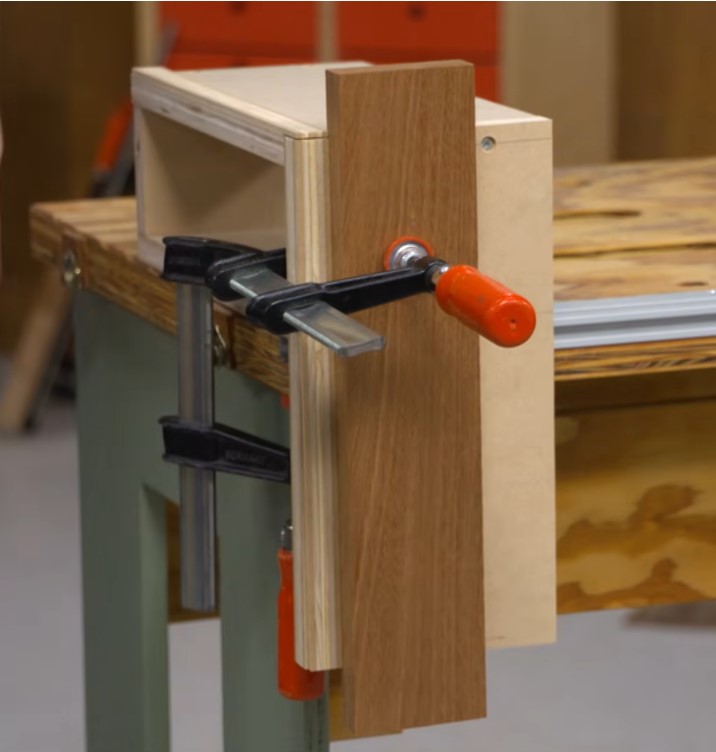
The removable clamping platform creates a larger, more versatile work surface that makes it easier to hold difficult workpieces securely. Whether you're routing, sanding, carving, or assembling parts, having additional clamping options makes every operation safer and more accurate.
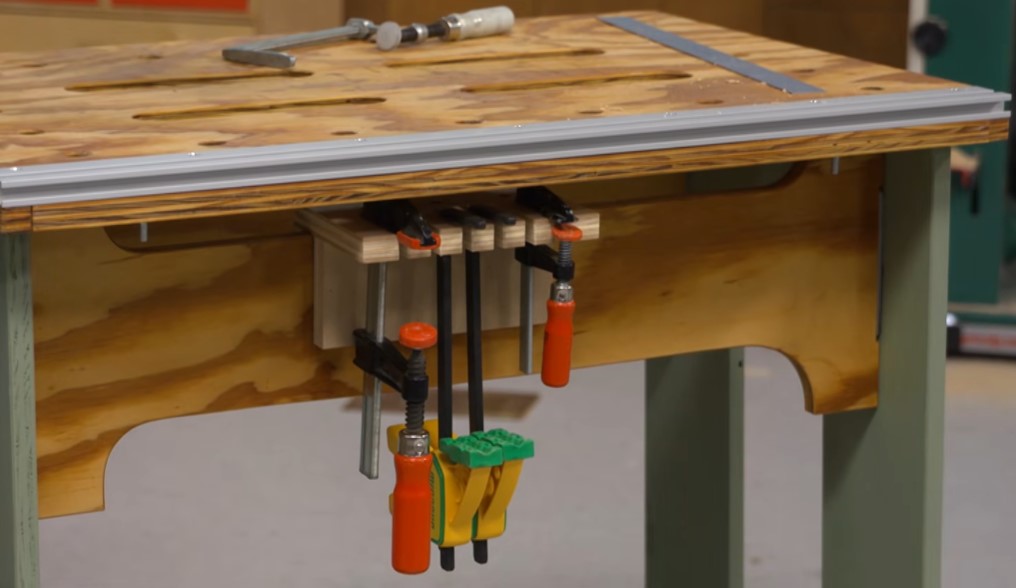
A dedicated clamp rack keeps your most-used clamps organized and within easy reach instead of scattered around the shop. It's one of those simple additions that saves time every time you use the bench.
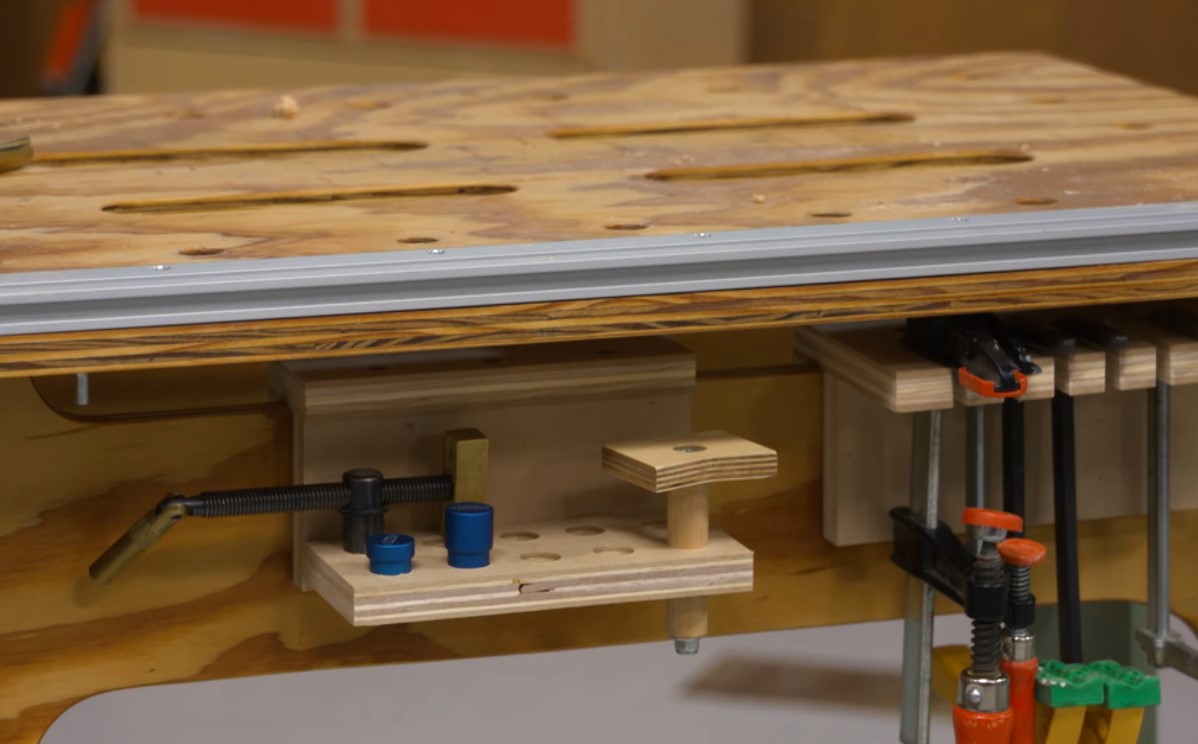
Finally, a removable tool holder gives frequently used hand tools a permanent home while you're working. Instead of constantly setting down your tape measure, combination square, pencils, or chisels, they're always right where you need them.
Small Upgrades, Big Improvements
One of my favorite things about this project is that none of these additions are particularly complicated to build. They use common materials, basic woodworking techniques, and can easily be customized to fit the way you work.
You might decide to add storage trays, a bench hook, a carving platform, or specialized fixtures for your own projects. That's the beauty of a modular workbench. Once you have a solid foundation, you can continue improving it as your woodworking skills and needs evolve.
Instead of replacing your workbench every few years, you simply keep making it better.
Build the Original Knock-Down Workbench
If you haven't built the bench yet, you can start with the original ShopNotes design and add these upgrades whenever you're ready. The knock-down construction makes it an excellent choice for small workshops, garages, basements, apartments, or anyone who needs a sturdy bench that can be disassembled and stored when space is limited.
You can download the original woodworking plans from WoodsmithPlans.com here: Knock-Down Workbench Plans
Complete the Series
If you're just discovering this project, be sure to watch the entire three-part series. Part 1 covers rebuilding and refinishing the original bench, Part 2 focuses on installing aluminum T-track and improving workholding, and this final installment shows how a handful of shop-made accessories can turn a simple portable bench into a versatile woodworking workstation.
The project proves that a great workbench doesn't have to be massive or permanent. With thoughtful upgrades and a little creativity, even a compact knock-down bench can become one of the hardest-working tools in your shop.


