



Our Top Picks
The Best Hammer Of 2024
Best Overall

If you’re looking for a nicely constructed, balanced hammer that can pack a punch despite its size, the YiyiToold Claw Hammer is the tool for you. The head is made from forged hardened steel and it has a good feel and weight.
Pros
- It has a fiberglass handle with shock absorbing design
- The claw is very solidly constructed to get out nails
Cons
- Not great for tiny nails
Key Features
This tool is affordable but don’t let that fool you. It’s sturdy and heavy enough to handle most jobs but small enough that it’s comfortable to carry around, especially if you don’t have a tool kit. The quality is top notch and the grip is solid. With a fiberglass handle that will dampen any vibration resulting from striking, this 13.7 inch, 16 oz hammer is just what you need for any odd job around the house, repairs or even construction work.
Most Durable

The Spec Ops Two-Piece Hammer Set is a dynamic duo. Engineered to deliver unmatched performance, this product is perfect when you need reliability in the face of even the toughest of tasks. This set combines the power of a sledgehammer with the precision of a ball-peen hammer. It offers versatility, allowing it to cater to a wide range of applications. Crafted with durability in mind, these hammers are forged from high-quality materials.
As a result, they can withstand the rigors of heavy-duty use. By ensuring that they can stand up to the demands of both professional trades and DIY enthusiasts alike, this hammer set is suitable for everyone. Designed with the user in mind, it features an ergonomic design that prioritizes comfort and efficiency. The set’s well-balanced weight distribution and comfortable grips contribute to reduced user fatigue during extended use, allowing you to tackle challenging tasks with confidence and precision.
Pros
- Provides impressive versatility
- Durable and high-quality construction
- Ergonomic design for enhanced user comfort
Cons
- Heavier than other options
Runner Up

A quality tool that will last you a lifetime and never disappoint, the Estwing 16 oz hammer is made from one solid piece of steel and it looks and feels incredible. The leather handle cover makes for great grip without compromising aesthetics and the rip claw will come through every time, whether against nails or splitting wood.
Pros
- The feel, fit, and finish on this hammer is exceptional
- It has a good balance and is built to last
Cons
- It makes a zing noise while hammering and that is annoying
Key Features
This is truly a tool you can boast about. From casual wielders to hard core DIY enthusiasts, this is the kind of hammer that even the disinterested amateur will look upon in awe. It’s not only a durable tool, whose thin neck looks elegant but stands unbreakable. This is a conversation starter and a sure fire way to impress your neighbours.
Honorable Mention

Stubby, light weight and rust resistant, this 8 ounce forged alloy steel hammer is perfect for the odd job around the house. Small and handy, it’s portable enough that you won’t have to draw around a more powerful tool for simple jobs. The handle is slip-proof and shock resistant and the built-in magnetic holder will make hammering more convenient.
Pros
- It has an ergonomically designed, anti-vibration handle with a fine carving for fingers
- It has a built-in magnetic nail holder
Cons
- It’s very small
Key Features
This tool will surprise with durability and weight but more than that, it’s designed for the kind of small jobs that so often get neglected. It’s ideal for precision jobs, where small handles are essential and limited maneuverability calls for a tool heavy enough to do the job without much swing. Great value for money!
Contender

A great looking oak handle hammer with a conveniently etched grip, the Edward tools claw hammer is versatile enough to be used for jobs big and small. A 16 ounce beauty that makes you reminisce about toolboxes from yesteryears, the wood handle is solid and the hammer head is made from durable forced carbon steel that will keep you company for a while.
Pros
- It’s a solid oakwood-handled hammer – comes with a contoured anti-vibration design
- It has a more-than-usual curved claw for easy nail removal
Cons
- The head can get a bit loose with the test of time
Key Features
A great tool with a classic feel, the Edward Tools Oak Claw Hammer comes with a lifetime warranty which speaks volumes about the brand’s confidence in their product and their commitment to high standards. Give it a swing!
Also Consider

Another 16 ouncer that delivers the IRWIN fiberglass hammer is sturdy, shock resistant and made to reduce fatigue. From the forged steel head to the ProTouch grip, this hammer is designed to absorb vibration and limit strain by leveraging a handle that uses texture as well as shape to fit seamlessly into your hands. You won’t need to tighten or readjust your grip to maintain precision with this Irwin hammer. The handle really makes for a seamless comfortable experience.
Pros
- It sports a hybrid handle design with a curved base to prevent slippage
- It comes with a smooth face to prevent surface marks
- The rip claw is super effective
Cons
- Not the best for heavy-duty tasks
Key Features
It’s the right size to do whatever job you throw at it and it’s heavy and reassuring to hold. The quality is excellent for the price and it will make a great addition to your tool box.
Also Consider

This hammer is made from high density carbon steel and it’s created to be a faithful companion throughout the years, resisting rust and wear and tear. The convenient size makes it the go to tool for tight corners and inconveniently placed nails. It’s comfortable to carry and it won’t impede your movements if you need to crawl or squeeze yourself to start hammering.
Pros
- It has a soft, non-slip handle with carving for fingers
- It features a magnetic nail starter
- It’s lightweight and easy to carry
Cons
- It’s small in size and that makes it good only for small projects
Key Features
The magnetic nail starter adds another layer of convenience and the non slip handle is shock proof and very grip friendly. Strikingly effective for its size, this is the perfect tool for amateurs who want a sturdy but portable solution or for experienced handymen who are looking for something that works in a compact space.
Also Consider

The Craftsman fiberglass hammer is ambitious, durable and just plain cool to look at. It’s strategically reinforced in places where fiberglass hammers are most vulnerable and built for the long haul. A well made tool from a reputable brand at an affordable price, the Craftsman feels comfortably balanced without compromising on strength. It’s powerful enough to pull nails out of hardwood but precise enough to beat a nail without bruising the work surface.
Pros
- It’s durable – have an overstrike protection
- They’re affordable and get all the jobs done for homeowners
Cons
- The head is a bit soft for heavy-duty, professional use
Key Features
The brand itself is reputable enough to justify a leap of faith, but be advised that while the hammer is well balanced enough to be called light weight, it is still a 16 ounce tool and can therefore be tiring to use after a while.
Best Hammers Buying Guide
Chances are, you’re looking for a regular old nail hammer that can make a nice addition to your DIY collection. However, just to make sure we’ve covered our bases, let’s explore other types of hammers that you might find yourself needing at one time or another.
Types of Hammers
There are quite a few types of hammers, each best suited to specific types of tasks and work.
Nail hammer
The most popular type of hammer and one that everyone would recognize regardless of their level of experience, the nail hammer is used for driving and pulling nails from wood.
Ball peen hammer
The ball peen hammer sports a rounded ball on one end and a flat peen on the other. Ball peen hammers can be as light as 6 ounces or as heavy as 30 ounces. Ball peen hammers are usually used for more brutal work such as striking chisels or making gaskets. Ball peen hammers are most commonly used by machinists and metalworkers.
Finish hammer
This is a lightweight hammer used in hammering nails without damaging the surface of the wood or workpiece. It is primarily used for smaller nails.
Framing hammer
These are very heavy hammers designed to drive large nails into stubborn surfaces. The face of these hammers is textured to ensure that the nail doesn’t slip as it’s hit.
Tack hammer
Also known as an upholstery hammer, this is a delicate tool with one magnetized face used for securing upholstery fabric into furniture.
Mallet
Mallets are also known as soft-face hammers and they have a heavy head made from softer materials such as plastic or rubber. They’re used for striking and shaping delicate surfaces. A rubber mallet is best suited for tasks in which a hard metal hammer would damage the material.
Dead blow hammer
Dead blow hammers are a type of mallet that has further engineering applied to it to minimize the damage it can do. Dead blow hammers are filled with sand or other material in order to absorb part of the impact.
Sledge hammer
A sledge hammer is a heavy-duty monster, meant to be wielded with two hands in demolition. Construction workers and house flippers most commonly use a sledge hammer. A sledge hammer is very powerful and can do a great deal of destruction, perfect for demolition and renovation projects.
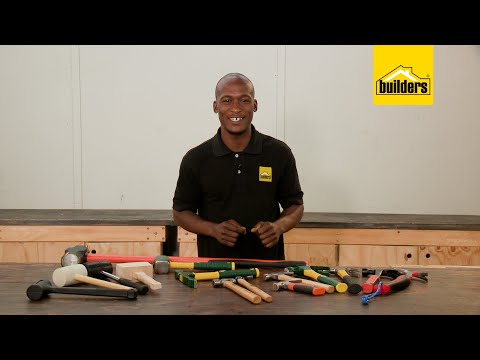
If you want to learn more about the different types of hammers, BuildersSA has a helpful explanation video:
Features to Consider When Buying the Best Hammer
The hammerhead
The hammerhead will be doing most of the high-octane work so its design, grip, and sturdiness are quite important.
First off, the hammerhead needs to be heavy enough. In fact, the head weight is one of the main ways to differentiate between hammers. Nail hammers are usually between 16 and 20 ounces, with the 20-ounce model being used for more heavy-duty jobs. Additionally, you will also find 8-ounce hammers which are great for tighter corners or easier jobs.
The hammer face
The face of the hammer can be smooth or textured. Smooth hammers are less likely to mar the wood or the surface area you are working with while textured face hammers offer more nail stability. There are also brands that advertise a larger face as a feature that helps with nail striking but we’re not yet convinced it makes a significant difference.
The hammer handle
The handle on a hammer can be very important. If you’re mostly doing small projects around the house, then your best bet is a fiberglass or steel handle. While steel handles will likely cost more, they’re more durable. Fiberglass handles are usually lighter and they have a good grip but that comes at the expense of longevity.
Wood handles are also an option and they do tend to have a very pleasing classic look. That said, if you’re going to go in this direction we advise you to select a hammer with a more rigid handle as smooth wood can be very slippery.
The hammer claw
The claw of the hammer is used for pulling out nails and it can be either straight or curved. This is a matter of personal preference, and if you find you work better with a curved claw, most hammers will have that option available. However, rip or straight claw works just as well and it’s the standard.
Anti-vibration hammer handles
Some manufacturers come up with specific handles and steel designs meant to reduce vibration and therefore elbow pain which can happen when you’re using a hammer for extended periods of time.
Nail starter
Nail starter hammers feature powerful magnets that allow the wielder to place the nail exactly where they want it. They’re great for DIY projects where precision is key and they’re also pretty effective at preventing injury.
Curved handles
A new modern design, the curved handle is a relatively recent innovation. While most old-school purists don’t really understand this feature, a lot of enthusiasts feel that a curved handle can improve their grip and balance with a hammer and even eliminate fatigue.
Now that we’ve covered some of the basics let’s get into our top picks for the best nail hammers out there! We’ve covered a wide range of categories with models that vary in size, design, and price. Let’s jump right in!
People Also Asked
What hammer weight is the best?
The best weight for a nail hammer is between 16 and 20 ounces. The 16 ounce hammer can usually handle whatever shop or household task you throw at it while the 20 ounce one will be better for demo work and less convenient to use for home use. Keep in mind though, that while a 20 ounce hammer can do everything a 16 ounce one can, the former will cause fatigue and elbow pain a lot faster.
Why are titanium hammers better?
Titanium hammers are better in certain circumstances and for certain projects because they are lighter and therefore easier to wield than steel hammers. This means that you will be able to hammer a nail with less fatigue and with fewer swings. However, this type of hammer can be quite pricey so you should make sure that you’ll get enough use out of it if you plan on splurging.
What is the best hammer handle material?
It depends on what you’re using the hammer for. In terms of durability, the strongest handle will be made out of steel, preferably from the same piece as the hammer head. However, that will also add some significant weight to the hammer itself making it harder to swing. A handle that is easy to grip and more light weight can sometimes be more suited for some tasks although you probably won’t get as much long term use out of it as with its steel counterpart.


