



If you like dabbling in carpentry, chances are you’ve probably heard the name Japanese saws at least once in your entire woodworking vocation. Japanese hand saws are also known as ‘Nokogiri’ meaning saw. The most prominent feature that separates the Nokogiri from regular, everyday hand saws is the fact that instead of cutting at the push stroke, as most cliché European saws do, these penetrate the material on the pull stroke in lieu. One of the most common reasons buyers tend to opt for these hand saws is primarily the all-around adaptable, thin, and distinctly sharp nature that makes them significantly handy and versatile to work with. So if that’s something that arouses your curiosity, then keep on reading because in this guide we’ll spill the beans on some of the top Japanese saws in 2023 that will have you longing for the next woodshop visit.
Best Japanese Saws of 2023 Reviewed in Detail
Best Overall

The Suizan Japanese handsaw is a classic pull saw that is undoubtedly one of its kind. This unique piece has nine rip cuts and fifteen crosscut teeth per inch that not only allow for efficient softwood cutting but are also palatable with most hardwoods and carpentry. The two opposing blades on this utensil feature both crosscutting and rip-cutting properties, while the simple and modest design makes it the perfect tool for easy-breezy handling. Not to mention the multi-edged feature of this saw that will not only save you time and cabinet space but will also spare tons of money on separate saws. Besides being manufactured with a 0.02-inch thick durable steel material, the Suizan is the number one ryoba style (aka double-blade) saw for maximum accuracy. Additional features of this saw include a vinyl cover for efficient storage and maintenance, along with replaceable blades that can easily be swapped in case of wear-out.
Pros
- Generates straighter cutsl
- Wide-reaching 9.5 inch interchangeable blade
- Low-maintenance saw blade
- Compatible with both hard and softwoods
Cons
- Low handle-grip may cause accidental slips
Runner Up

Not only is the Gyokucho Razorsaw a contemporary innovation with new nifty features, but it is also quite spectacular in terms of pricing. Unlike traditional ryoba-style saws, this Japanese saw has a unique saw handle that is optimized for rotations and tilts that allow the user to place gashes in more discreet and narrow areas. Additionally, the blade teeth have undergone an impulse hardening process that results not only in stronger teeth, but also ensures maximum durability and fends off premature dulling. Moreover, the seven-inch spacious blade length offers more successful cuts, while the overall fifteen-inch design makes this Japanese pull saw the optimal length for smooth and efficient woodworking. To further the bargain, the Gyokucho is also portable enough to comfortably fit inside a tool bag and tag along on all your work calls.
Pros
- Budget-friendly and affordable option
- Compact and portable design
- Handle enables flexible movements
- Impulse-hardened saw blade
Cons
- Handle requires frequent re-tightening
Honorable Mention

Not only is Topman an overall prominent and widely respected brand, but it is also the manufacturer of one of the best high carbon steel-bladed Japanese saws in the woodworking world. Apart from featuring an incredibly flexible six and a quarter-inch blade, the saw also offers a comfortable five and a three-quarter-inch wooden handle that provides a firm grip for optimal control. Moreover, the Topman trim saw blade issues a distinct 0.056-inch sharp edge, while the 2.2-ounce low body weight allows for fruitful sawing and craftsmanship. Similarly, the unique triple-toothed design makes this tool even sweeter by issuing a precise, clean-cut that would otherwise be near impossible to achieve. Needless to say, top man has picked up steam with its innovative yet practical design.
Pros
- Triple-edge tooth design for minimal sawdust
- Flexible high carbon steel blade
- Lightweight and compact frame
- Firm handhold with optimal grip prevents slipping
Cons
- Average blade quality
- Delicate material is prone to snapping
Also Consider

This Japanese pull saw is manufactured by the QiHong brand and is specifically designed to optimize longevity and endurance. What’s fascinating about this saw is that it comes with 18 TPI triple-cut saw teeth that not only enable the user to perform saw cutwork with precision and detail, but also allows for a labor-saving experience when it comes to sawing tough materials like timber and bamboo sticks. Moreover, this ryoba-style pull-saw presents itself as top-quality steel saw with a 10-inch-long blade of around 0.023-inch thickness for optimum precision and accurate results. To add to the bargain, the QiHong saw also offers a blade replacement option while the premium thermal-plastic rubber handles enhance grip friction, allowing for a more secure hold. The phenomenal package wraps up with a 100% money-back guarantee policy, making it the perfect premium option that is both durable and authentic
Pros
- Replaceable saw blades
- Durable and long-lasting design
- 10-inch long premium steel blade
- Ergonomic handles facilitate a better grip
Cons
- Bulky frame does not enable convenient transportation

This 9.5-inch hand saw comprises a set of razor-sharp teeth that undergo several rounds of quenching and burning to capture an elevated level of sharpness. The double-edged feature of this Japanese pull saw encapsulates two saws in one single tool, while the premium SK5 metal ensures a high-grade quality blade to perform the tasks swiftly and effectively. This KY01 weighs just 0.3 pounds, whereas the replaceable blade allows for efficient and trouble-free maintenance using just a wrench and fixing clamp that comes alongside this instrument. A few nifty features of this saw tool include a contemporary beech handle and rattan for proper grip, as well as an exceptional rust-resistance paint coating the entire saw blade to ward off corrosion and decay. To further the offer, Kerye has implemented a two-year after-sale support policy that claims to provide a 100% problem-solving service for its customers.
Pros
- 24 months warranty
- Offers both crosscut and rip-cut services
- Foolproof assembly process
- Anti-rust paint prevents corrosion
Cons
- Teeth dull out overtime
Best Japanese Saws Buying Guide
Why Do You Need a Japanese Saw?
These manually-operated woodworking tools might seem paltry and minor in form and construction, however, they can actually transpire to be pretty resourceful for a number of reasons. Not only are Japanese pull saws incredibly time-saving and efficient in terms of labor and energy, but they also possess the ability to finish a cutting machine’s job in less if not the same amount of time. In addition to the customized Nomi (chisel) and a Kanna (plane), the joint work and inexpensive nature of these saws make them the perfect tools for handcrafting as well as executing small-scale projects. Besides this, owning a top-tier Japanese saw can not only make the woodcutting process much more trouble-free and smooth, but it can also create precise, surgical cuts that would otherwise have been near to impossible to achieve in traditional hand saws. Therefore, investing in a high-quality Japanese saw will not only save you money and labor but will also make your woodworking task significantly more gratifying and trouble-free.
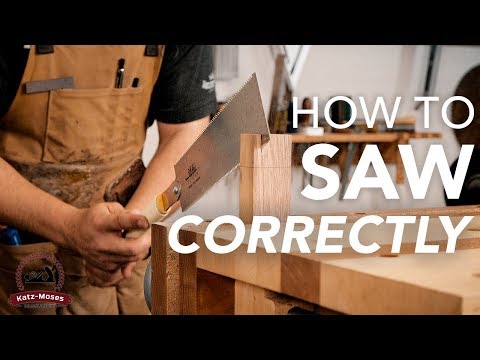
For some useful techniques and tons of tips & tricks on how to get great results with a Japanese pull saw, check video from Jonathan Katz-Moses.
What Are the Different Types of Japanese Saws?
Ryoba
Number one on our list is none other than the signature ryoba-style Japanese hand saw. This traditional design is one of the most commonly found styles in the Japanese saw realm among others. The Japanese word ‘Ryoba’ literally means double-edged, due to the two-faced nature of this woodwork tool. Although the saw cutting teeth are present on both sides of the saw, each performs a unique and individual task. For example, one side is designated for crosscutting, whereas the other side contains teeth that are specifically built for rip-cutting purposes. Apart from this, versions with alternating hardwood and softwood-cutting teeth are also readily available.
Dozuki
The Dozuki blades generally have a thickness of around 0.3 mm and are optimal for precision cuts and fine gashes. These Kataba-style saws feature sturdy, stiff spines that enhance the saws’ ability to create more accurate and detailed cuts. The hallmark of the Dozuki style Japanese pull saws is their ability to place cuts with varying depths, ranging from extremely deep to lighter cuts. This is essentially the most common reason why people rave about this design and are so anchored by it.
Kataba
Contrary to the Ryoba style saw, the Kataba is a single-edged Japanese hand saw with a set of needle-sharp teeth at only one side of the tool. Additionally, this saw also features a thicker blade with no back, unlike the other models. Apart from general woodcutting, Kataba would be your best choice if you want to use the saw for crosscutting and ripping purposes.
Azebiki
The Azebiki has probably the most unique and distinctive design out of the lot. The saw presents a short spade-like blade that is curved and has teeth on both sides, similar to the Rayoba style saw. The primary function of this type of Japanese saw is to start the cutting process in the middle of a panel and fit into more congested spots, courtesy of its petite size.
What To Consider Before Buying a Japanese Saw?
Teeth size
The most common teeth size among Japanese hand saws is 22-27 teeth per inch and are about one inch thick. Larger and lengthier teeth are generally preferred for more aggressive woodwork, whereas smaller teeth are optimal for bouncing at the initial few cuts.
Handle
The grip of your saw handle is especially crucial when it comes to sawing hard materials like wood. If your handle is flimsy or lacks proper grip, then there are increased chances of it slipping out of your hand mid-cut and possibly resulting in an injury. Therefore, it is crucial to invest in a saw with a comfortable grip that’s either wood or plastic-based.
Blade
It is absolutely critical to ensure that you have the correct type of blade that meets your needs. For example, thick blades are optimal for sawing specifically. Likewise, one should also make sure to keep blade replacements on hand in case of any misplacement or accidental snapping.
How To Use a Japanese Saw
The Nokogiri requires most of the same techniques you would apply to a regular European saw. However, there are a few pointers to keep in mind when specifically working with Japanese saws to avoid any potential accidents. For starters, you’ll want to take hold of the saw further down the handle, unlike a regular saw. Also, make sure to initiate the cut from the back-end of the saw, Japanese saws function on the pull stroke instead of the push stroke. Any beginner should always take baby steps and begin to slowly build pressure and momentum as the saw moves further down. This will minimize the chances of any splinters and will also prevent the saw from jamming midway. The Nokogiro should be properly stashed in a dry place where the saw is sheltered from oxidation and potential rust build-up.
PEOPLE ALSO ASKED
What is an Anahiki style saw?
This type of Japanese saw is generally used for cutting seasoned and green woods and wooden logs. The Anahiki saw is commonly found in workplaces where construction workers use it to frame timber.
What is the optimal usage for a curve cutter saw?
This extremely lightweight and flexible saw weighs just 3 pounds and is ideal for creating delicate curves in relatively narrow pieces of wood.
Is it possible to sharpen a Japanese saw?
In simple words, yes, but unless you have jugs full of patience and the master of Labyrinth to guide you, it’s better to replace the blade when you notice signs of dulling.


