

A smooth finish starts with a well-prepared surface. And while sanding is certainly part of the process, surface preparation involves more than sandpaper.
The most useful tool kit combines abrasive tools that gradually refine a surface with cutting tools that can remove glue, machine marks, raised plugs, and other imperfections without unnecessary sanding.
You don't need a huge collection, either. A handful of versatile tools can handle everything from smoothing a large tabletop to cleaning dried glue from a tight inside corner.
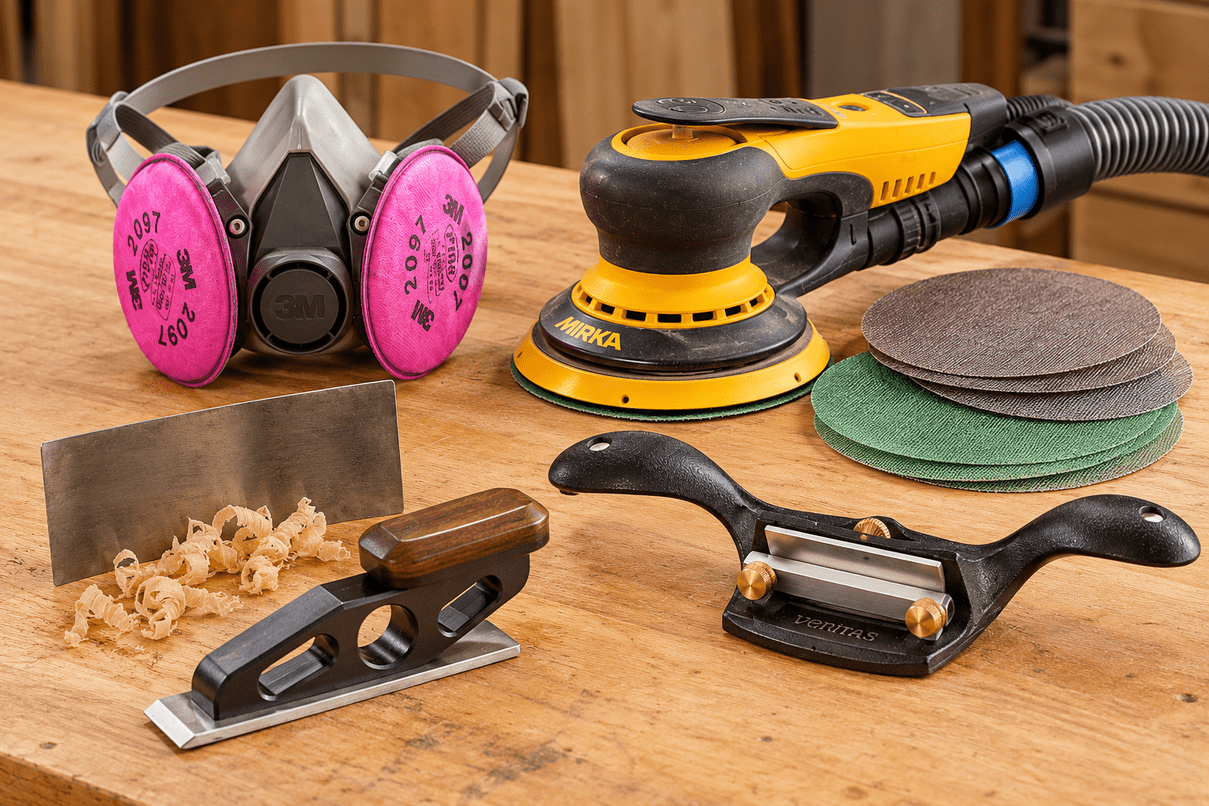
Start with Dust Protection
Before sanding anything, take care of yourself first.
Sanding creates a tremendous amount of fine airborne dust. A comfortable, properly fitting dust mask or respirator makes it much easier to protect your lungs every time you work.
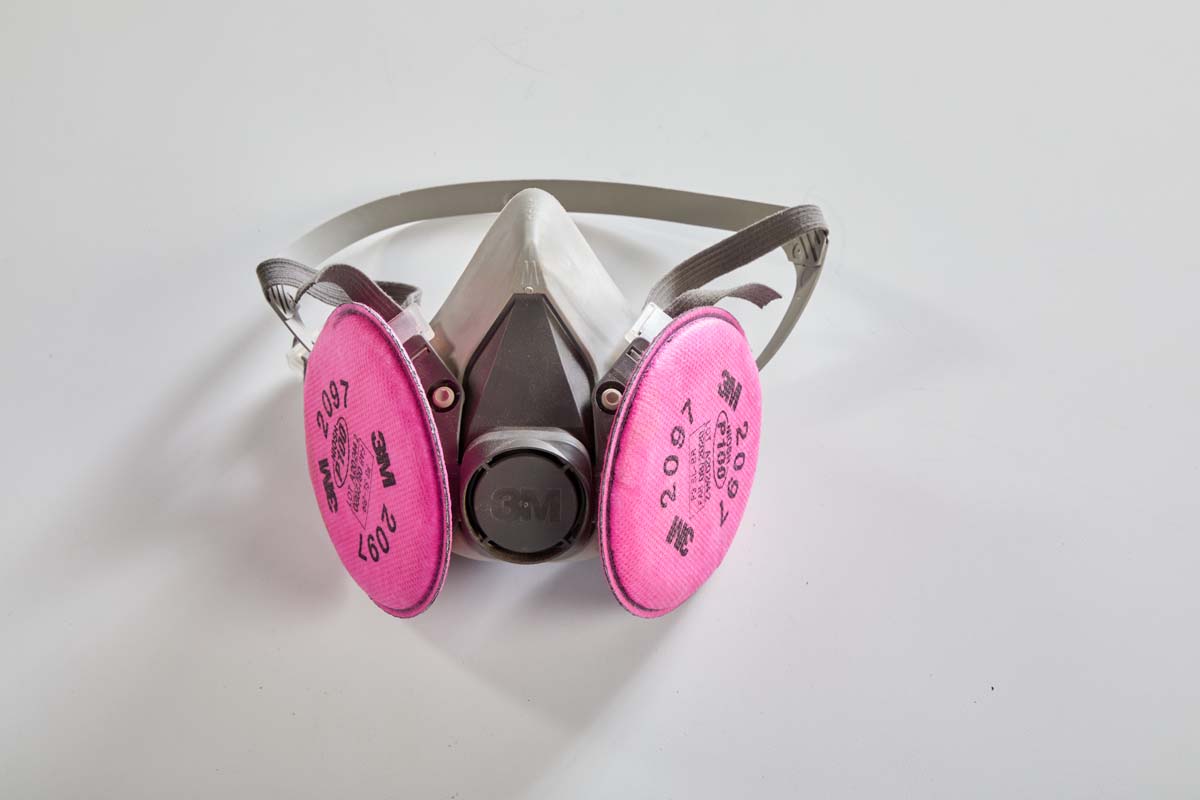
Look for a mask that seals comfortably against your face and has adjustable straps so you can dial in the fit. Comfort matters. The best respiratory protection is the one you'll actually wear.
And remember that personal protection is only one part of controlling sanding dust. Capturing dust at the tool is just as important.
Random Orbital Sander: The Surface-Prep Workhorse
For general-purpose sanding, it's hard to beat a 5" random orbital sander.
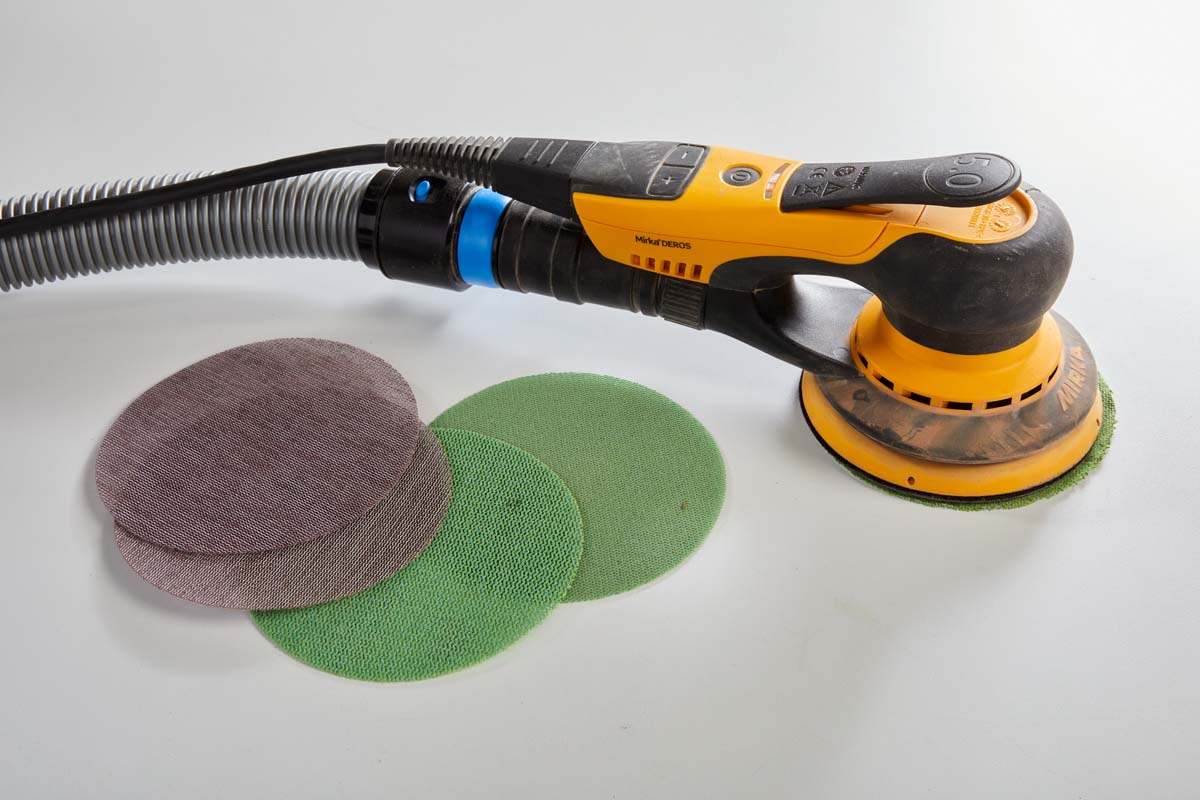
The pad is large enough to work efficiently across tabletops and panels, yet the tool remains compact enough to sand inside cabinets, work vertically, and follow gentle curves.
When choosing a random orbital sander, pay particular attention to balance and vibration. A tool that's comfortable to control becomes increasingly important during a long sanding session.
Keep a Useful Range of Sanding Grits
There's little reason to stock every grit available.
For furniture work, a useful selection might include 80 or 100 grit for initial sanding, followed by 120 and 150 or 180 grit for progressively refining the surface.
Mesh-style abrasive discs are another option. Their open construction can work particularly well with dust extraction while providing an effective abrasive surface.
WOODSMITH TIP: Let the Sander Do the Work. Don't bear down on a random orbital sander in an attempt to speed up the job. Keep the pad flat and let the abrasive do the cutting. For more on getting the best results, link here to How to Use a Random Orbital Sander for a Smooth Surface.
Dust Extractor: Capture Dust at the Source
The dust bag or canister supplied with a random orbital sander is convenient, but connecting the tool to a dust extractor or shop vacuum can improve dust collection considerably.
A dust extractor designed for use with power tools may also provide useful features such as improved filtration, quieter operation, and a tool-activated outlet that switches the extractor on automatically when you start the sander.
Pairing a random orbital sander with effective dust collection makes a powerful surface-preparation team.
Card Scraper: A Simple Cutting Tool with a Lot of Uses
Not every surface problem should be attacked with sandpaper.
A card scraper removes wood with a cutting edge rather than an abrasive. That makes this simple piece of flexible steel one of the most versatile surface-preparation tools you can own.
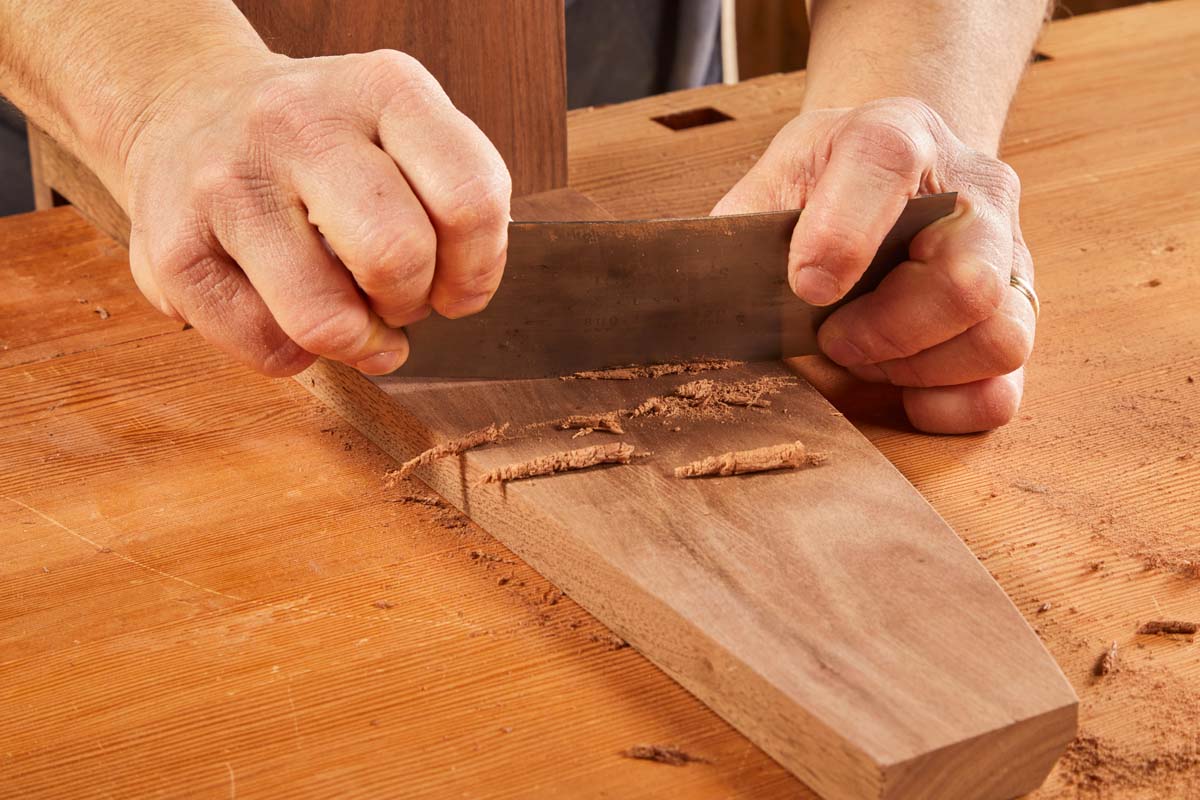
A card scraper can:
- Remove machine marks
- Smooth difficult grain
- Work on small, localized imperfections
- Clean dried glue from corners
- Refine a surface without leaving sanding scratches
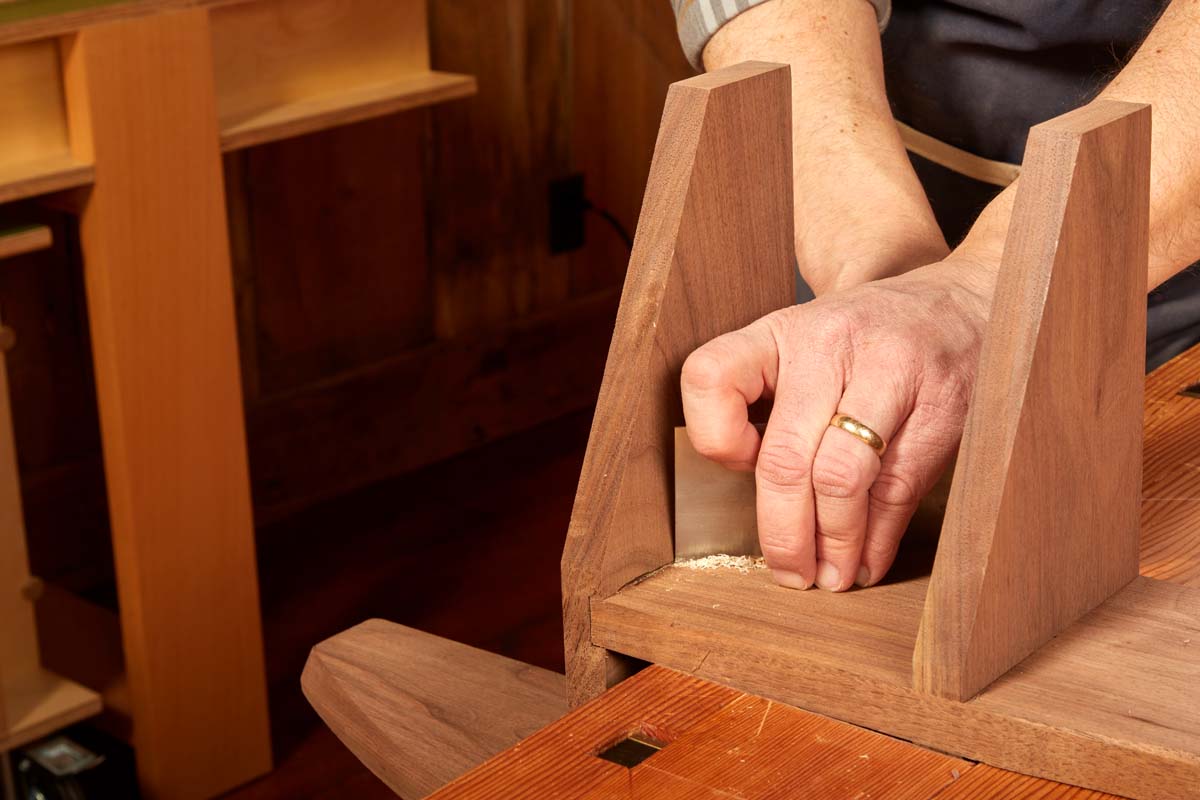
The flexible blade also allows you to bow the scraper slightly and concentrate the cutting action where it's needed.
RELATED VIDEO: How to Use a Card Scraper for Smooth Wood Surfaces
Shavings Tell You When It's Sharp
A properly sharpened card scraper should produce thin curls of wood rather than dust and crumbs. When those curls disappear, that's a good indication that it's time to refresh the cutting edge.
RELATED VIDEO: A Better Way to Sharpen a Card Scraper
Chisel Plane: Clean Up the Details
Surface preparation often reveals little problems that were easy to overlook earlier in a project. That's where a chisel plane earns its place in the tool kit.
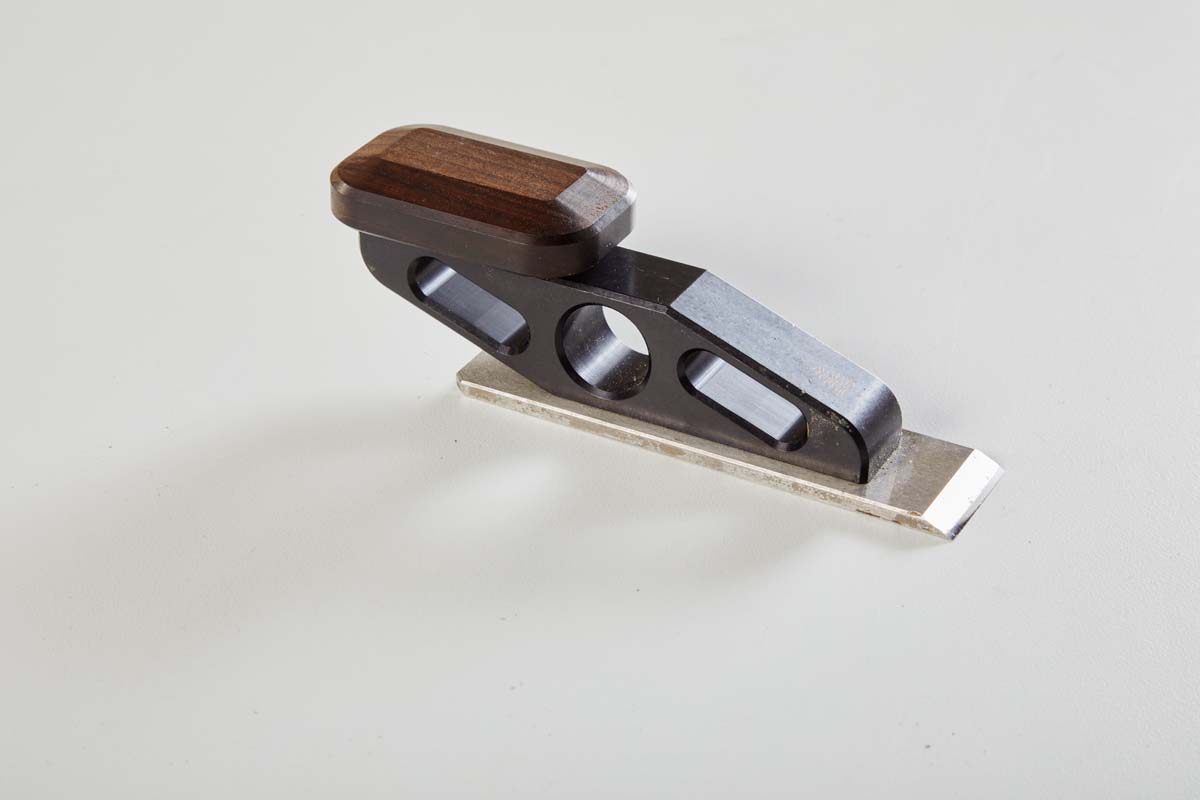
The cutting edge extends out at the front of the tool while the flat base provides a reference surface. This combination allows the plane to reach into places where a conventional plane can't. It's especially handy for removing glue ridges, cleaning inside corners, and trimming raised pins, plugs, and veneer edging flush.
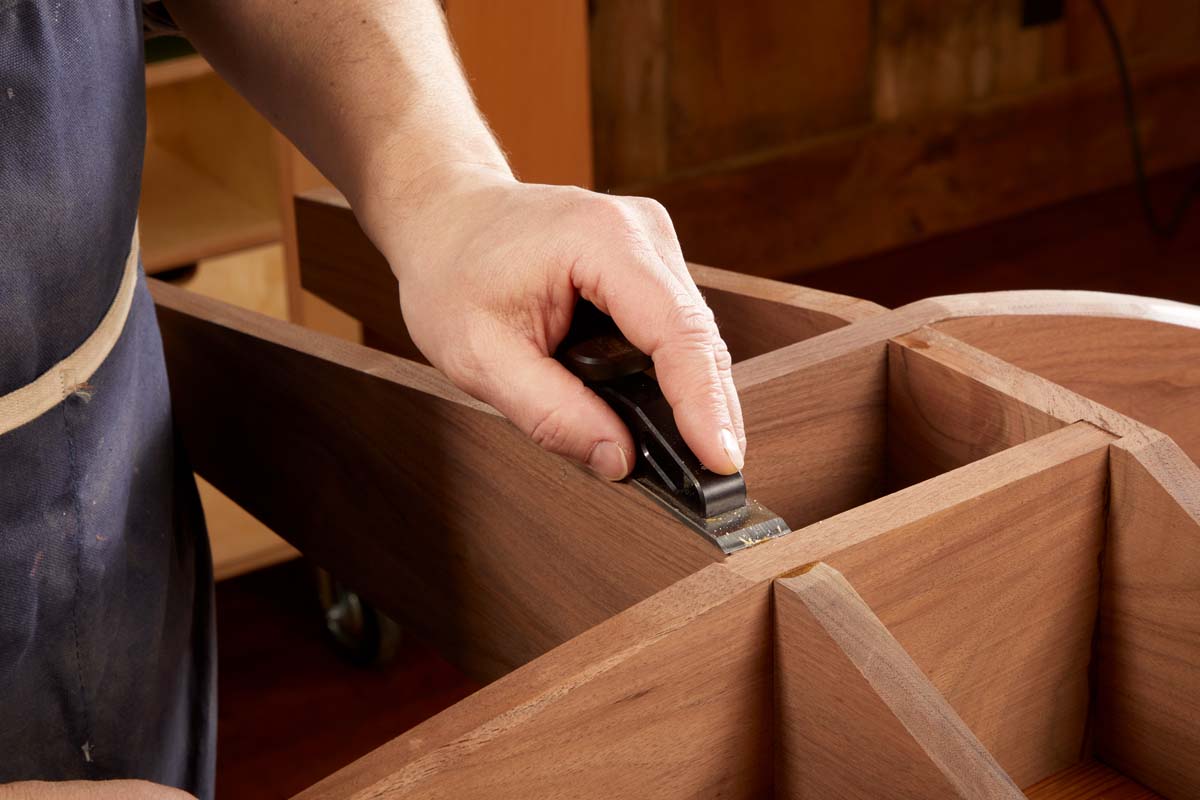
For dried glue inside an assembly, approach the glue from two directions. This can sever the glue and pop it free while reducing the chance of tearing the surrounding wood.
Cabinet Scraper: Smooth Larger Surfaces
A card scraper is wonderfully versatile, but using one across a large tabletop can become tiring. The blade can also get hot during extended use.
That's where the cabinet scraper comes in.
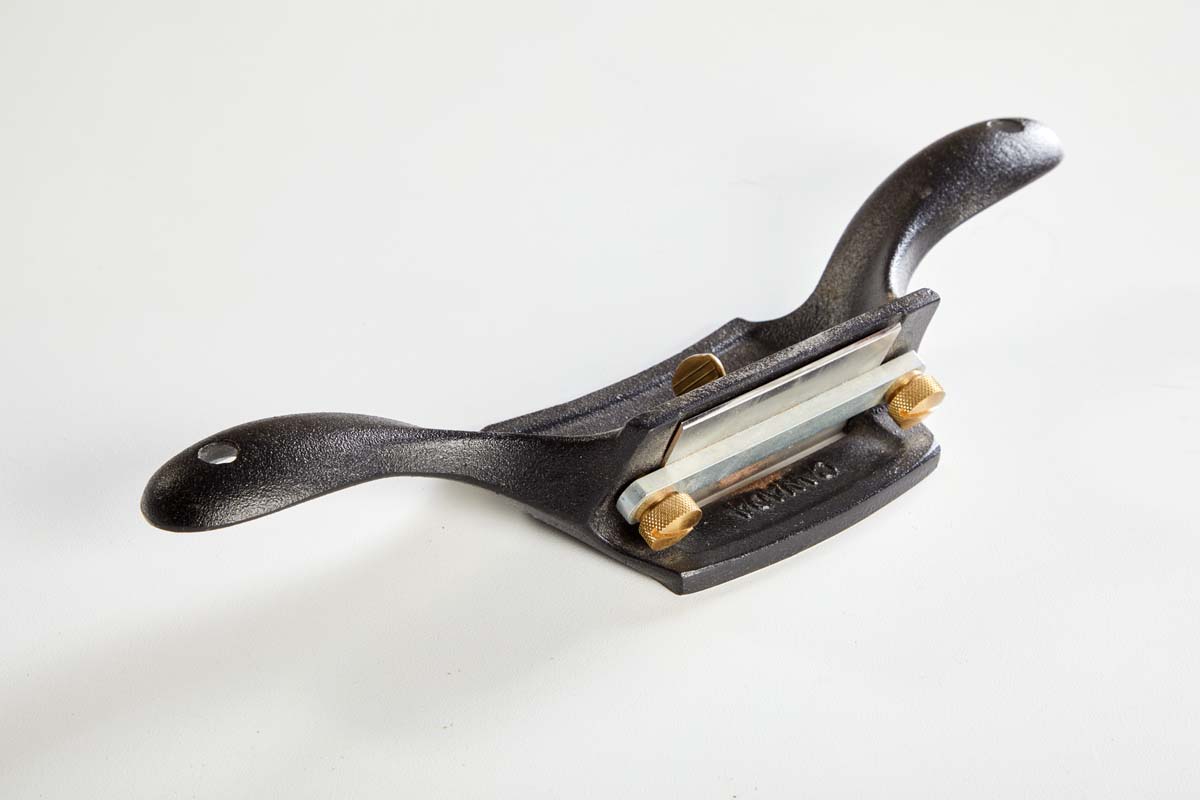
A cabinet scraper puts a thicker scraper blade into a handled body with a flat sole. The sole helps maintain a flat surface, while the handles provide better control and keep your fingers away from the heat generated by the blade.
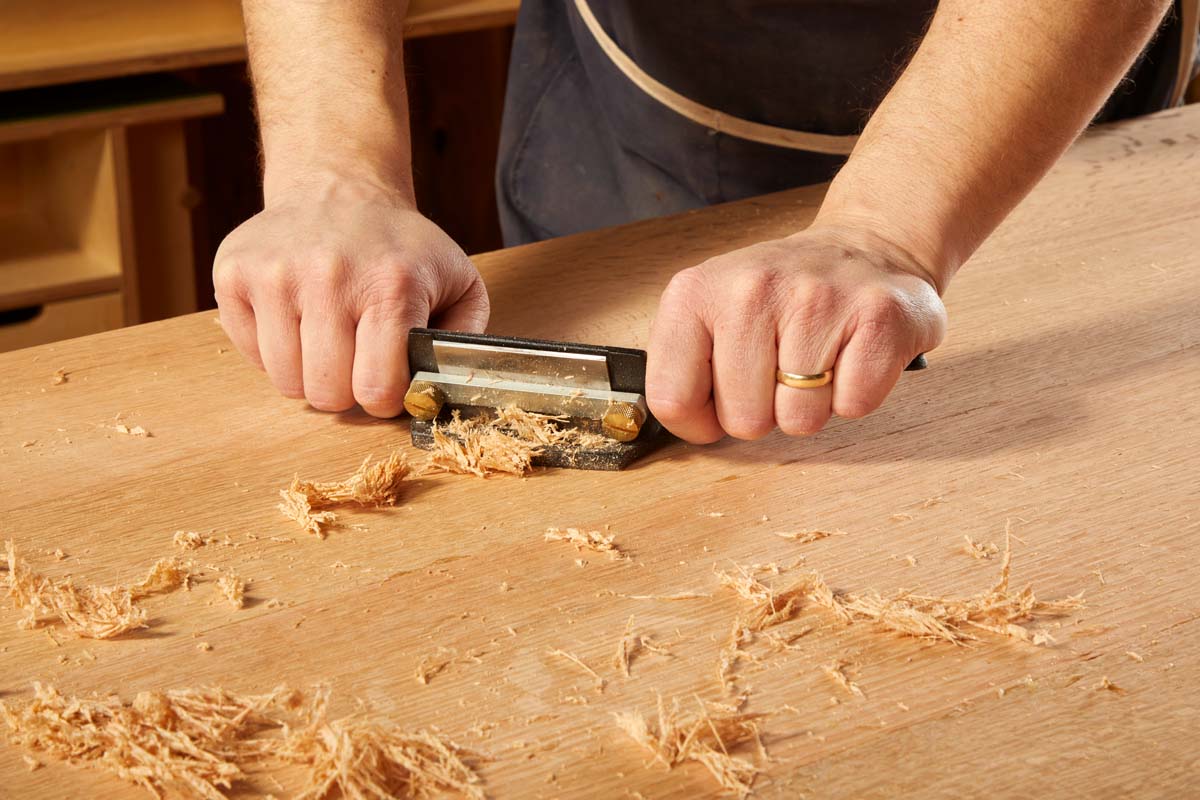
It's particularly useful on glued-up panels with changing grain direction, where using a conventional smoothing plane can be challenging.
A thumbscrew flexes the blade to adjust the cut. The blade has working edges that can be sharpened with a hook much like a card scraper.
RELATED ARTICLE: Scraper Plane vs. Cabinet Scraper: Smoothing Wood Without Sanding
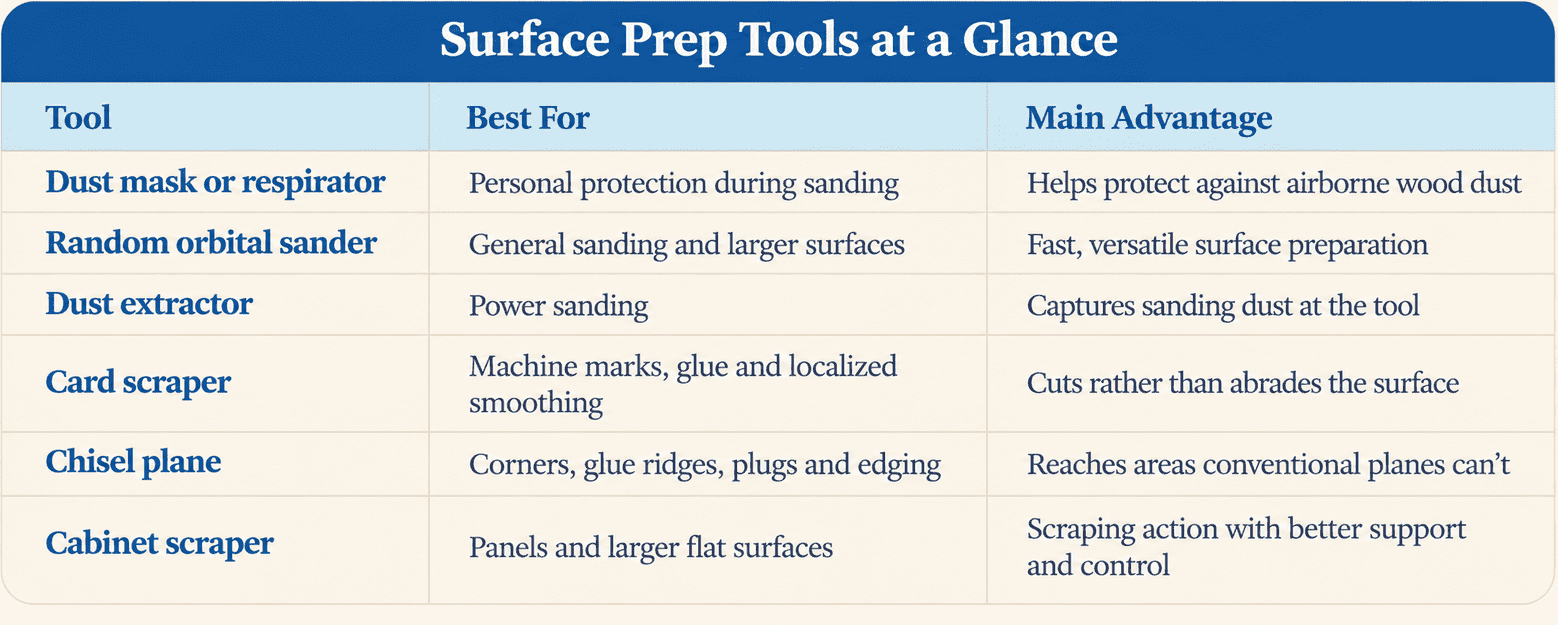
Surface Prep Tools at a Glance
Use the Right Tool Before Reaching for Finer Sandpaper
One of the biggest advantages of assembling a dedicated surface-preparation kit is realizing that more sanding isn't always the answer.
A glue ridge can be removed quickly with a chisel plane. A machine mark may disappear in a few passes with a card scraper. A cabinet scraper can refine difficult grain while keeping a large surface flat. Then the random orbital sander can take over when abrasive smoothing is the better approach.
The final surface preparation is when you get one last close look at every part of a project before applying finish. Taking the time to remove the small imperfections now allows the wood — rather than the scratches, glue spots, or machine marks — to get all the attention once the finish goes on.
Get More from Your Sanding Tools
Choosing the right sander is only part of getting a smooth surface. Belt sanders, random orbital sanders, finish sanders, and detail sanders each have jobs they do particularly well.
Take a look at our complete Sanders in the Shop guide to learn where each type fits into your woodworking and how to get better results from the sanders you already own.
LEARN MORE ABOUT WOODWORKING SANDERS → Types of Sanders for Woodwrking: How to Choose & Use Them