



Protecting Your Workbench Top: 4 Easy, Practical Options
Workbench tops take a beating. That's what they're designed to do. Between chopping dovetails, routing, sanding, gluing, and finishing, it's no surprise that a woodworking bench eventually ends up covered with scratches, dents, and glue spots.
Our workbenches here at Woodsmith certainly get their share of abuse. Every now and then, we take the time to clean them up and flatten the surfaces. But as Benjamin Franklin famously said, "An ounce of prevention is worth a pound of cure."
That's where workbench toppers come in.
A protective surface keeps your benchtop from getting damaged during messy or aggressive operations. And depending on the task, it can actually provide a better working surface than the bench itself.
There are plenty of ways to protect a workbench, but I've found four materials that cover most of my needs: hardboard or MDF, non-slip router pads, self-healing cutting mats, and kraft paper.
1. Hardboard and MDF: Protect Your Bench from Cutting Tools
One of the simplest ways to protect your workbench is to place a piece of hardboard or MDF beneath the workpiece.
Both materials provide a solid, flat surface that can take the abuse instead of your benchtop.
They're especially useful for tasks where a cutting edge might pass completely through the workpiece.
Use Hardboard for Chisel Work
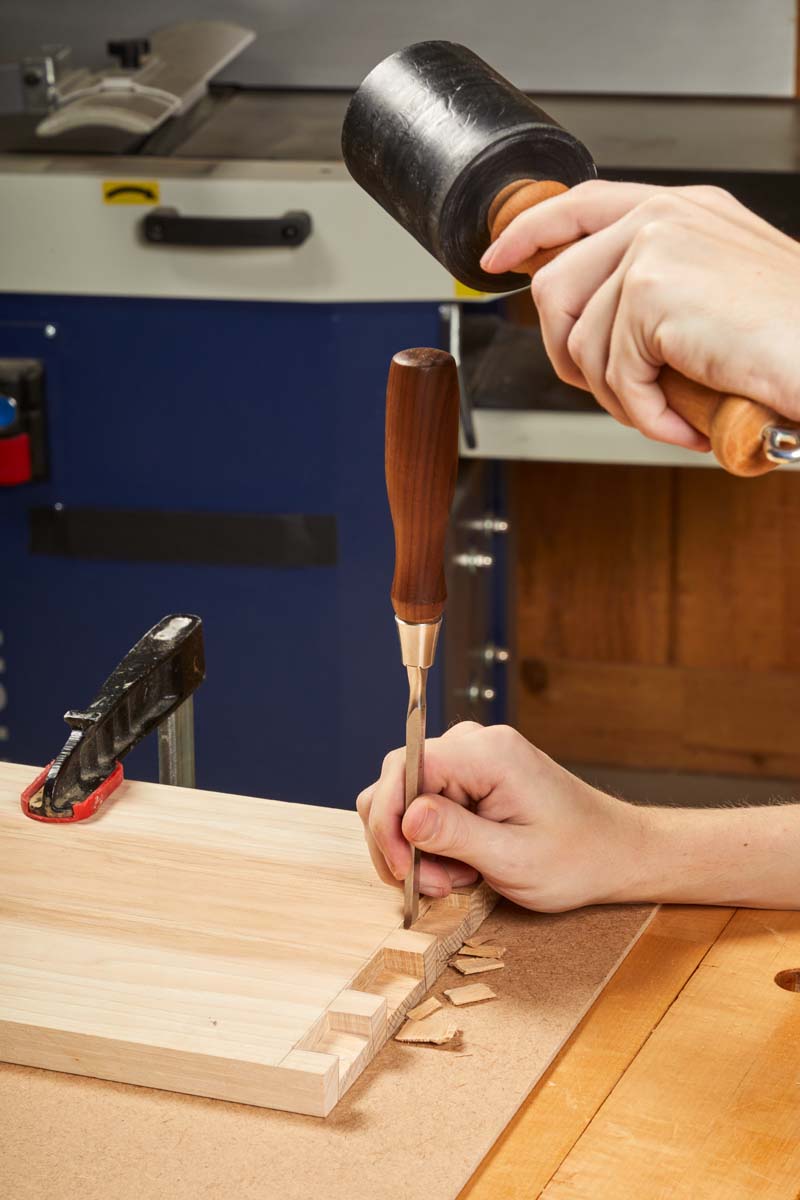
When chopping out dovetail sockets, for example, I like to place a piece of 1/4"-thick hardboard beneath the workpiece.
The hardboard provides firm support while protecting the bench from the chisel edge.
And because it's inexpensive, I don't worry about replacing it after it becomes heavily marked.
Choose Thicker MDF for Routing
For operations that remove more material, such as routing a circle or cutting through a workpiece, I'll often use 1/2"-thick MDF instead.
The extra thickness provides more material between the cutter and the bench.
Just make sure the workpiece is securely held and the sacrificial board is thick enough for the cutting depth.
Another advantage of hardboard and MDF is that they provide a fresh, flat surface when your regular benchtop has become a little worse for wear.
2. Non-Slip Router Pads: Ideal for Sanding and Light Routing
The second workbench topper I reach for is a non-slip router pad.
These pads are similar to the mesh material used for shelf liners and non-slip rug pads, although router pads are typically made from a denser material that provides better support.
Despite the name, I probably use mine more often for sanding than routing.
Keep Workpieces from Sliding While Sanding
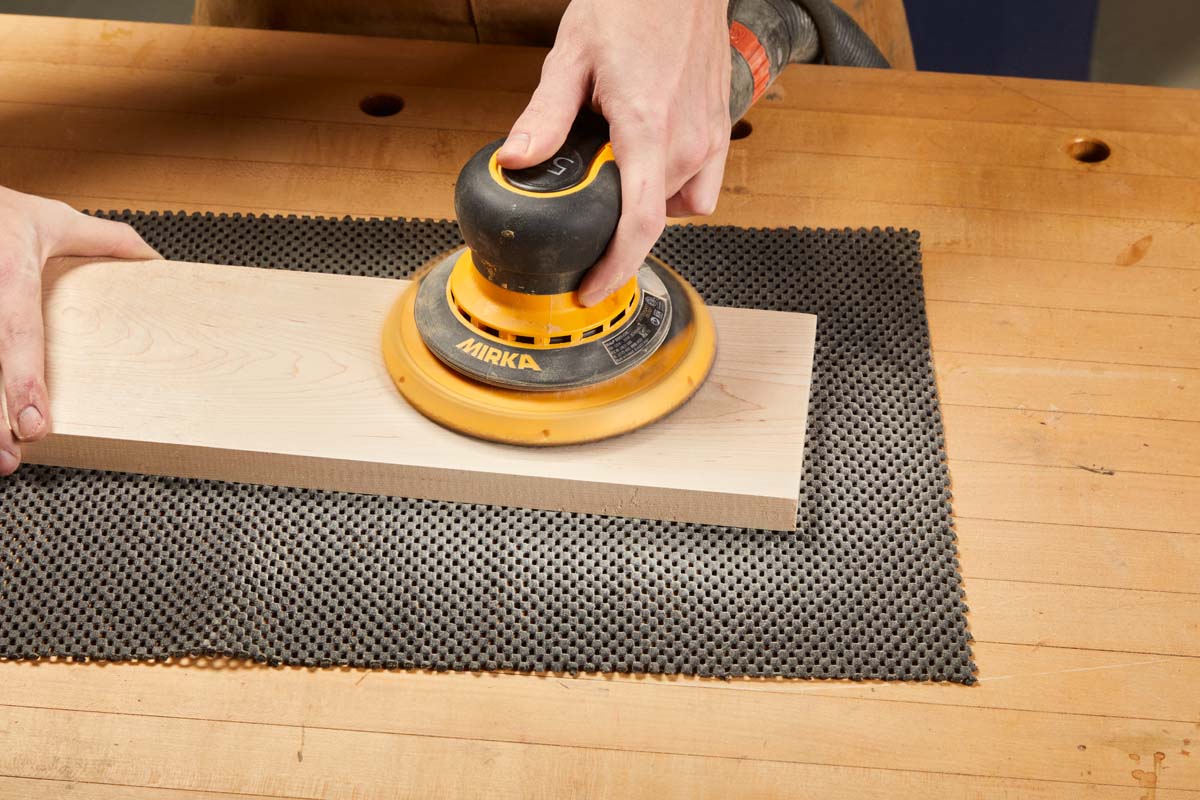
When using a random-orbit sander, a router pad helps keep the workpiece from moving around on the bench.
It also provides a slightly cushioned surface that can protect the underside of your workpiece from scratches caused by small chips or debris.
That makes it especially useful when sanding parts that already have a finished or carefully prepared face.
Use Router Pads for Small Edge Details
Router pads can also be handy when using a compact router to add a small chamfer or roundover.
However, I wouldn't rely on a non-slip pad alone for demanding routing operations.
For cutting joinery, deep grooves, or other cuts that generate significant cutting forces, clamps, bench dogs, or another positive workholding method are the better choice.
One thing I particularly like about router pads is their convenience. When you're finished, simply roll up the pad and put it away.
3. Self-Healing Cutting Mats: Protect Your Bench from Knife Cuts
Not every project in a woodworking shop involves cutting wood.
Sometimes I'm working with leather, fabric, paper, or other materials that require a sharp utility knife or craft knife.
For those jobs, a self-healing cutting mat is an excellent way to protect the workbench.
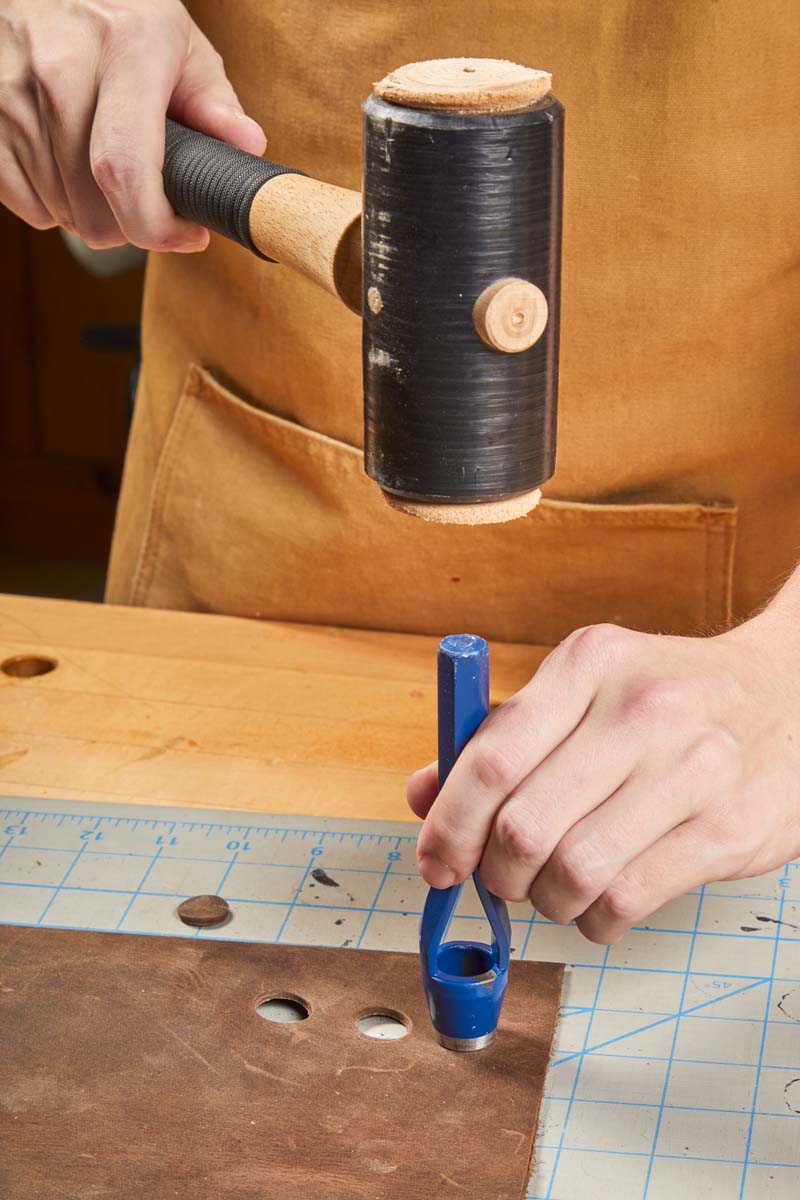
Unlike a hardboard surface, a self-healing mat is designed to withstand repeated light cuts.
The resilient material allows shallow cuts to close up, reducing visible scoring and helping the mat remain usable after repeated cutting.
Of course, "self-healing" doesn't mean the mat is indestructible. Deep cuts and excessive force can still damage it.
But for trimming leather, cutting patterns, and other light-duty knife work, it's a much better surface than the bare workbench.
I also appreciate that many cutting mats include printed measurement grids, which can be useful for layout work.
4. Kraft Paper: Inexpensive Protection for Glue and Finish
The final workbench topper is probably the simplest of the bunch: kraft paper.
A roll of kraft paper is inexpensive, easy to store, and extremely useful for protecting your bench during glue-ups and finishing.
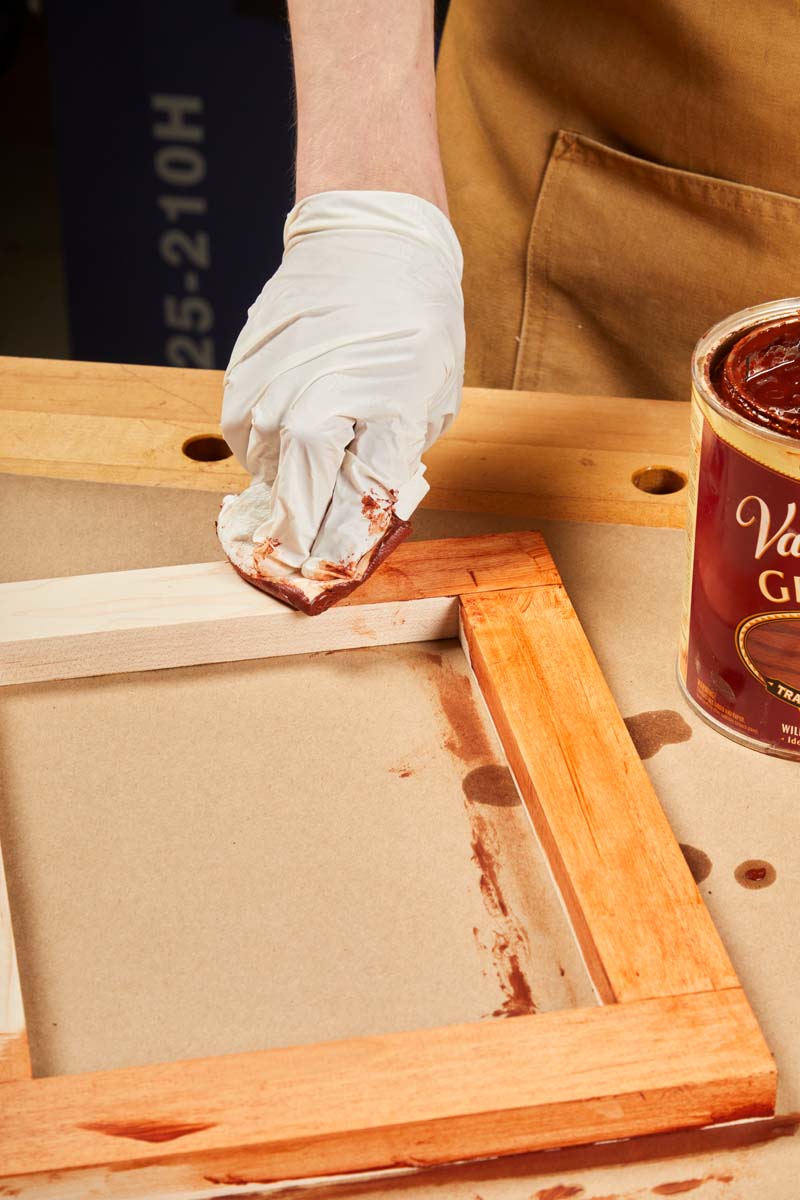
When I'm applying a finish or working on an assembly that might leave glue squeeze-out, I'll cover the benchtop with a sheet of paper.
Keep Glue and Finish Off Your Workbench
Kraft paper is made using a process that produces strong, durable paper fibers. That's why it holds up better than many ordinary paper products.
Some kraft papers also have a polyethylene coating that helps resist liquids.
For glue-ups and finishing, I prefer a coated or otherwise liquid-resistant version. Ordinary uncoated kraft paper can allow spills to soak through, so don't assume every roll provides the same protection.
It's also a good idea to raise your project on a few scrap blocks. This keeps the workpiece from sitting directly in glue squeeze-out or wet finish.
When the job is complete, simply remove the paper and dispose of it appropriately.
There's no scraping dried glue off the bench or worrying about finish stains.
Which Workbench Topper Should You Use?
Each of these protective surfaces has a job it does particularly well.
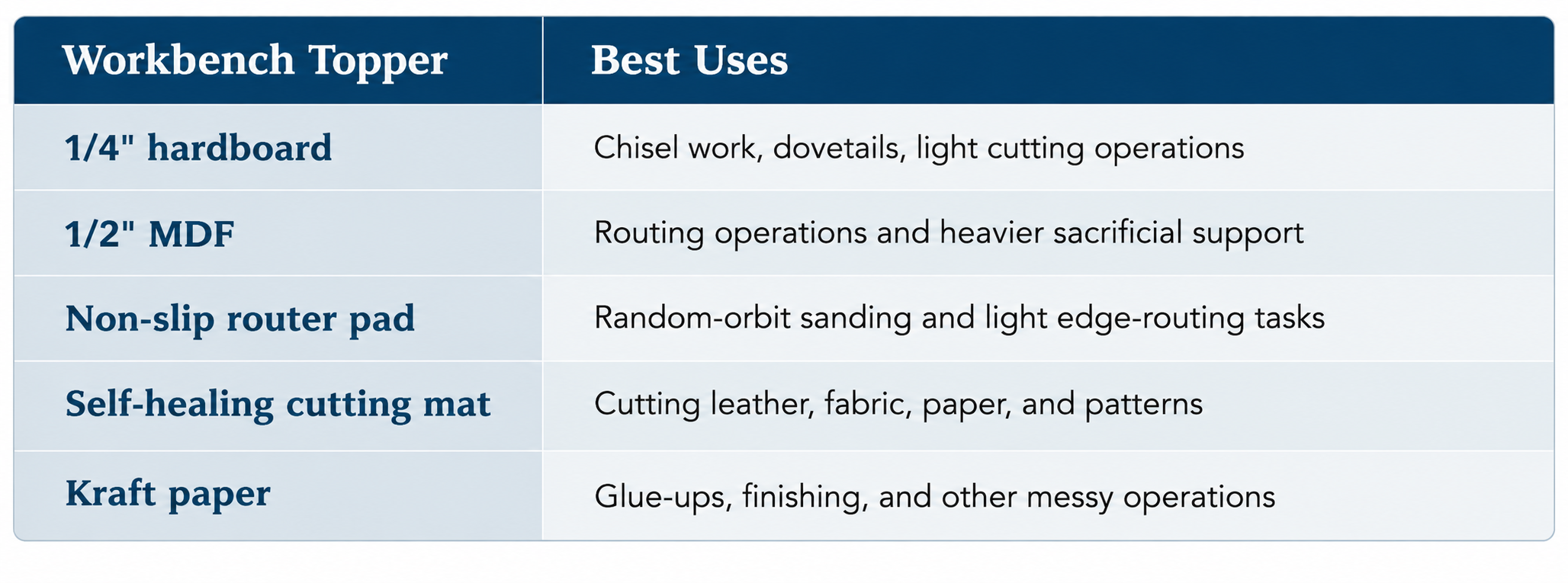
You don't need to keep every one of these materials permanently on your workbench.
In fact, I prefer having a few different toppers available so I can choose the one that works best for the task at hand.
Keep Your Workbench in Better Shape
Protecting your workbench doesn't require expensive accessories or a complicated setup.
A scrap of hardboard, a roll of kraft paper, or a non-slip pad can make a surprising difference in how well your bench holds up over time.
And these materials do more than prevent scratches and stains. They can also make sanding, routing, cutting, and finishing easier.
The next time you're about to start a messy or potentially damaging operation, consider putting something between your project and the benchtop.
Your workbench will thank you for it.
Workbench Construction Basics
Protecting your workbench is important, but building one that fits your woodworking needs is where it all begins.
In Workbench Construction Basics, the editors of Woodsmith Magazine walk you through the essential features to consider when choosing or building a workbench. From sturdy construction and practical workholding to selecting the right size and design, you'll learn what makes a great woodworking bench.
Whether you're planning a simple weekend workbench or a traditional heirloom bench built to last for generations, this guide will help you make the right decisions before you start cutting lumber.
EXPLORE WORKBENCH CONSTRUCTION BASICS → Build a Better Workbench from the Ground Up


