
One of the best reasons for taking a look in another woodworker’s shop is to see how personal this hobby is. While there are a lot of similarities, each of us works in ways that are unique. When you notice these quirks, you learn something. (By the way, it’s also a good reason to stop in for a tour of the shop and studios here in Des Moines.)
Among the most personal of tools that woodworkers use are the measuring and layout tools we reach for through-out a project. Based on my 23 years here, layout and measuring tools are also the ones that many woodworkers swoon over collecting beautiful, unusual or curious examples of and keeping them in special cases or tool chests.
While the strange and wonderful tools would make for an interesting topic, for this article, the ShopNotes staff shares the quotidian measuring tools that live within easy reach. What’s interesting to me is how different these tools are from the “must-have” lists that you’re likely to encounter in magazines (this one included) and online. I’d love to know what tools you consider essential. Send me your list: phuber@aimmedia.com.
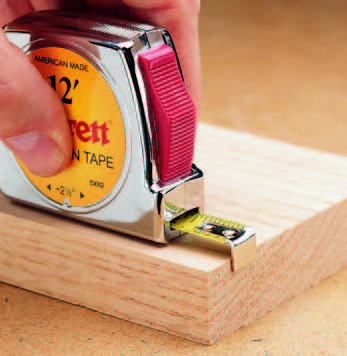 |
| For many woodworkers, a tape measure is part of the standard-issue kit. Mine rarely comes out of the tool cabinet. |
RIGID RULES.
Some tool preferences are intentional. You make a deliberate decision to buy or use a specific tool. Other tool preferences could be based on sentiment, along the lines of “this was my grandad’s square, and I think of him every time I use it.” My preferred measuring tools built up over time and experience like a stalactite in a cave.
 |
 |
 |
 |
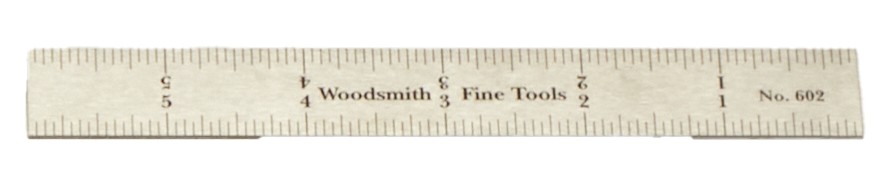
| Rigid metal or wood rules can be used for more than measuring, including as a straightedge for drawing ... or scraping glue. |
VERIFY, DON’T TRUST.
It started with working in the shop here. The scales on the table saws are rarely accurate (multiple reasons). In order to set the rip fence, I resorted to using a 12" or 18" ruler. At first, I used a tape measure for longer distances. However, I didn’t like the flexible nature of the tape. Instead, a 36" yardstick or aluminum ruler became my preferred tool. I found a vintage 48" ruler at a yard sale. In my home shop, I use that for the big jobs. It’s a straight (enough) edge to use for drawing lines and angles.
Multiply that method of work over time and I rarely look at the fence’s scale anymore, even in my own shop. It also means that several steel or wood rulers are close by all the time. As a result, I began to use the rulers for my other measuring and layout tasks. There’s a consistency to using the same tools for layout work and for tool setup.
You may not think that a wood yardstick is an accurate woodworking tool, but I would disagree. With 1⁄16" scales, it handles the most common dimensions. At some point, I end up cutting pieces to fit, anyway. With a rigid ruler, I skip the dimensions and instead transfer dimensions with pencil tick marks.
ROUGH WORK.
I still use a tape measure. It comes out when I’m working on house projects, where distances quickly get longer. Although, even then I use a 6' “flippy-floppy” folding ruler.
 |
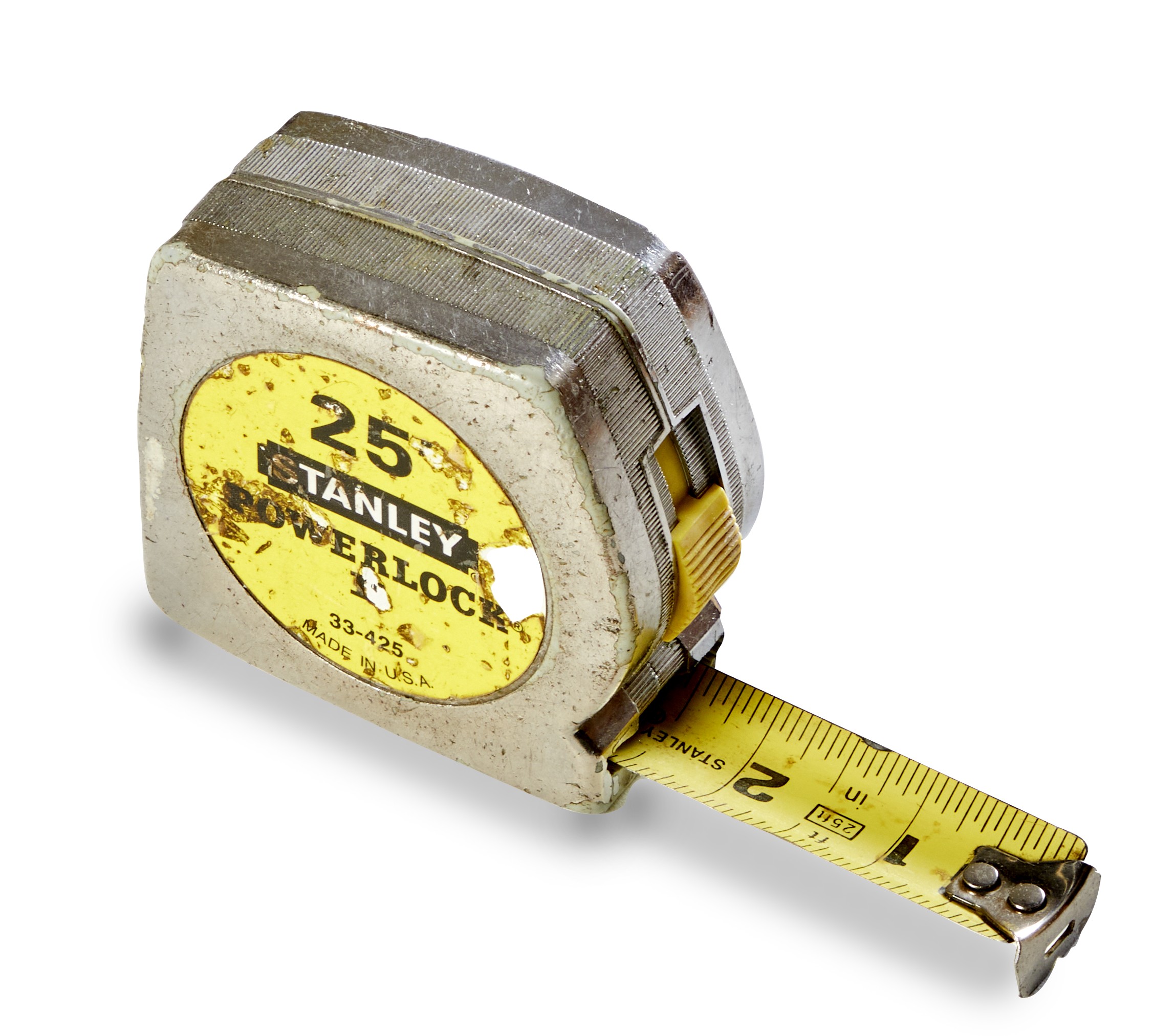 |
| Tape measures come in a variety of flavors to suit your needs. This one has a lay-flat tape you can write on easily. Or stick with a trusty standby (below). |
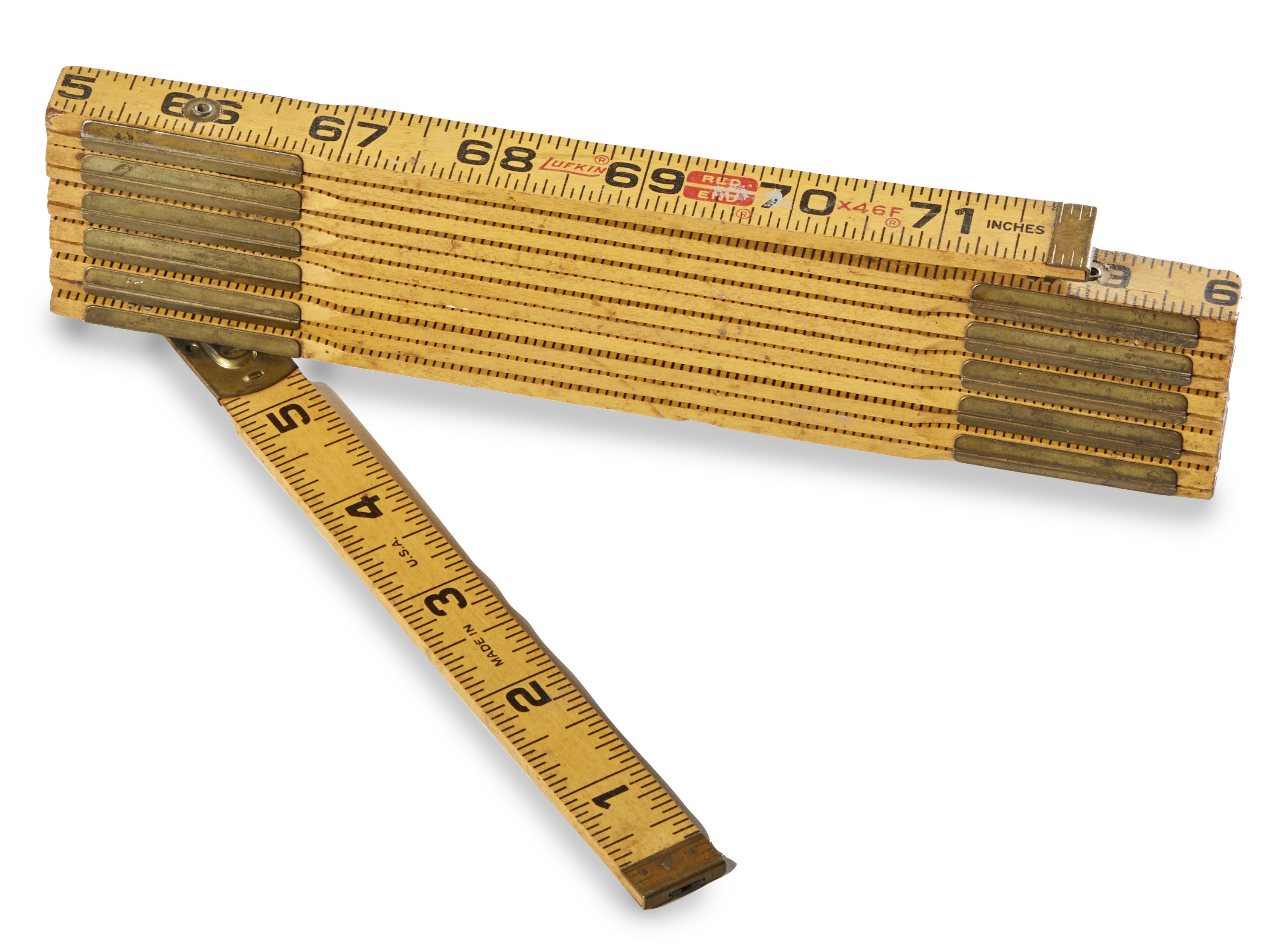 |
| Quirky, old-school tools like folding rulers still have fans and users. |
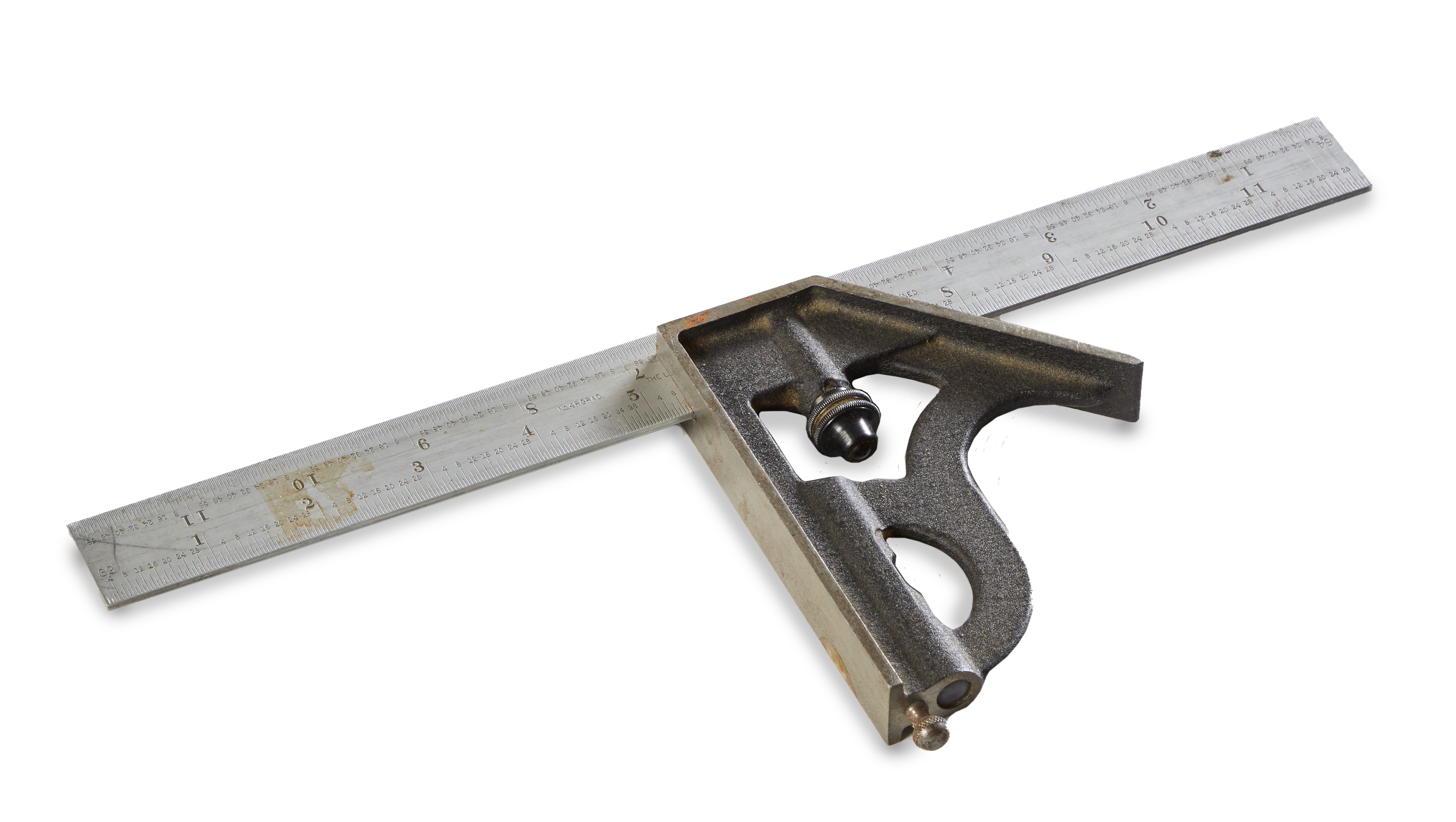 |
| In a bit of surprise, a combination square wasn’t mentioned as a favorite tool. |
 |
 |
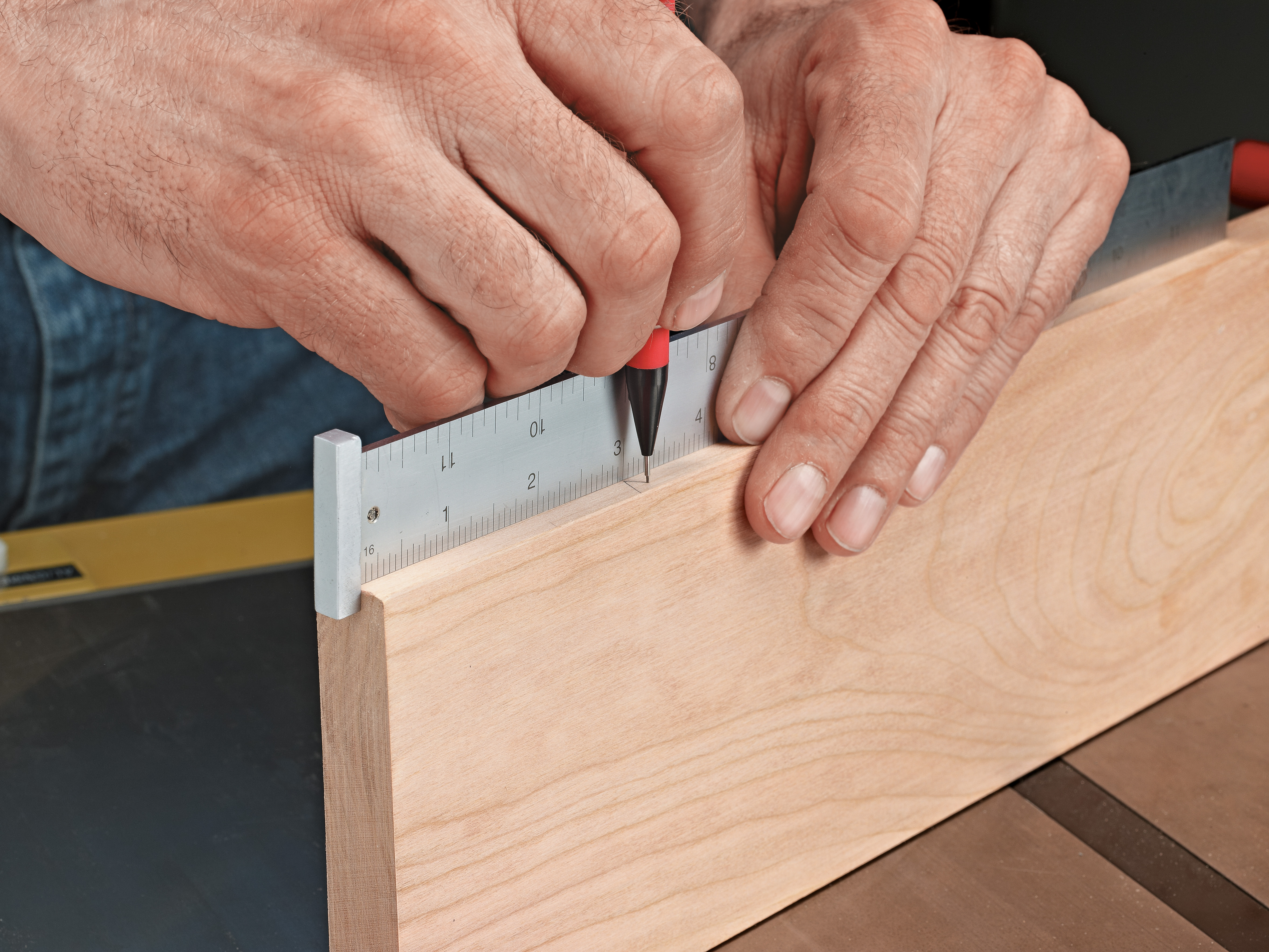
| Erich Lage likes the solid reference feel that a hook rule provides. He makes V-shaped marks to pinpoint the dimension (inset photo). It’s a trick he learned in his trim carpentry days. |
TRUSTY SIDEKICK.
Steve Johnson, one of the long-time shop craftsman at Woodsmith and ShopNotes taught me a lot about woodworking. When I first started at the magazine, I had a lot of enthusiasm and less knowledge. Steve and I met regularly for lessons. His favorite measuring tool is the 6" steel rule in his apron pocket.
 |
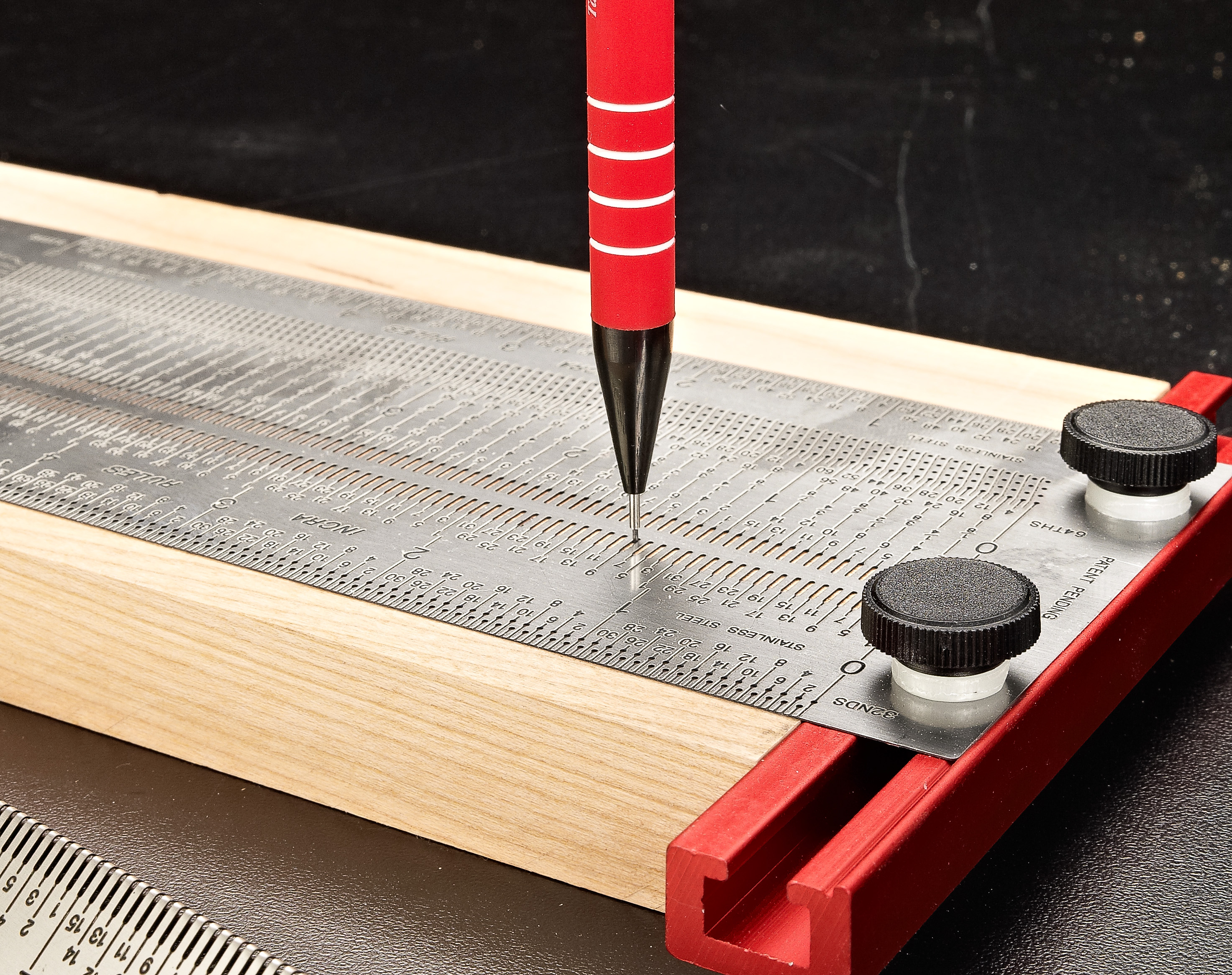 |
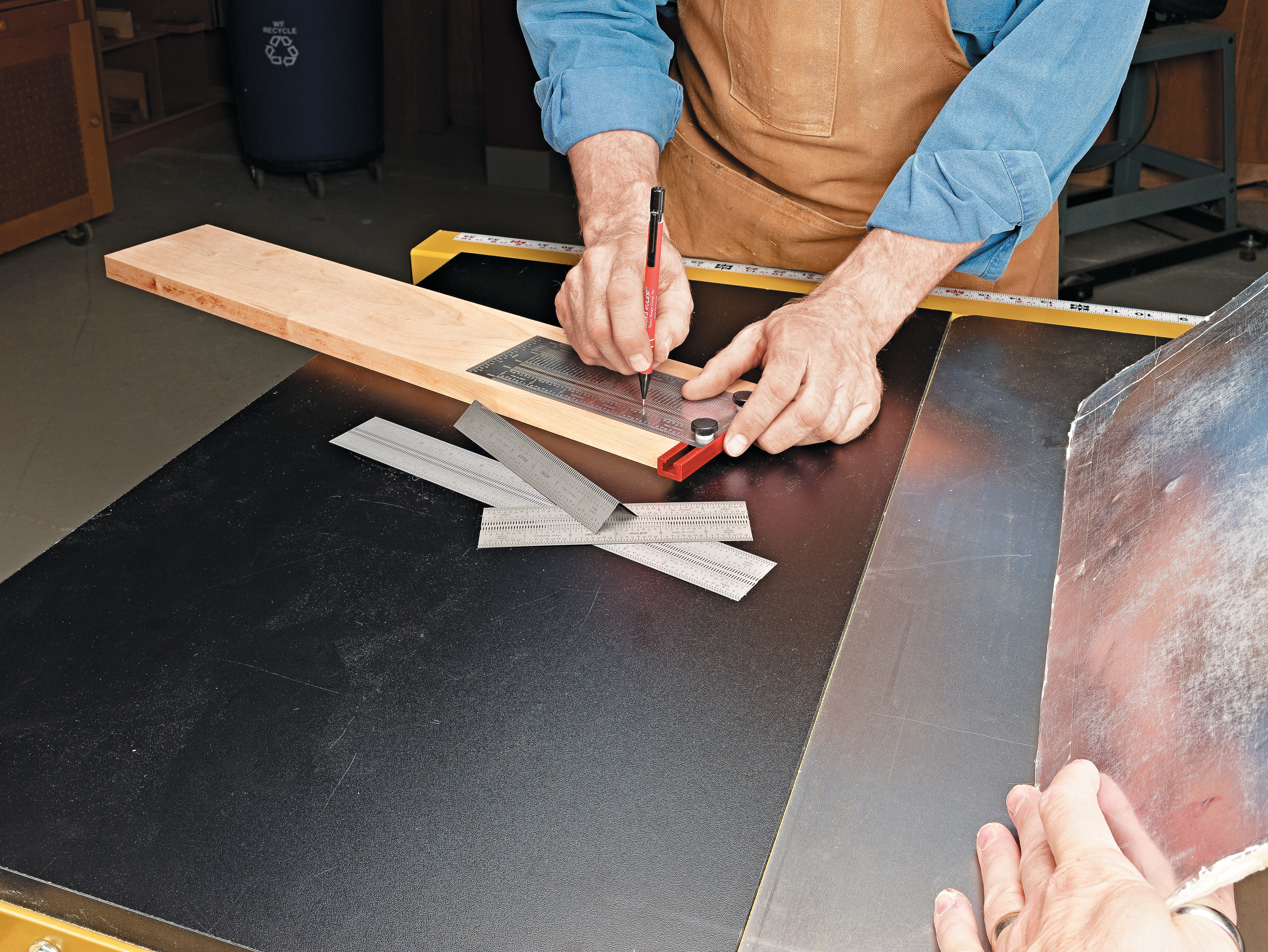
| Shop manager Marc Hopkins likes the Incra family of measuring tools with the etched slots to hold a mechanical pencil lead. |
The thing is, the specific one doesn’t matter. Of course, it needs to be accurate and the markings clear. (His rules are the same ones offered for sale on our site.) It just isn’t a precious item. His rule found use in layout work and machine setup, as you’d expect. Steve didn’t hesitate to use the ruler as a spacer for gapping doors and drawer fronts. Somewhat surprisingly, he even used it as a small pry bar or glue scraper. When the tool was worn, he’d simply replace it.
GO TO THE TAPE.
Contributing editor Logan Wittmer takes a different tack altogether. His favorite measuring tool is the Starrett 12' narrow tape measure. It lives on a clip attached to his custom leather shop apron. He can reach for it without looking. As a Starrett, the quality is high, which means it’s designed to endure through tough conditions.
I asked about why this particular tape is the one for him. He replied, “It con-tains both imperial units and metric.” That wasn’t what I expected. Normally, folk don’t care for conflicting scales. The one you need often appears on the wrong side. In Logan’s case, it makes sense. He’s doing more work with digital tools like the Shaper Origin, CNC routers, and lasers. Much of the software driving those tools defaults to metric units. So with one tool, Logan can easily travel between worlds, so to speak.
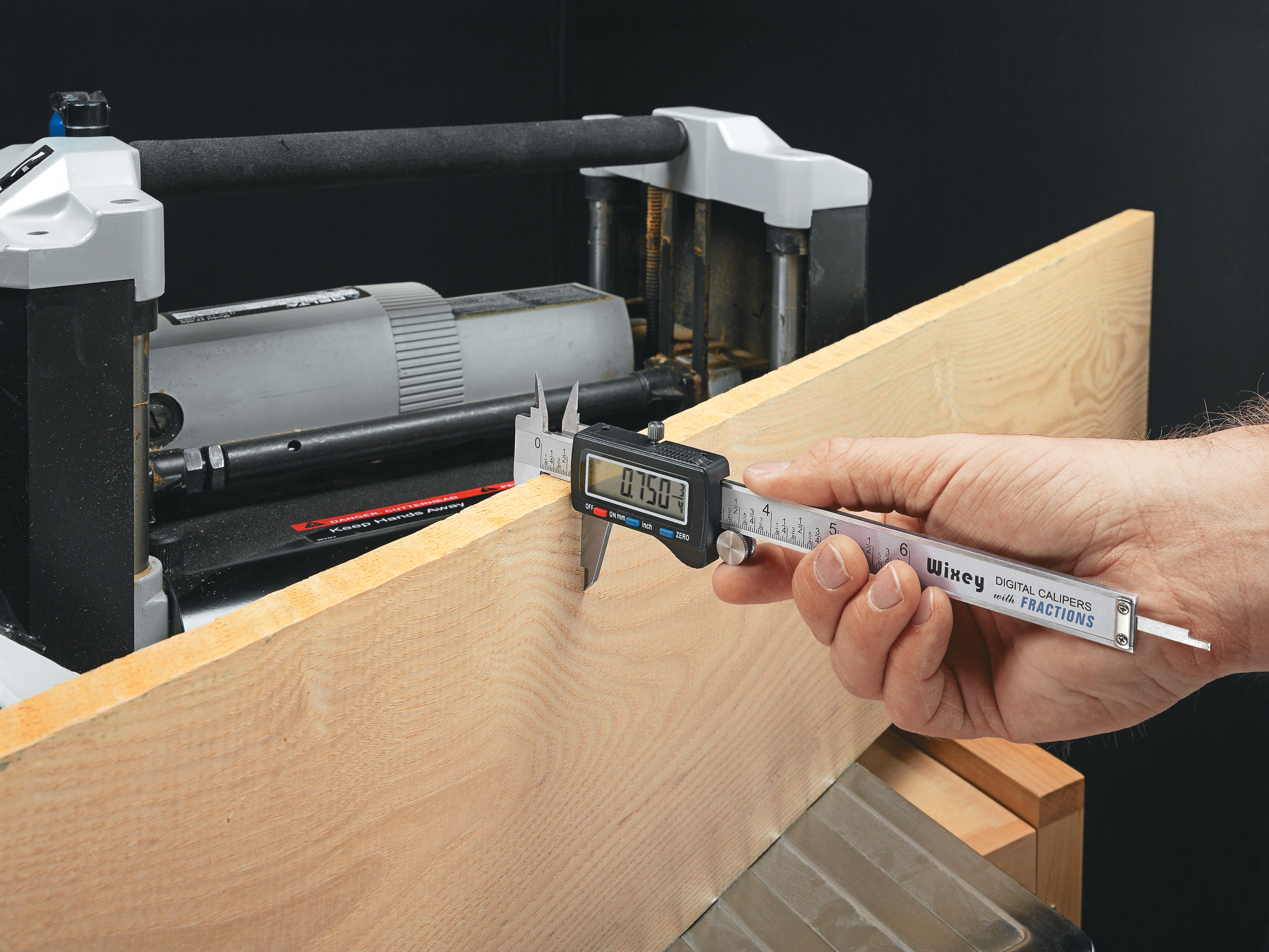 |
| Designer John Doyle relies on a set of calipers for a variety of measuring tasks. A digital version like this is easy to read and allows you to measure in decimal and fractional inches, as well as metric. |
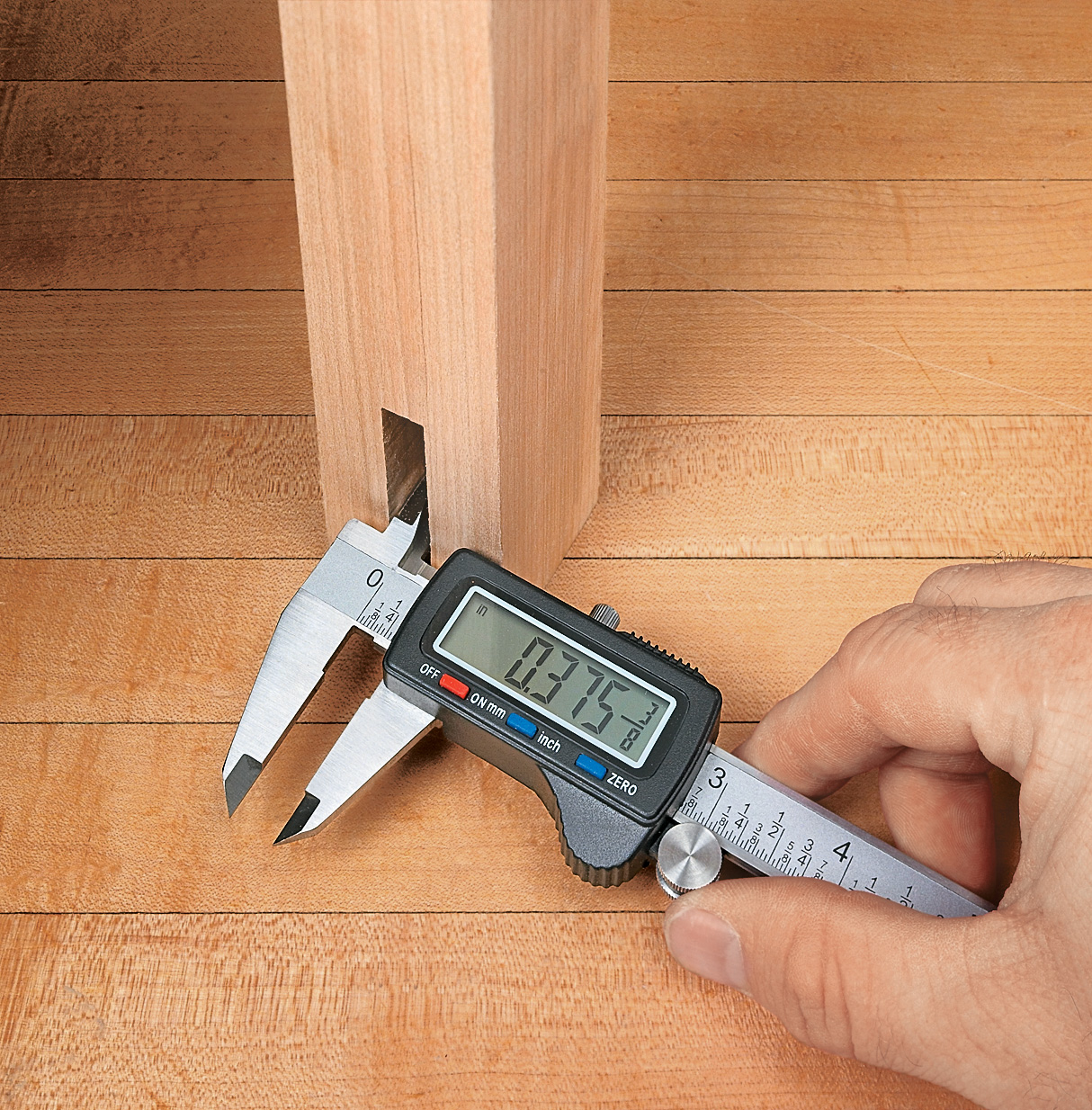 |
| Small jaws at the back are designed to take inside measurements like the width of this mortise. |
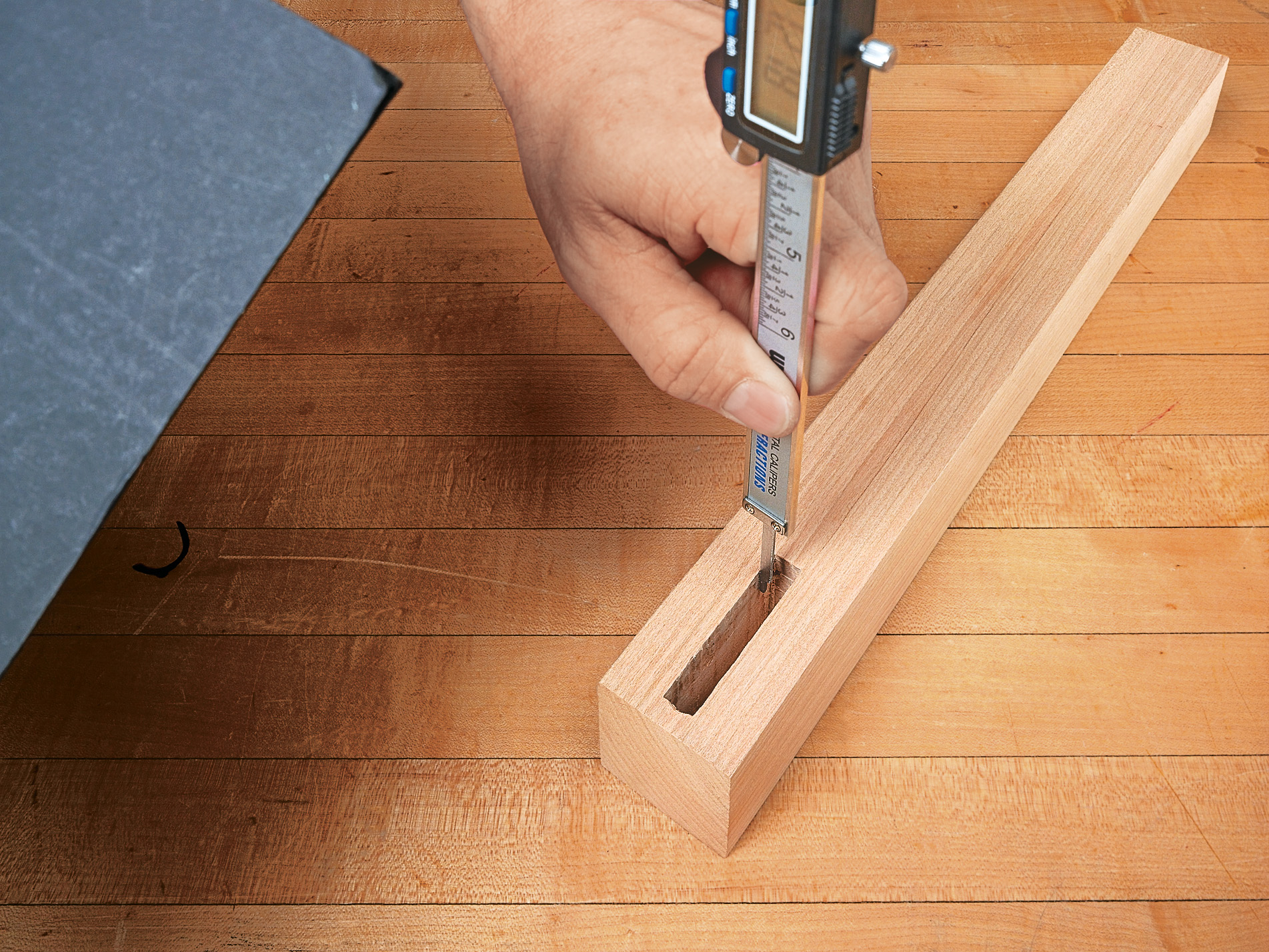 |
| The often overlooked tail extension is useful as a depth measuring tool. |
WORK HABITS.
The weak point on a tape measure is the hook. Over time it deforms or falls off. Logan bases any measurement off of the 1" mark, and not the hook end. “Burning an inch” requires some internal math, but is a traditional practice.
BE PARTICULAR.
“My favorite measuring tool is an 18" rule,” says Creative Director Chris Fitch. “I love the 6" and 12" size but an 18" has you covered.” Sounds reasonable, but here’s where the personality of the woodworker comes out, “My least favorite measuring tool is any rule that has 10ths — its just confusing. And no center finder rules — I hate having to flip a ruler around to avoid 10ths and the center finder. Maybe manufacturers should offer a set that includes a useful ruler to measure with and then one with 10ths, a center finder, and so forth to scrape glue with.”
NO COMBO SQUARE.
Chris threw in an off-hand reference to a combination (or adjustable square). This stood out since no one else mentioned this tool. To wrap up, take a look at the photos on these pages to see a few other tool references shared by the staff. There are also a couple tips related to measuring accurately, or even avoiding measuring to be more accurate as well.
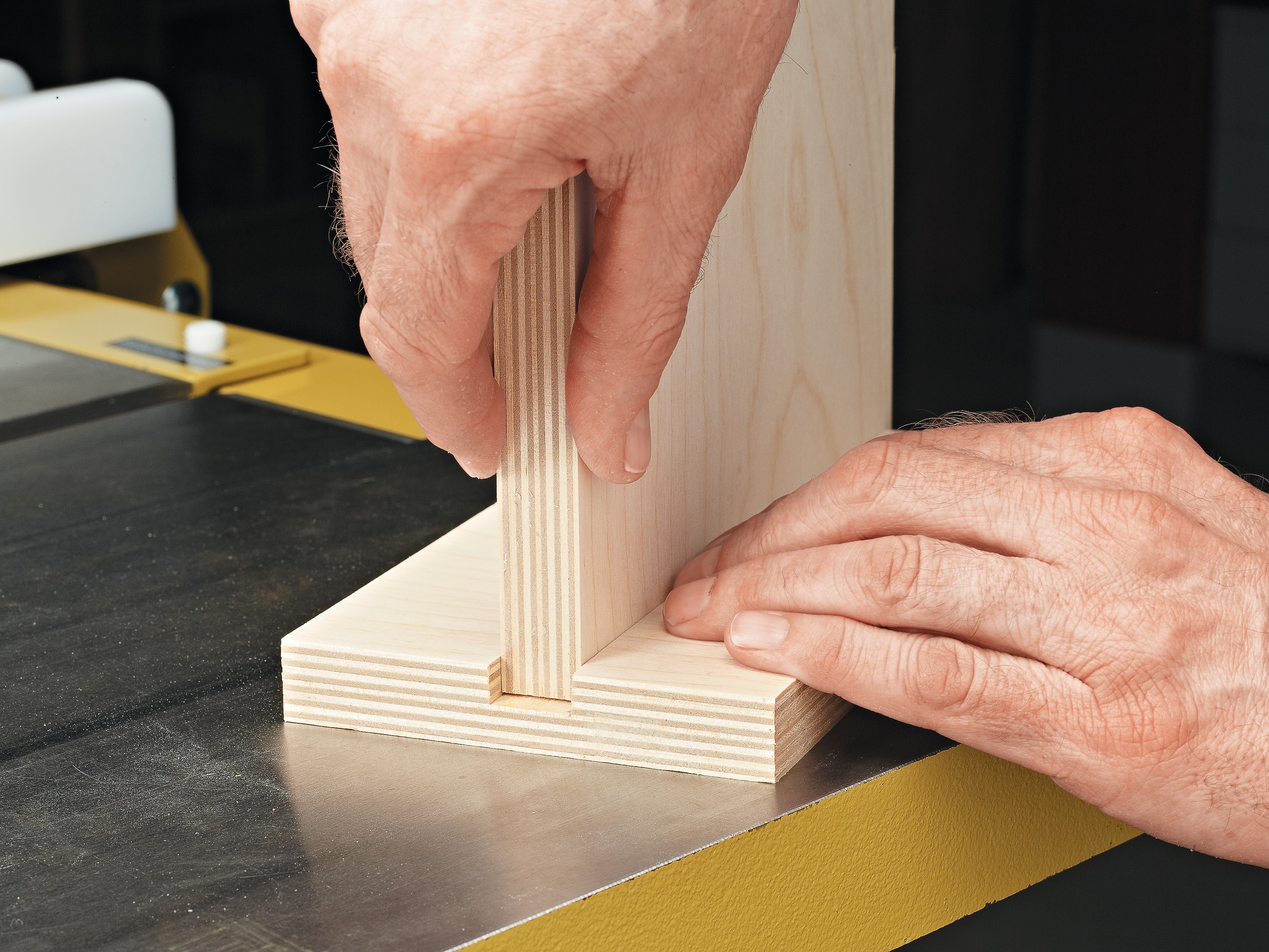 |
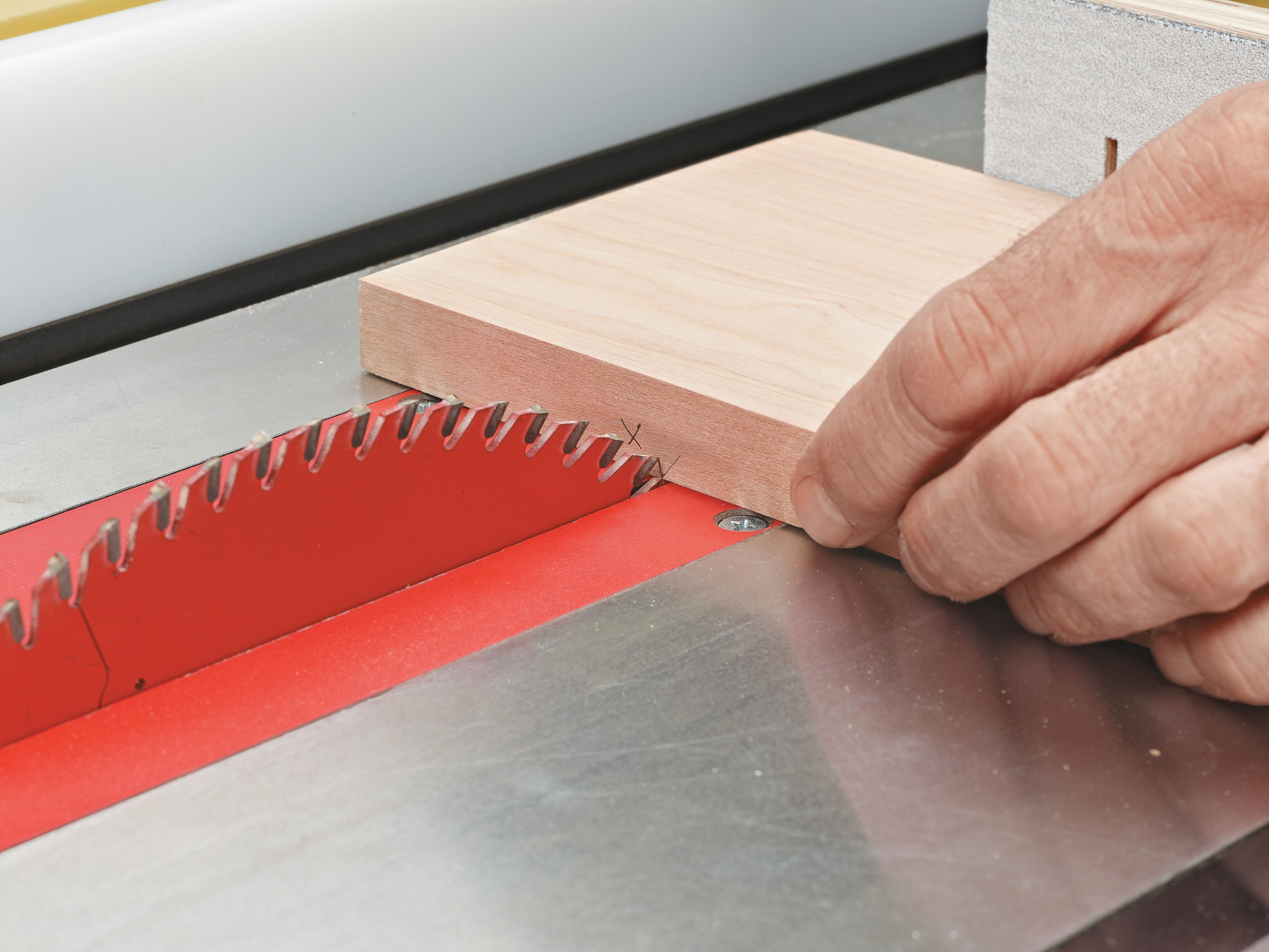
| Test the Fit. Sometimes, no amount of measuring takes the place of making test cuts. |
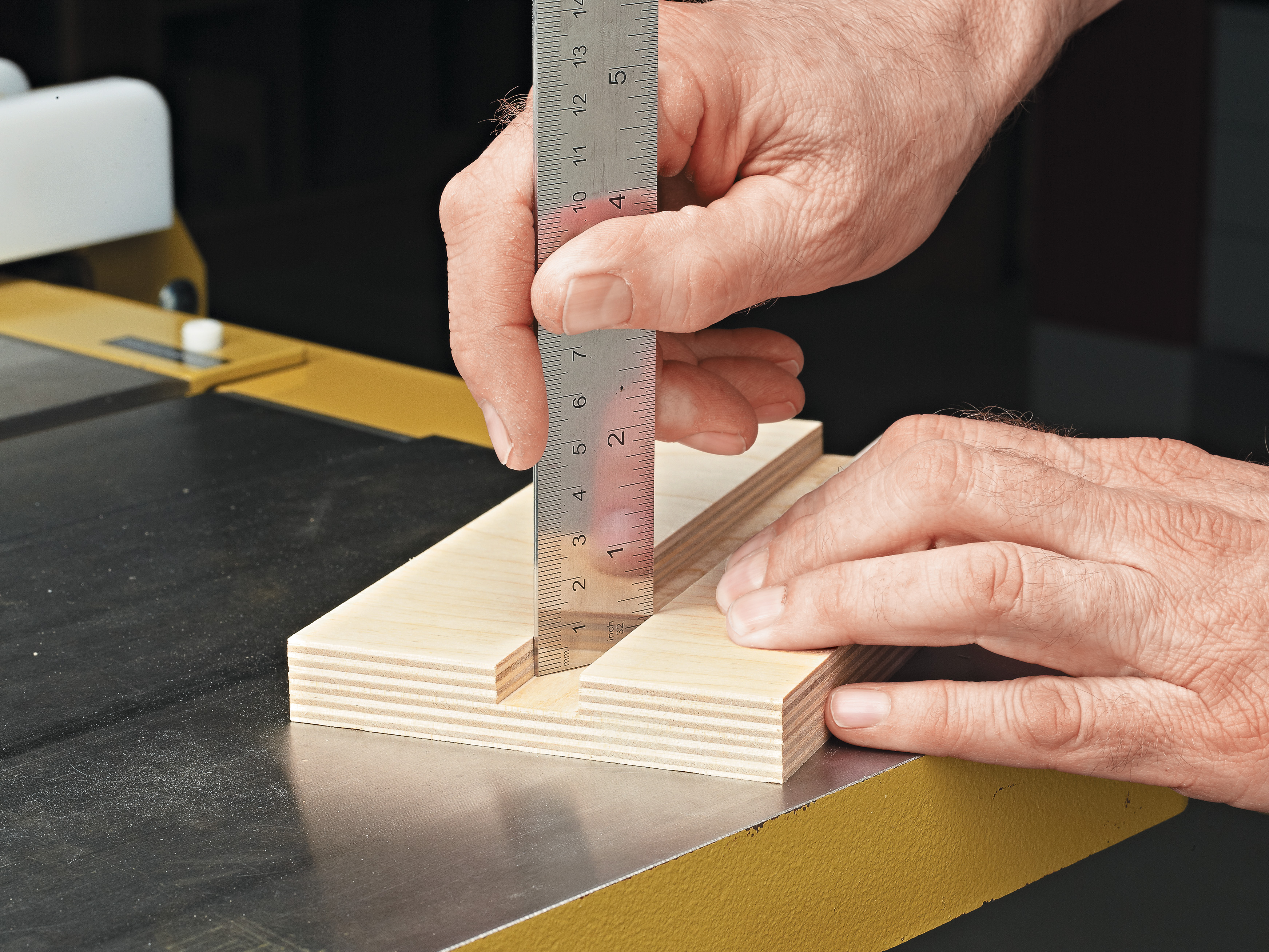 |
| Dado Depth. Rotate a rule across the width of a dado for an accurate depth measurement. |
 |
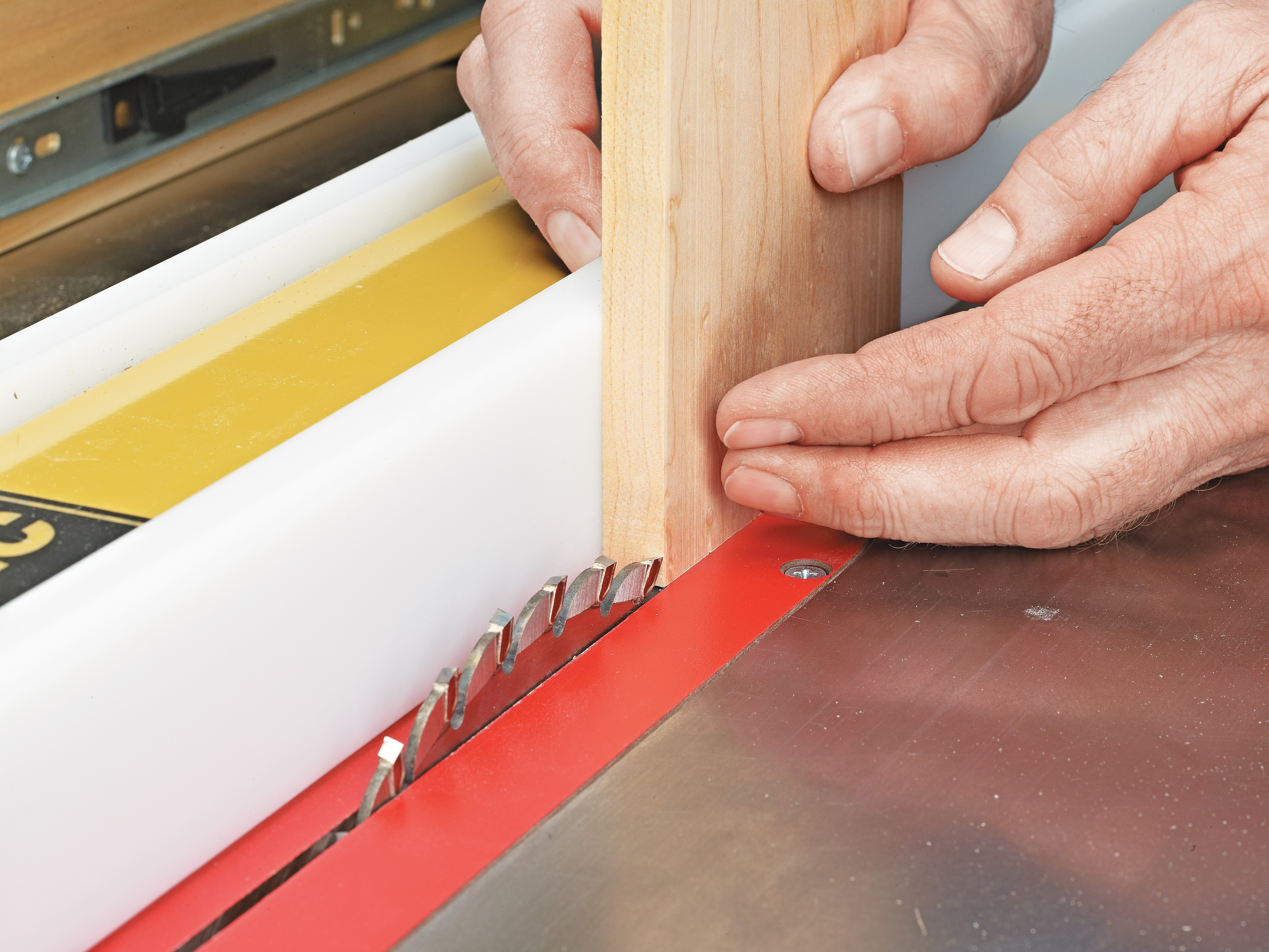 |
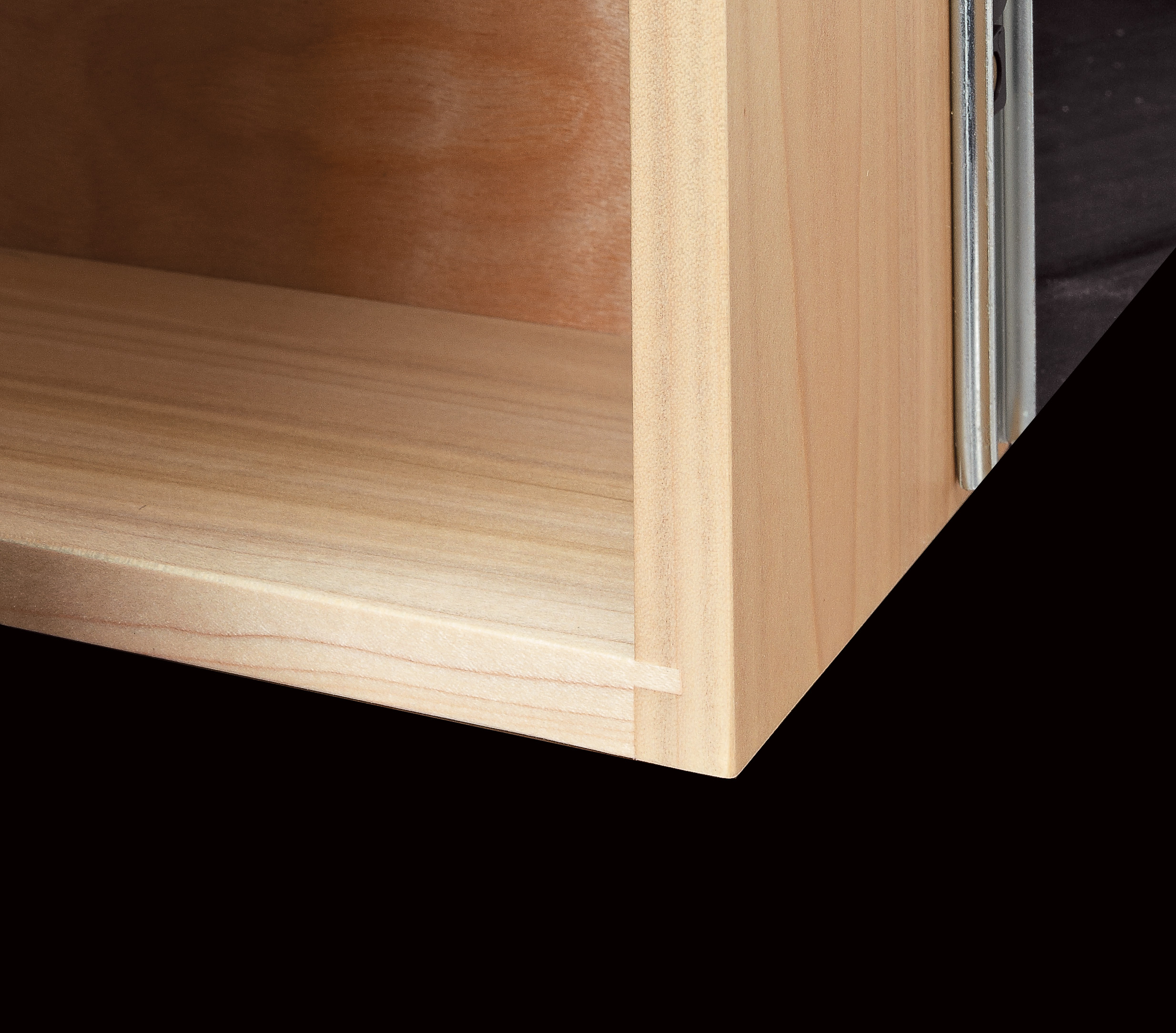
| Simple Setup. For joinery, use a mating workpiece for setup. Here, I’m using a drawer front to locate the dado cut in the drawer side. |