

5 Useful Tapes, Glues, and Adhesives for Woodworking
Walk into almost any woodworking shop, and you'll probably find a drawer or cabinet filled with rolls of tape, bottles of glue, and containers of wood filler. While some products are used every day, others come in handy for specific tasks that ordinary wood glue or masking tape can't handle.
Choosing the right woodworking adhesives and tapes can make a surprising difference in how efficiently you work. Double-sided tape can secure a routing template without clamps. Stretchable masking tape can hold small parts together during glue-up. And specialty adhesives can solve problems when working with difficult woods.
Here are five useful products worth keeping in your shop, along with practical ways to put them to work.
1. Double-Sided Tape for Woodworking Templates
Double-sided tape is one of the most versatile supplies in a woodworking shop. It's especially useful when you need to temporarily secure a workpiece or template without getting clamps in the way.
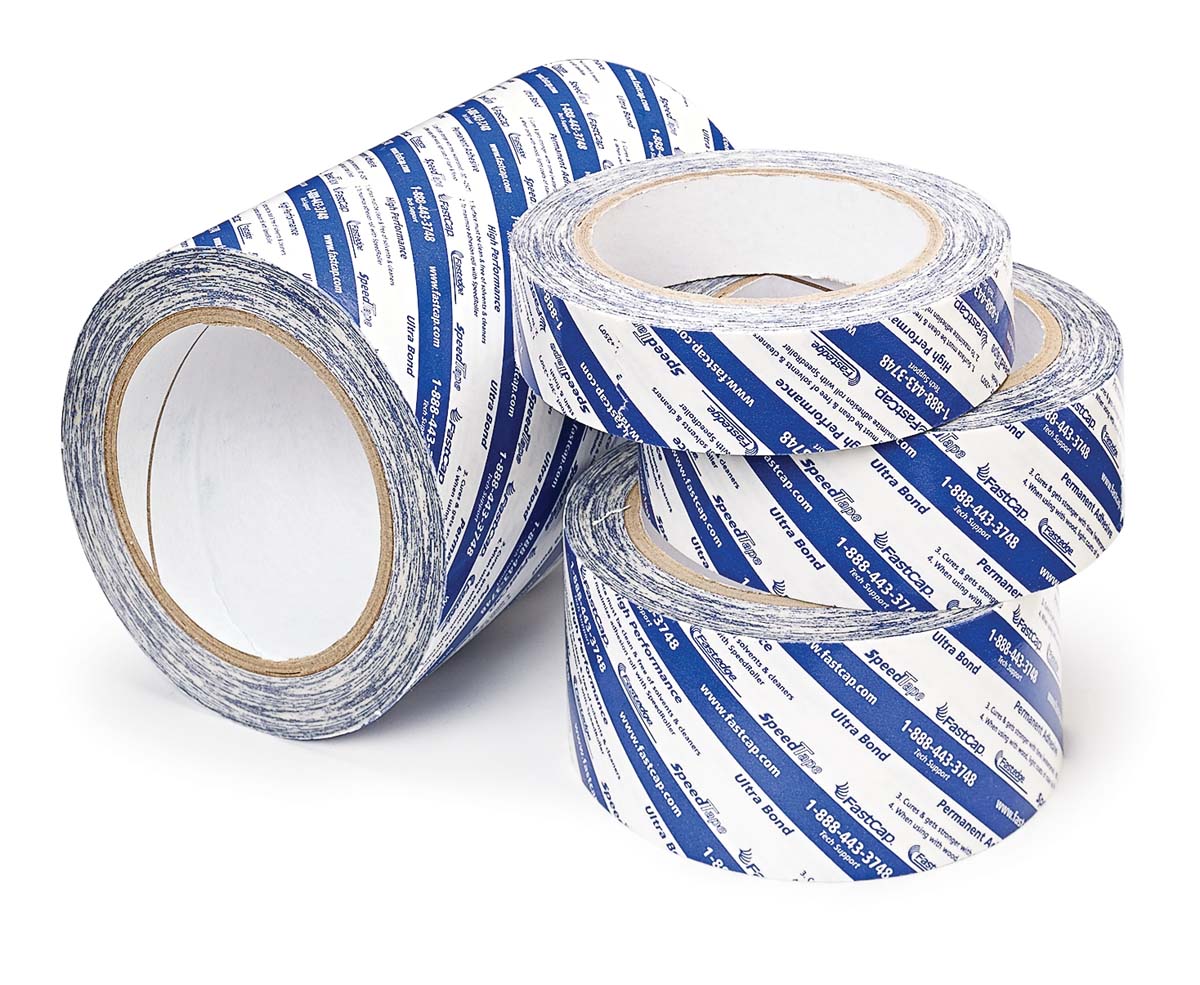
One option is FastCap SpeedTape, a thin, double-sided adhesive tape designed for woodworking and assembly tasks.
Why Thin Double-Sided Tape Works Well
The biggest advantage of thin double-sided tape is that it holds two surfaces close together.
When attaching a template for routing, thick mounting tape can create a small gap between the template and the workpiece. Depending on the router bit and bearing arrangement, that gap can affect the setup.
Thin tape helps keep the template seated flat against the workpiece while holding it securely in place.
This makes it useful for template routing, pattern work, and other operations where clamps would interfere with the tool.
Double-sided tape can also be used to attach thin edging or other lightweight components when the adhesive is suitable for the materials and intended use.

For permanent furniture joinery or structural connections, however, use an adhesive designed for that purpose.
Shop Tip: Before using double-sided tape to secure a routing template, test its holding strength on scrap material. Dust, finish, and surface texture can affect adhesion. The template must remain securely attached throughout the cut.
2. Masking Tape for Clamping Small Woodworking Parts
Not every glue-up requires a collection of bar clamps.
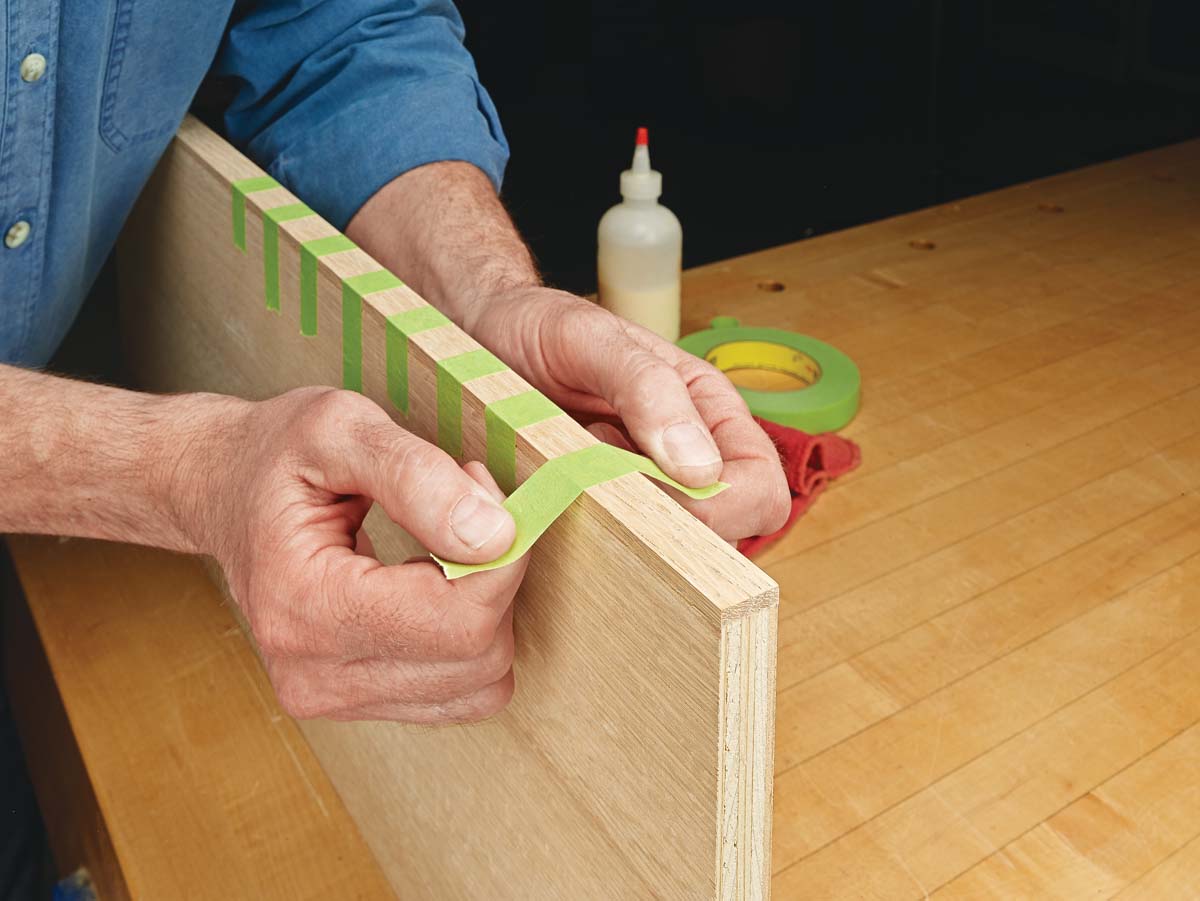
When assembling small parts, attaching delicate trim, or gluing awkwardly shaped pieces, masking tape can provide a convenient alternative.
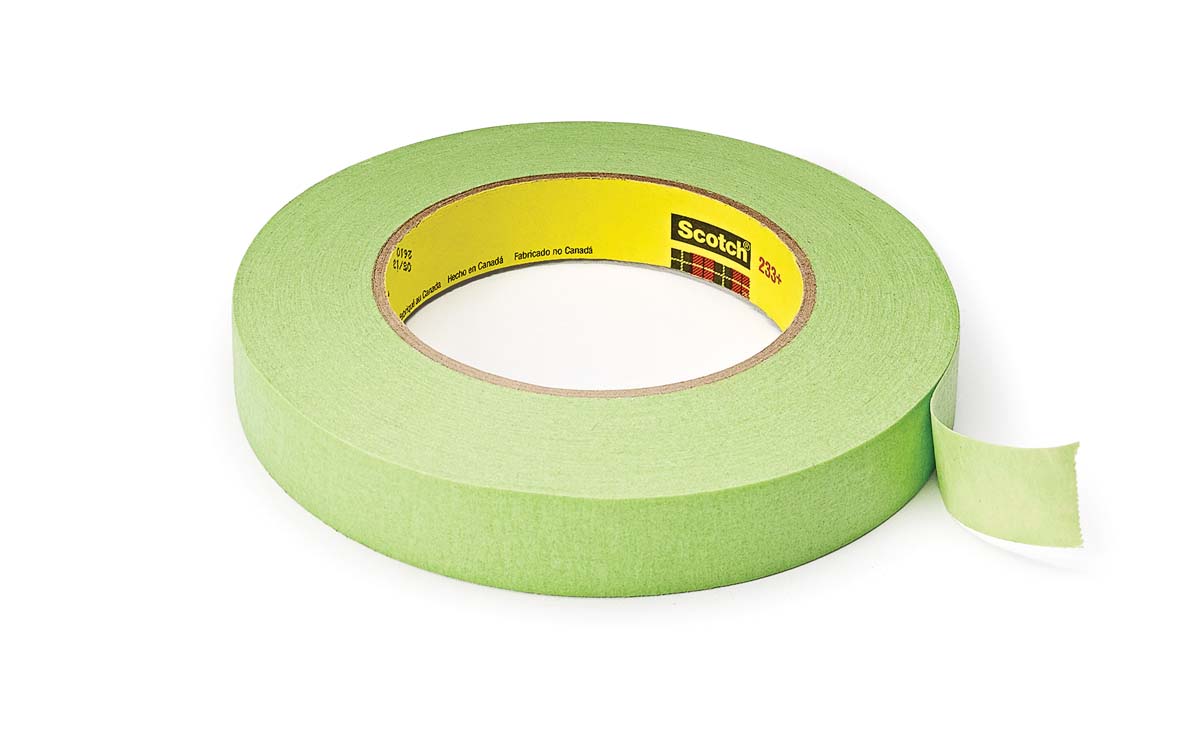
One tape that's particularly useful for this is 3M Scotch 233+ masking tape.
Originally developed for automotive refinishing, this tape combines a strong adhesive with enough flexibility to stretch slightly when pulled.
Use Tape as a Light-Duty Clamp
The technique is simple.
Apply glue to the mating surfaces, bring the parts together, and stretch a strip of tape across the joint.
As the tape tries to return to its original length, it applies pressure that helps hold the parts together.
This approach works particularly well for small moldings, decorative details, and assemblies that are difficult to clamp with conventional woodworking clamps.
The tape also conforms to irregular shapes, making it useful where a rigid clamp would be awkward.
Once the glue has cured, carefully peel away the tape.
Shop Tip: Masking tape is best for light-duty clamping where the parts already fit together well. It won't replace mechanical clamps when substantial pressure is needed to close a joint. Test the tape on finished or delicate surfaces before using it on a project.
3. CA Glue for Woodworking and Difficult-to-Glue Woods
Traditional PVA wood glue is an excellent choice for most woodworking projects. But certain materials and assembly situations call for something different.
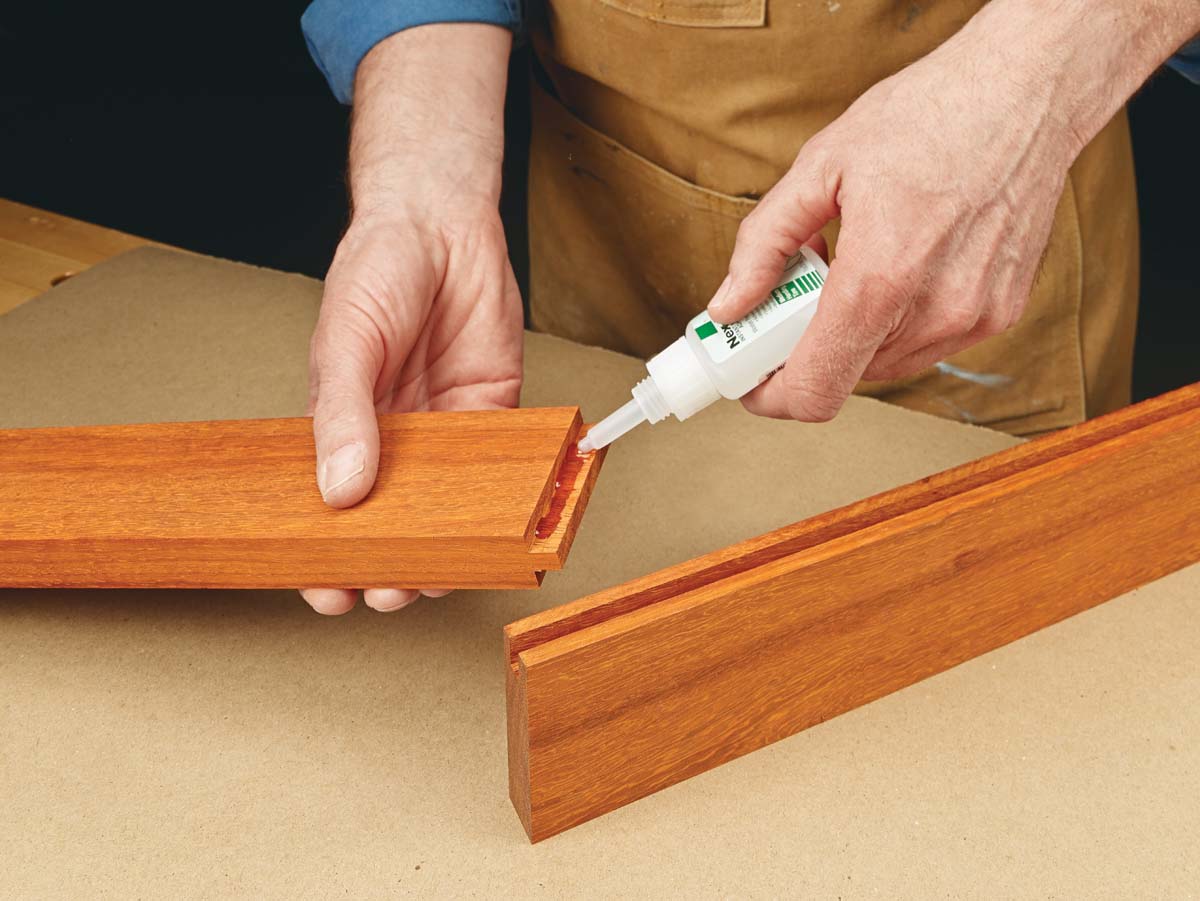
Some oily tropical hardwoods can be difficult to bond reliably with conventional water-based wood glue.
In these situations, cyanoacrylate glue, commonly called CA glue or instant glue, can be a useful option.
Choosing the Right CA Glue
CA adhesives are available in different formulations, viscosities, and setting times.
Thin CA glue flows readily into tight spaces and small cracks. Thicker formulations stay in place more easily and can help fill minor gaps.
Some specialty formulations also provide additional working time, which can be helpful when assembling parts that require careful alignment.
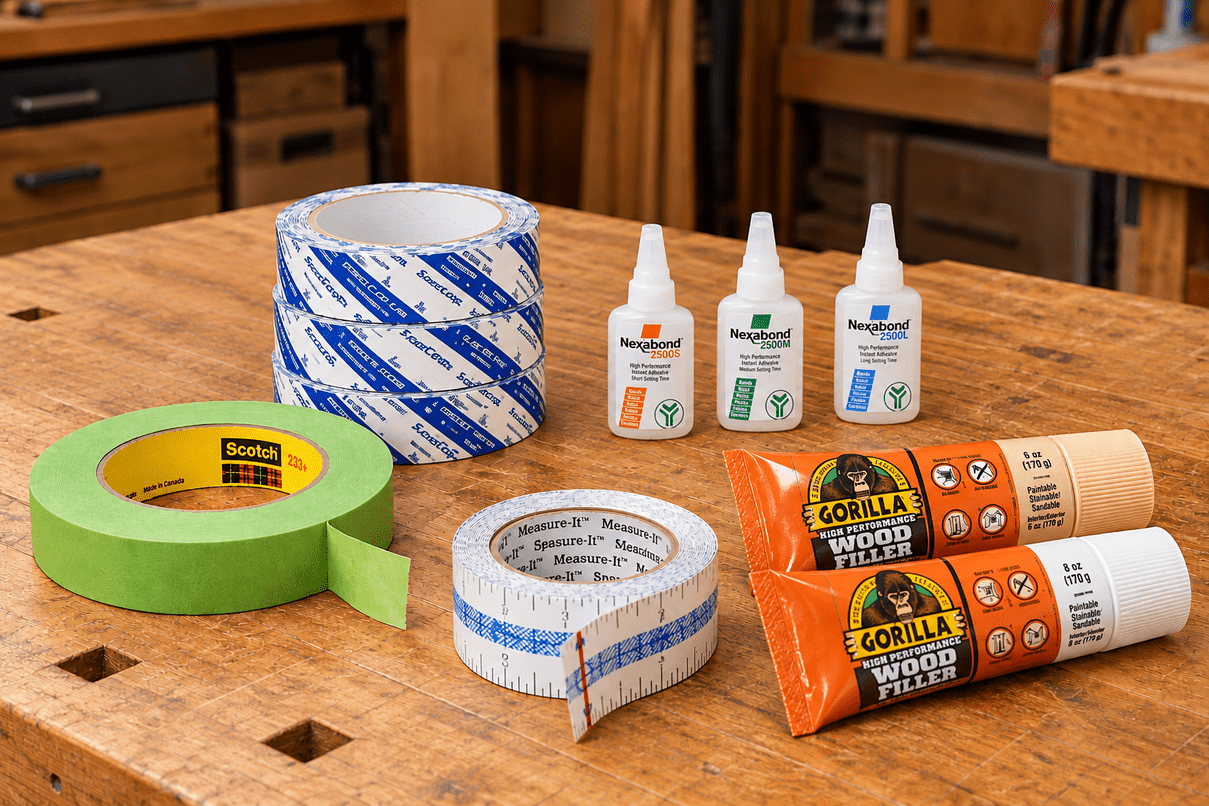
An example from the original group of shop products is Nexabond, which was offered in formulations with different handling times.
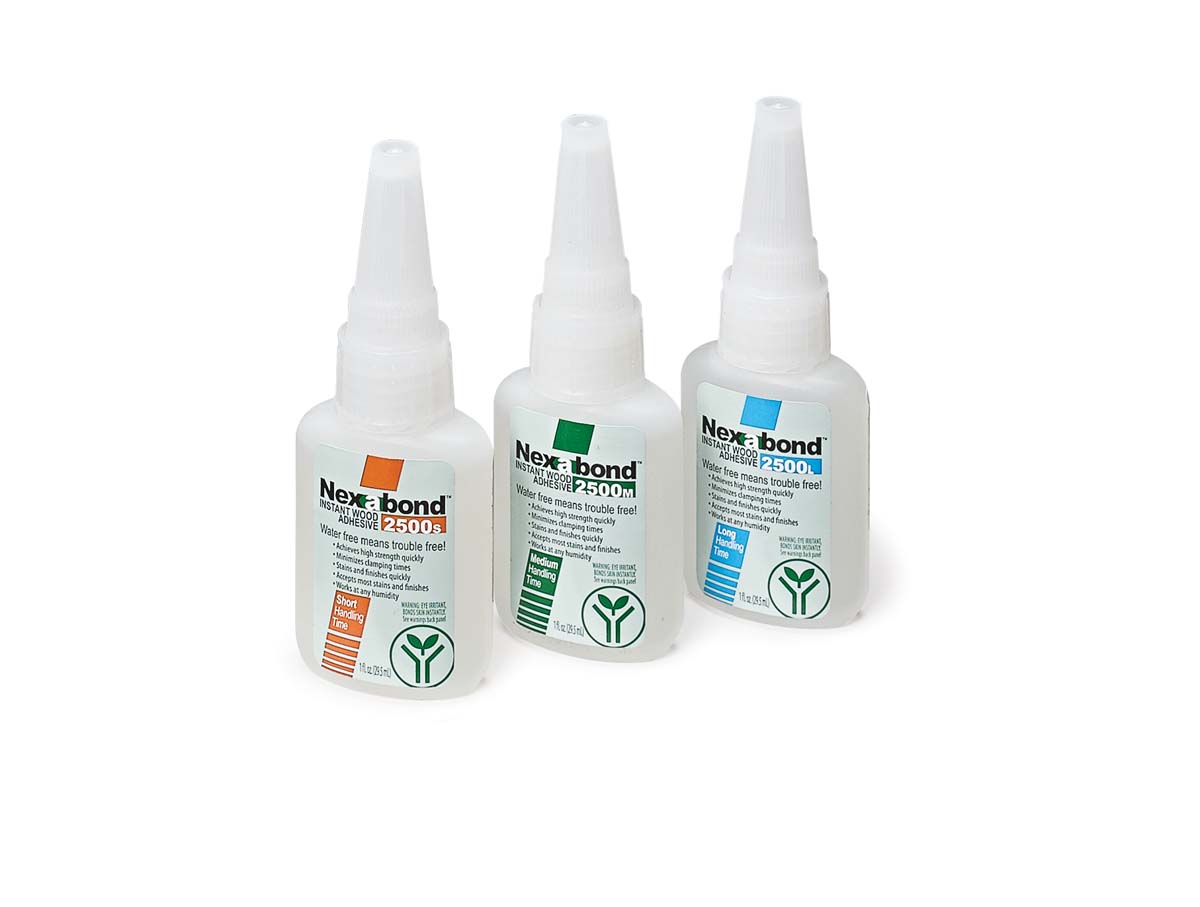
For current projects, products such as DAP RapidFuse may be worth considering, depending on the materials and application. However, not all fast-bonding adhesives have the same chemistry, working time, or suitability for oily woods.
Always check the manufacturer's instructions before choosing an adhesive for a particular joint.
Editor's Note: Since this article was originally published, Nexabond adhesive has been rebranded and is now sold under the DAP RapidFuse name. Look for DAP RapidFuse when shopping for this type of adhesive.
When to Use CA Glue Instead of Wood Glue
CA glue is useful for small repairs, attaching minor components, and certain applications involving difficult-to-bond materials.
Because it doesn't rely on water to cure, CA glue also avoids the temporary swelling of wood fibers associated with water-based adhesives.
However, its fast setting time can make complex assemblies difficult, and not every formulation is suitable for structural joinery.
For oily hardwoods, clean and prepare the bonding surfaces according to the adhesive manufacturer's recommendations, and test the bond on scrap before committing to a project.
4. Removable Measuring Tape for Accurate Layout
Not every useful tape in the workshop is an adhesive for joining parts.
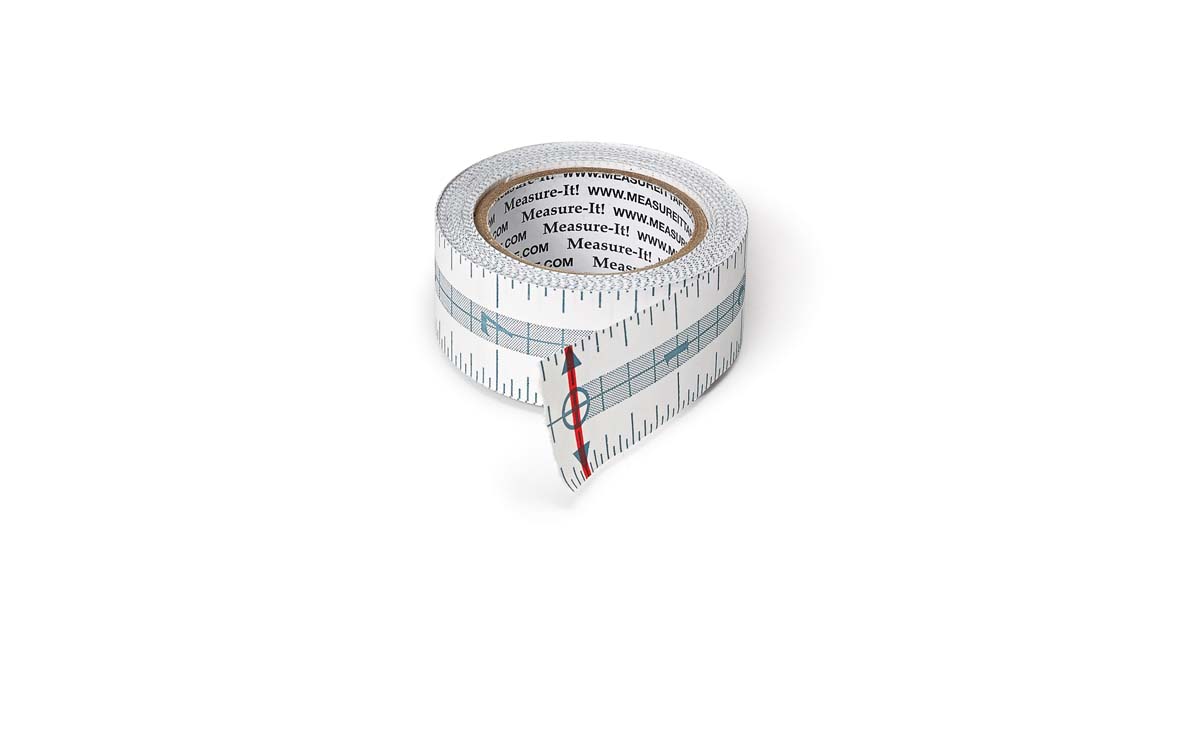
Measure-It Tape combines a printed measuring scale with a removable adhesive backing, making it a handy layout tool for woodworking and installation projects.
Unlike an ordinary tape measure, this measuring tape can be temporarily attached directly to a wall or workpiece.
Simplify Wall Layout and Installation
One of the best uses for removable measuring tape is laying out mounting locations for wall-hung projects.
For example, when installing a cabinet or shelf, you may need to identify several stud locations and transfer mounting measurements to the wall.
Instead of repeatedly extending a tape measure and marking individual locations, apply a strip of Measure-It Tape to the wall.
The printed scale provides a continuous reference, while the paper-like surface allows you to make notes with a pencil or pen.
The tape also includes markings at 16" intervals to help with common stud-spacing layouts.
These markings are useful references, but they don't confirm where studs are actually located. Always verify stud positions before drilling or installing fasteners.
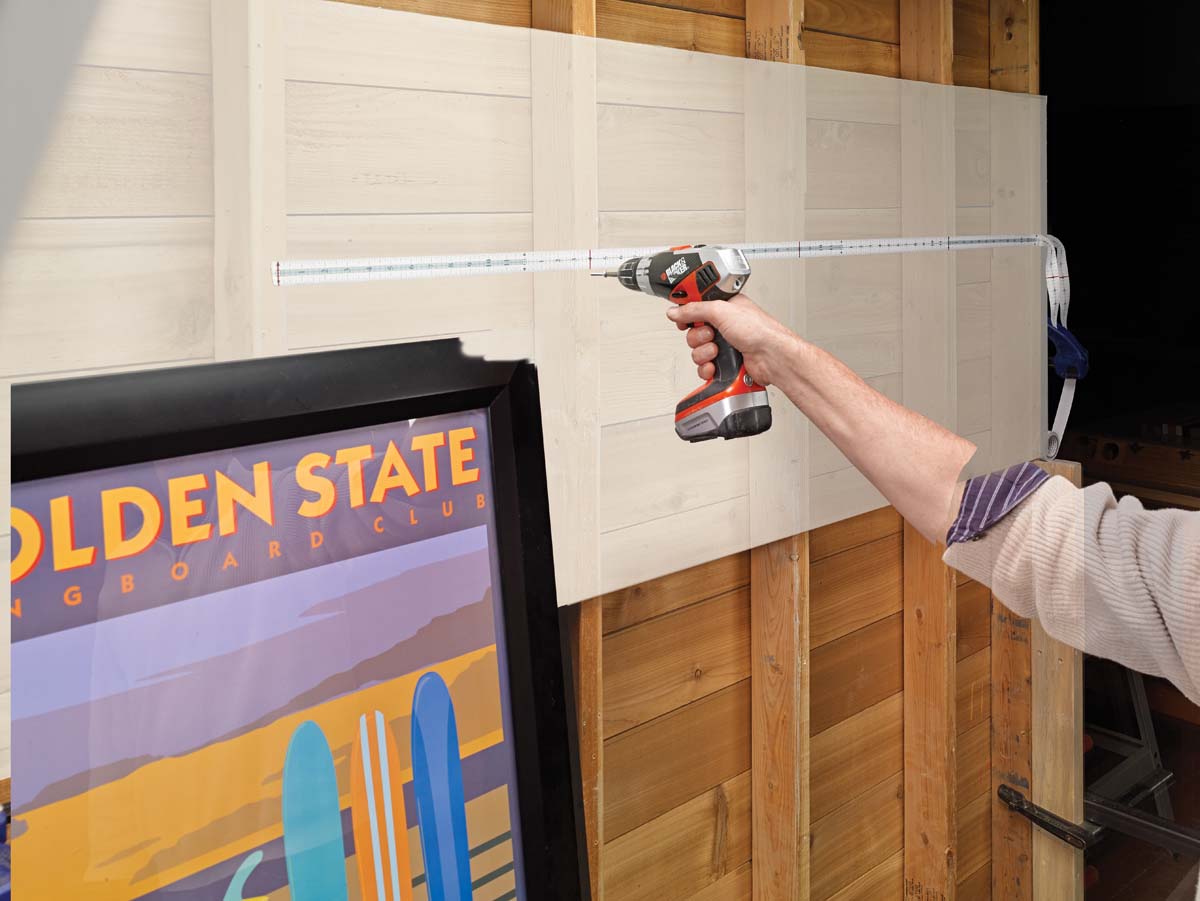
Because the adhesive is designed to be removable and repositionable, the tape can be moved as needed during layout.
Shop Tip: Removable measuring tape is also handy for laying out evenly spaced hooks, shelf supports, and other hardware. Test it on delicate painted or finished surfaces before applying it.
5. Wood Filler for Repairing Cracks and Imperfections
Even carefully selected lumber can contain knots, small cracks, and other imperfections.
Rather than discarding an otherwise useful board, you can often repair minor defects with wood filler.
Gorilla Wood Filler is one option for filling small cracks, voids, and surface imperfections before sanding and finishing.
Filling Cracks and Knots in Wood
Start by removing loose debris and dust from the damaged area.
Apply the wood filler and press it into the crack or void, following the manufacturer's directions.
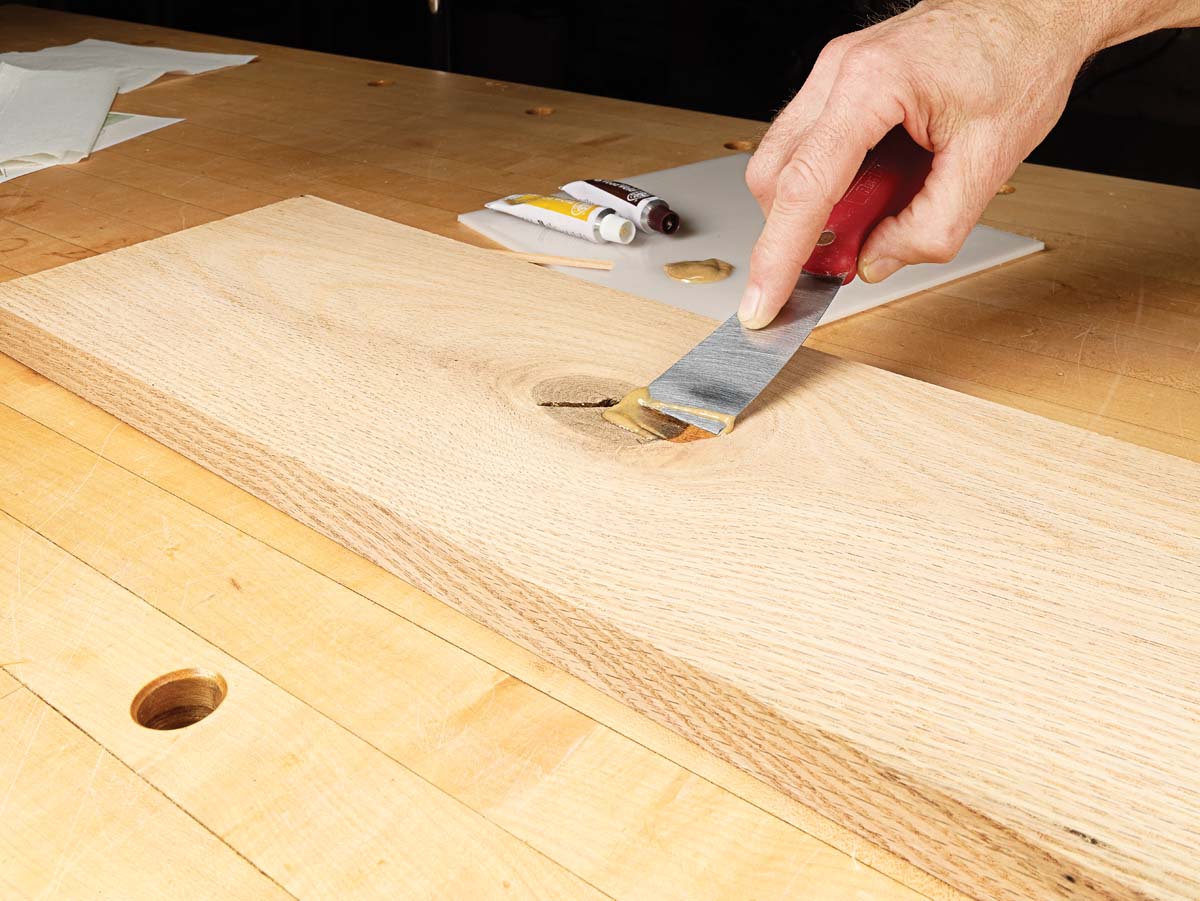
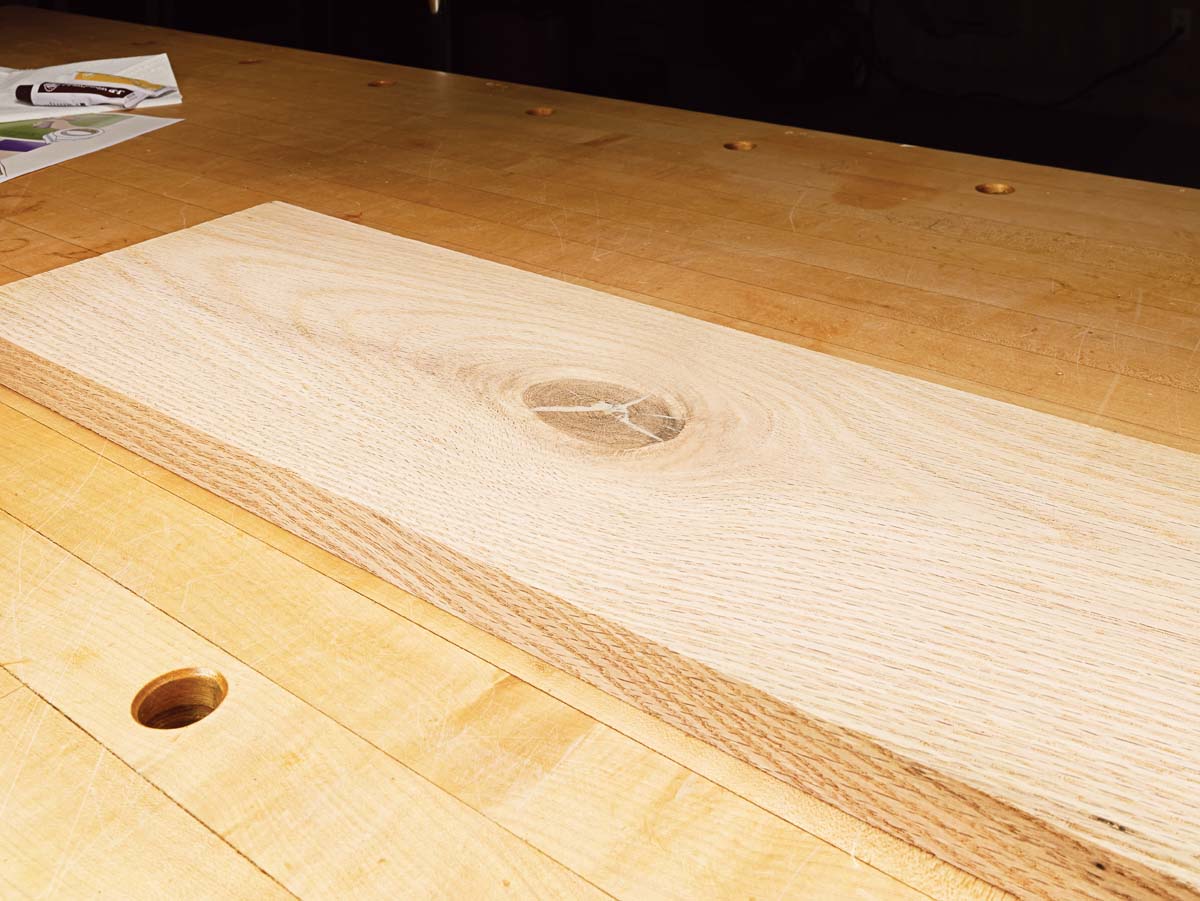
Slightly overfill the damaged area if necessary to allow for sanding after the material dries.
Use a putty knife or similar tool to remove excess filler and smooth the surface.
Once the filler has dried sufficiently, sand the repair flush with the surrounding wood.
Gorilla Wood Filler has been offered in Natural and White colors, with formulations intended to accept paint and stain.
However, even stainable fillers may absorb color differently than the surrounding wood.
For the most consistent results, test the filler and your chosen finish on a scrap piece before using it on a visible area of a project.
Know When Wood Filler Is Appropriate
Wood filler works well for cosmetic repairs, but it isn't a substitute for sound joinery or structural repairs.
Large splits, loose joints, and damaged load-bearing components may require a different repair method.
For small knots, shallow cracks, and minor surface defects, though, wood filler can help produce a smooth surface that's ready for finishing.
Choose the Right Tape or Adhesive for the Job
There isn't one tape or adhesive that handles every woodworking task.
Double-sided tape is useful for securing templates and lightweight components. Stretchable masking tape can act as a temporary clamp for small glue-ups. CA glue offers another option for specialty bonding and repairs.
Removable measuring tape makes layout easier, while wood filler helps correct surface imperfections before finishing.
The key is understanding what each product does best and keeping the ones you use most often close at hand.
With a few carefully chosen tapes and adhesives in your shop, you'll be ready to handle everything from tricky glue-ups to accurate layout and last-minute repairs.
Choosing the Right Glue for Woodworking
EXPLORE WOODWORKING GLUES → Get Better Results from Every Glue-Up
Not all woodworking glues are created equal. From traditional PVA wood glue to fast-setting CA adhesives, each type has its advantages. Learn how to choose the right glue for different materials, joinery, and assembly tasks.