

It’s amazing what a good profile can do for a project. In my office, I keep the first cabinet I ever made, a pretty simple nightstand from shop class. It’s a nice benchmark to keep nearby and see how far I’ve come.
When guests find out what I do for work, they ask what I’ve made, and when it comes to that nightstand they don’t notice that the holes stuffed with wood filler from rehanging the door, or the spot where I missed some squeezed-out glue, which now refuses to take any stain. Instead, they look at the ogee routed along the edge of the top and say, “Ooh, I like that edge.”
For layfolk and woodworkers alike, an edge profile is a key focal point on any project. And, given the deluge of router bits you can find, the options aren’t slim. In these final pages, I’d like to share some of our staff’s current favorite profiling bits. Don’t consider this a list of “Best Bits” or “Must-Haves,” but rather a reason to try out a new bit on your next project, or blow the dust off some old ones.
CHAMFER.
The uncontested favorite is the chamfer bit. These are about as simple as you get for profiling bits. A 45° chamfer bit with a 1⁄4" shank is easy to use in a trim router and ideal for easing edges. This works particularly well for painted or laminated tops, like the one at left, as it creates a crisp edge to contrast the applied color with the wood.
Chamfer bits are functional as well. They can be used to chamfer dowel holes, create dust relief on a stop or fence, or cut into a wide blank when making something such as glass stops.
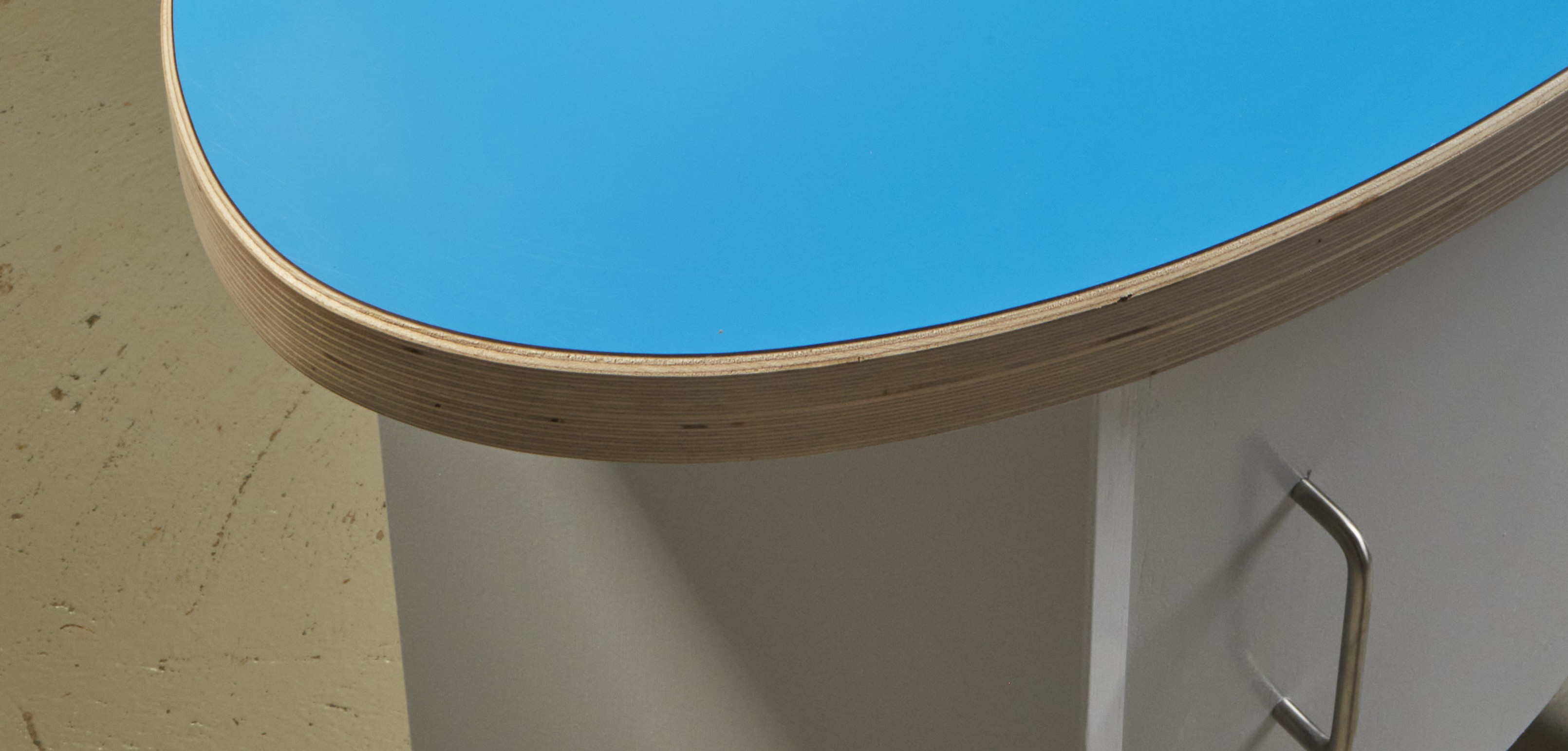 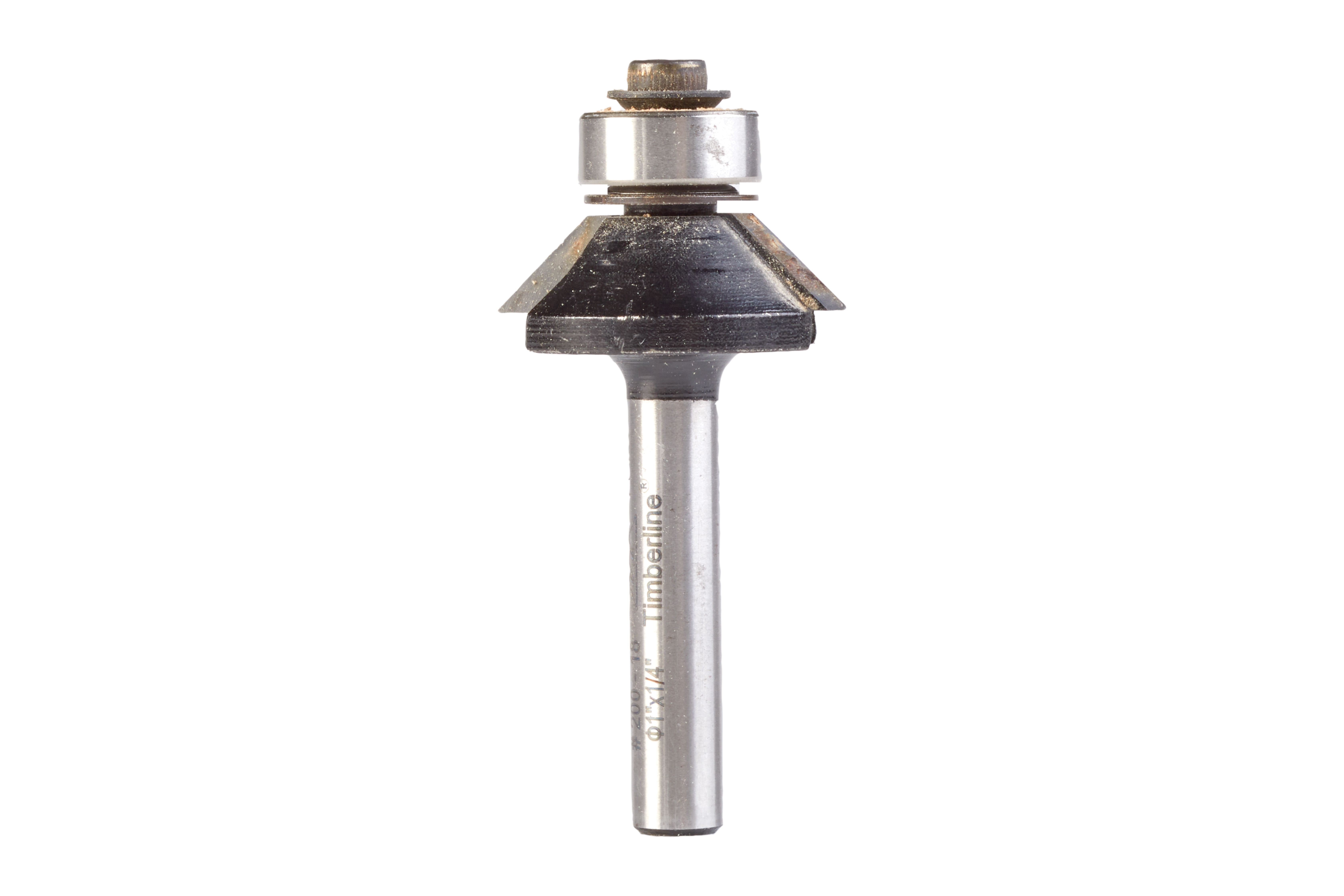 |
| A chamfer creates a clean, light-catching facet across the corner of a piece. This works especially well with applied surfaces like paint or laminate. |
BEADING BIT.
Our second favorite bit is a classic for trim and molding: the beading bit. The bead bit creates is a pleasant, rounded accent to add on frames or drawers (as you can see above). More than a simple roundover, it also creates a distinct shadow line, or “quirk.” This adds a greater sense of depth than many other profiles can. The beading bit is also great to combine with other bits to form more complex proles for molding.
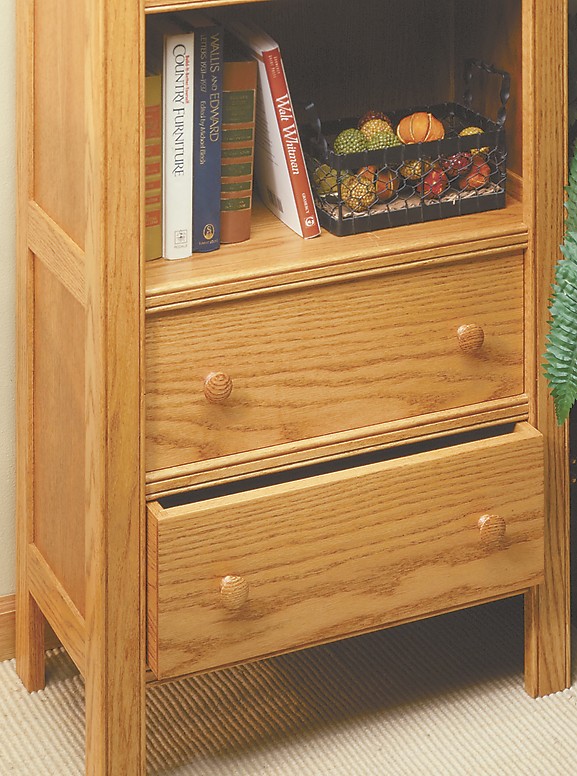 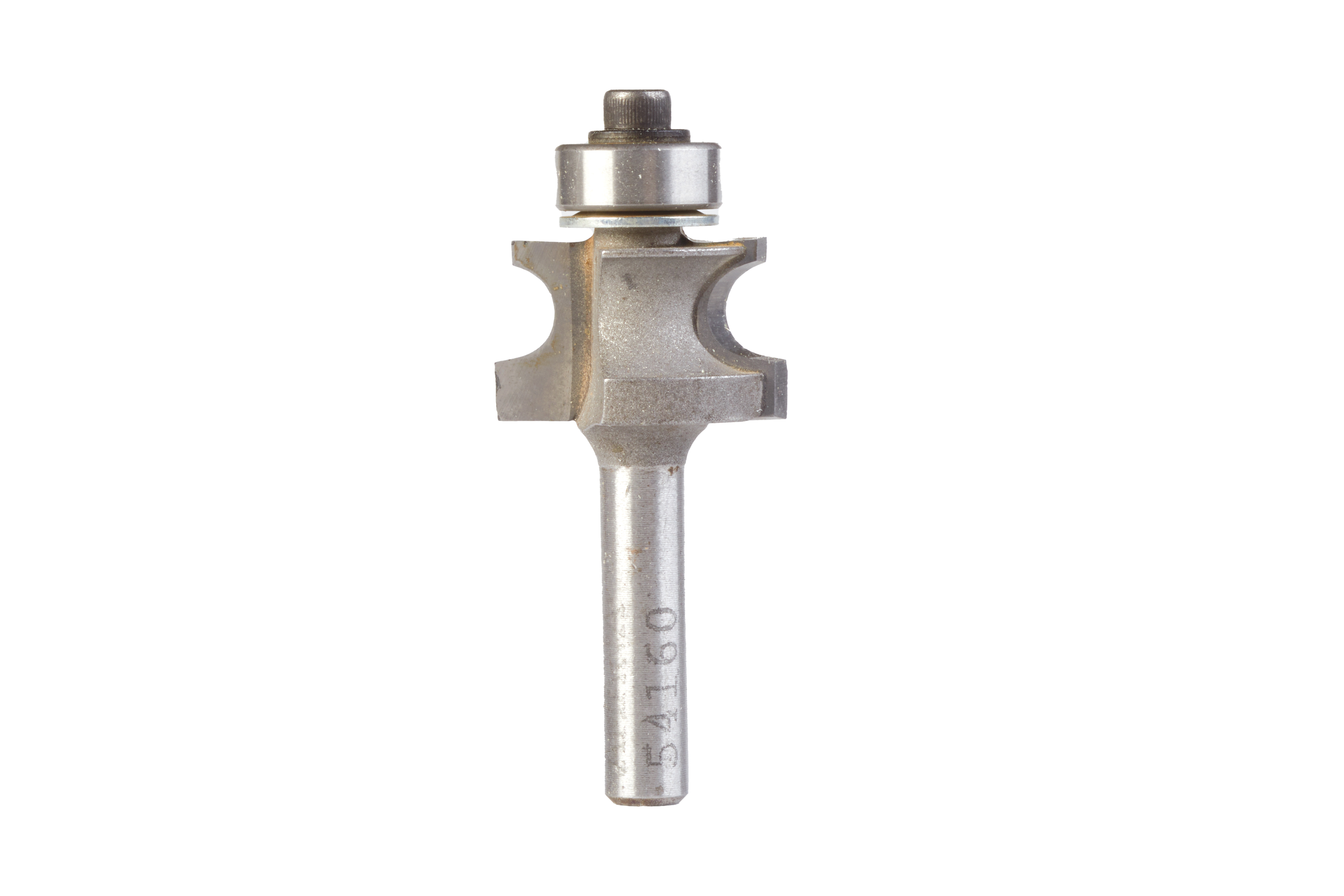 |
| Beads are an excellent, subtle detail to add on a project. The round bead is highlighted by the shadow line, or quirk, adjacent to it. |
BULLNOSE BIT.
Relatedly, another favorite proved to be the bullnose bit. A bullnose bit is a scaled-up beading bit, which lets it function slightly different. Rather than adding a small detail to a profile, a bullnose bit creates the profile. The full-round across an edge grants a much softer look. Plus, the fillets at the top and bottom can create a stepped profile to accompany the round.
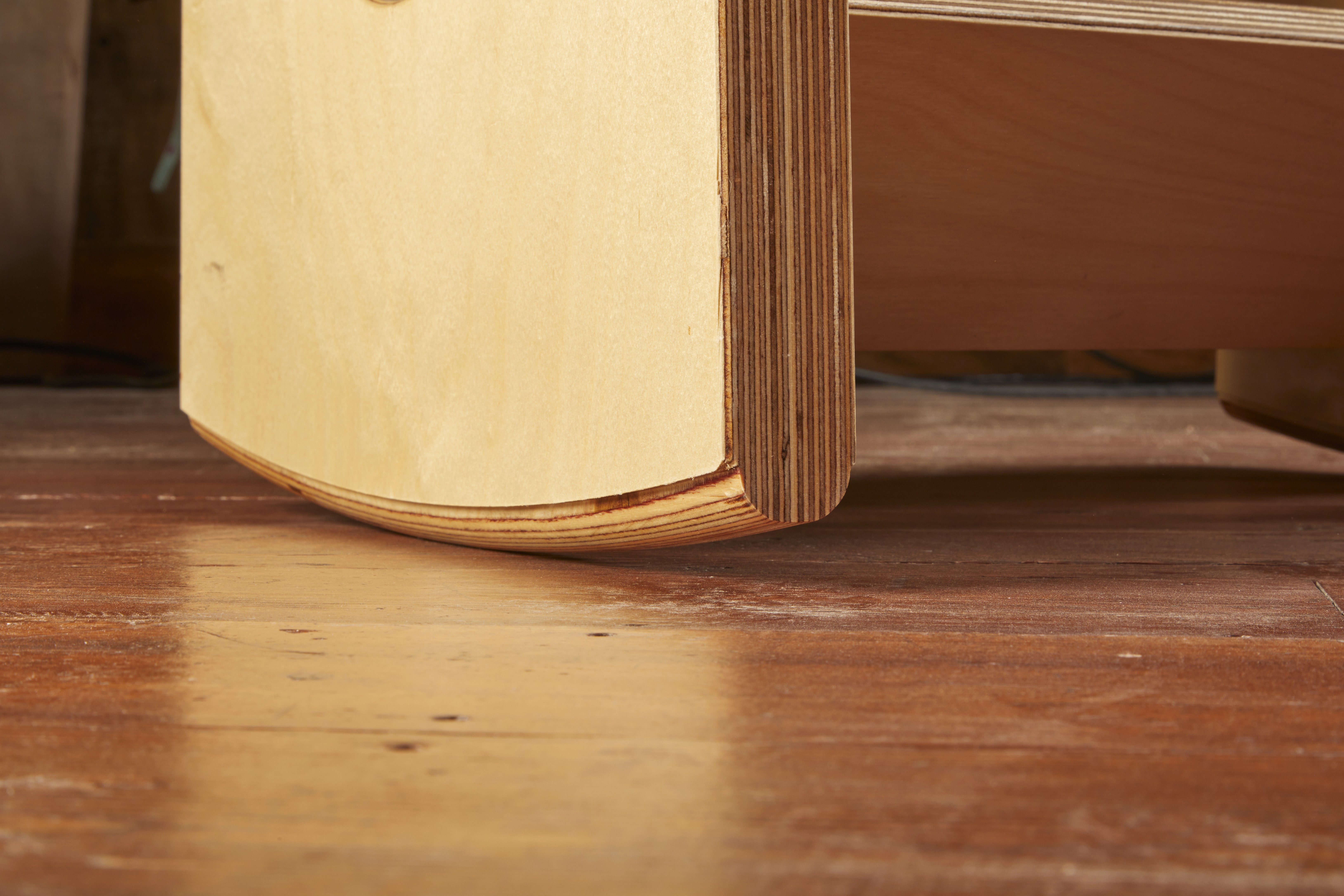 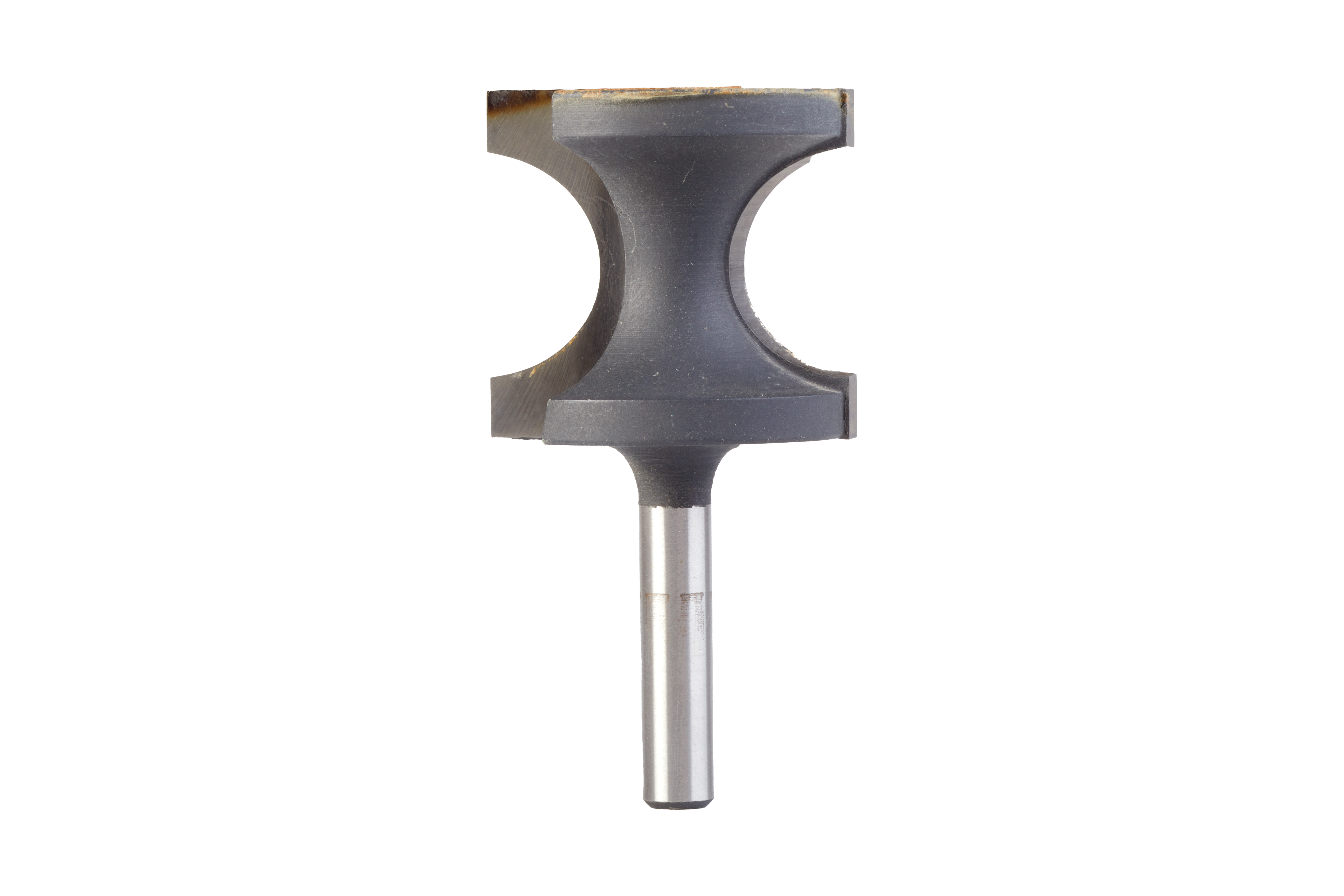 |
| A bullnose bit is a simple yet elegant profile for thicker tops and edges, as well as the feet on this plywood rocking stool. |
EDGE FILLET BIT.
A bit that came to our recent attention, and then fascination, has been the edge fluting bit. This is the inverse of a bullnose bit, creating a cove rather than a round. It was used on the edges of the Serving Tray Table in issue 281. Combined with a round-over underneath, it creates an S-shaped profile. This bit isn’t one we’ve used much before, it’s one we’ll definetly use again.
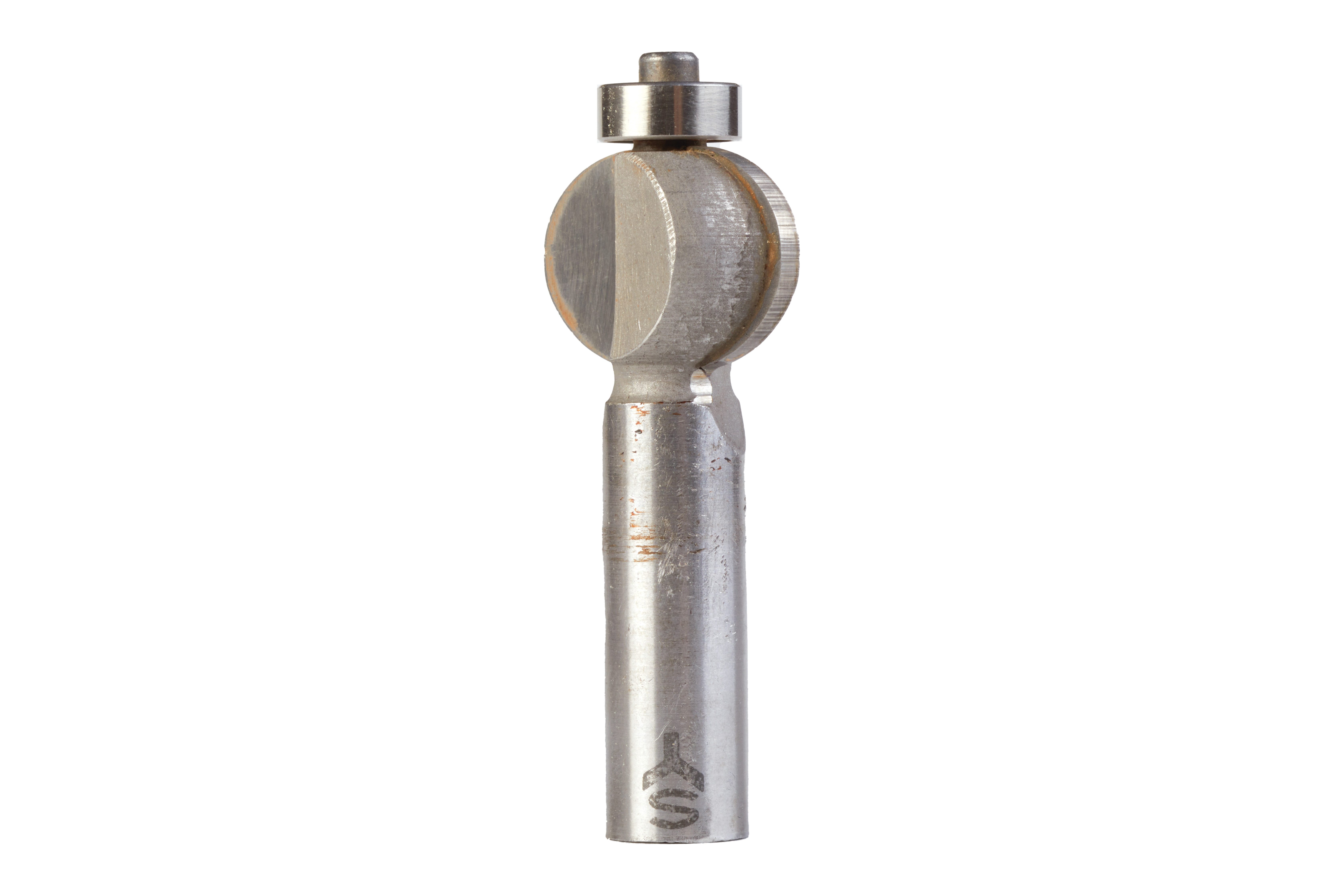 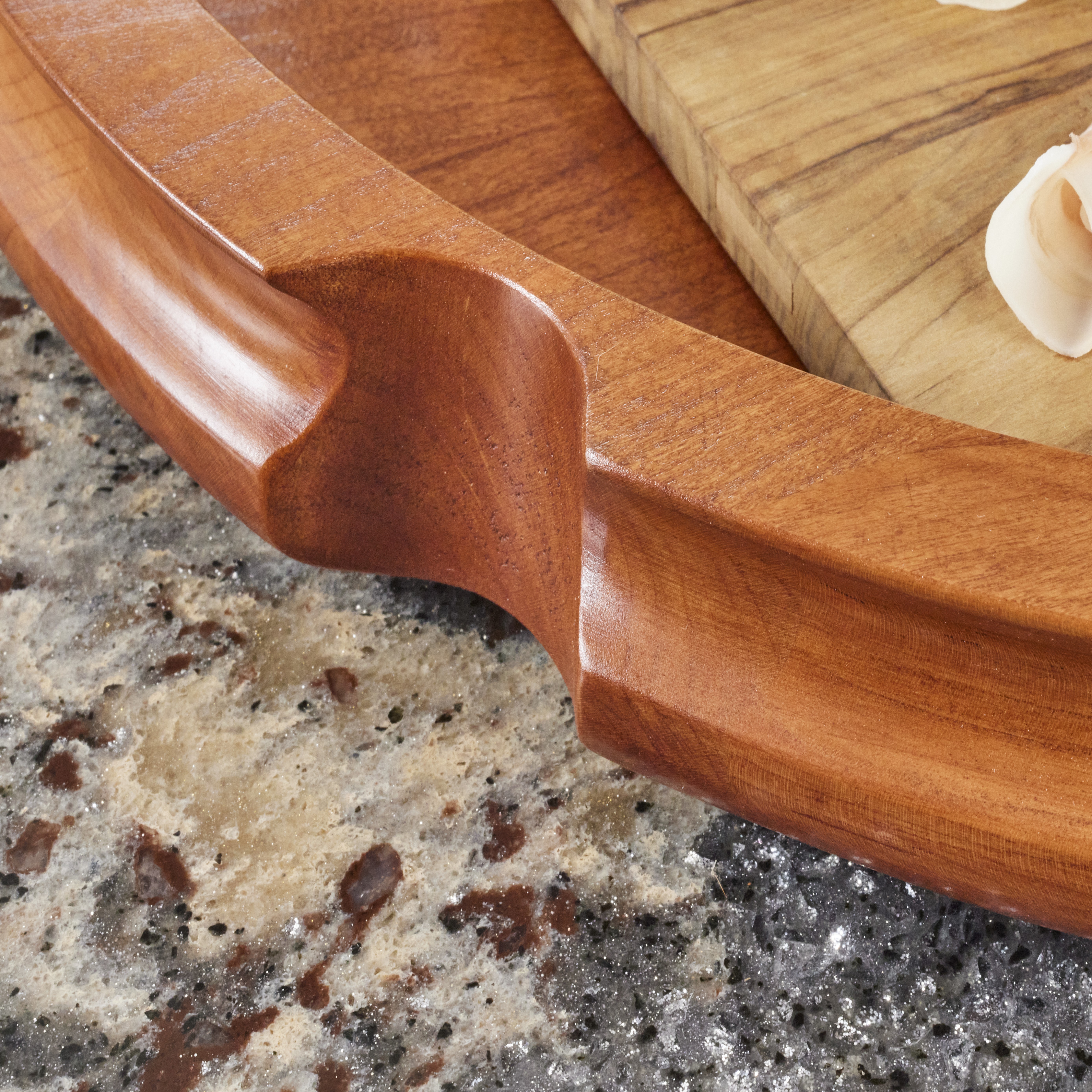 |
| With two semicircular cutters, an edge fluting bit serves the opposite function as a bullnose, cutting a full cove into the edge of a workpiece. |
HONORABLE MENTIONS.
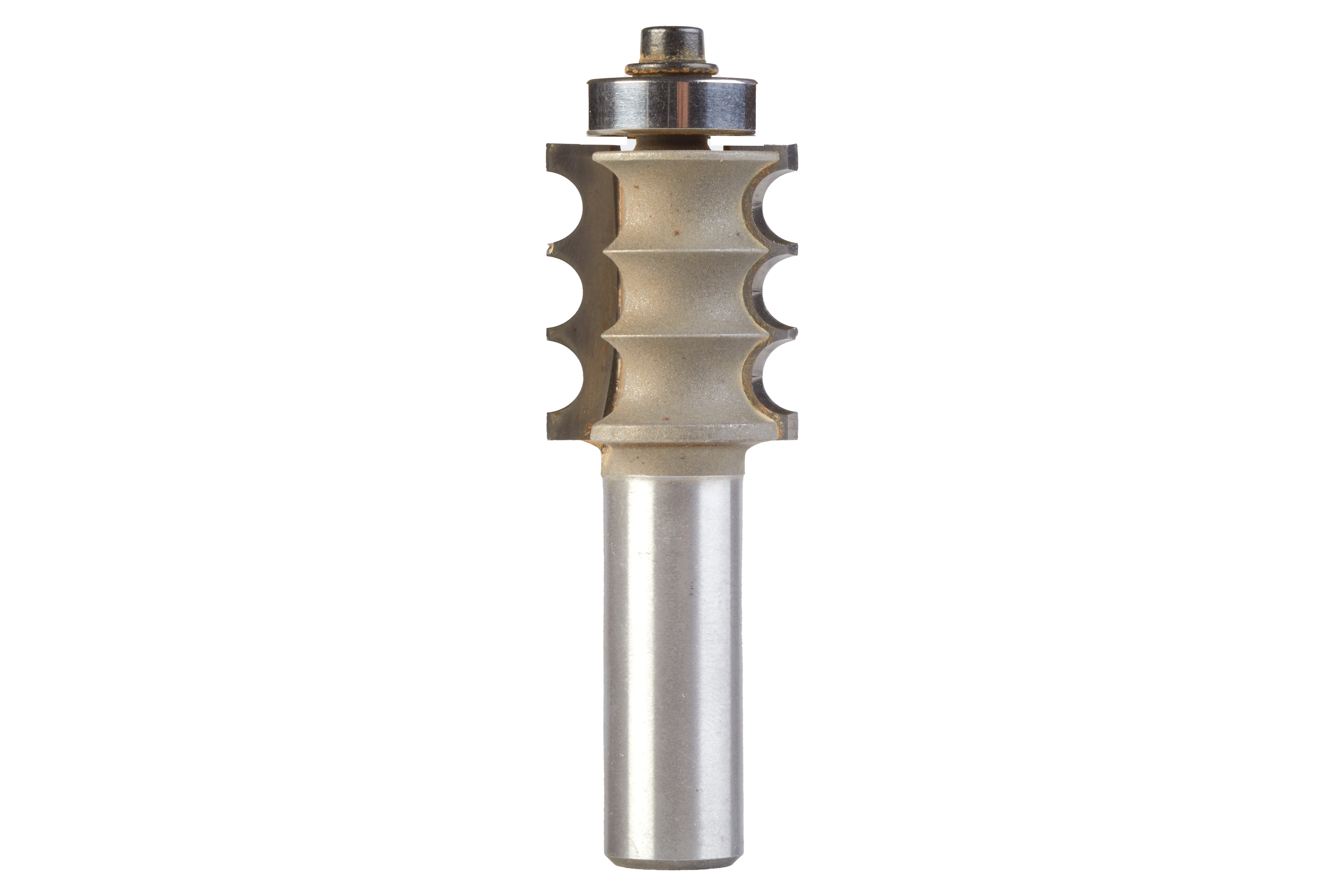
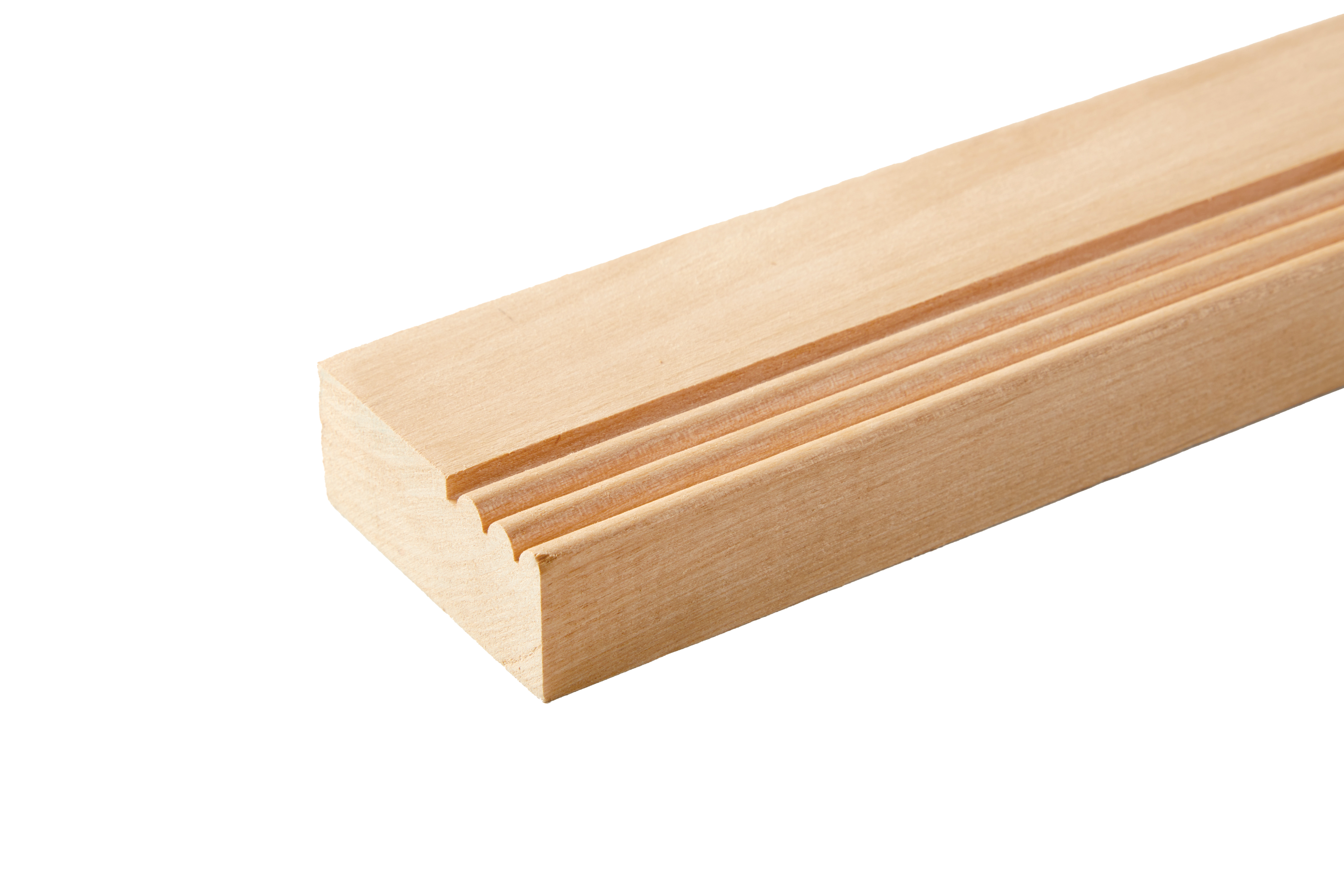
There are two more bits worthy of discussion: the triple bead bit and the cove and bead bit. These aren’t as versatile as the others we’ve looked at, but they’re still useful. The triple bead works well on frames, trim, and molding and can be combined with a cove or ogee for some pretty unique designs.
The cove and bead bit is a nice choice for tops and lids. It some-what resembles the Roman ogee, but with a fillet down the center that creates a distinctive quirk to break up the design. Profiles are a matter of taste. Whether you prefer a simple chamfer or an elegant ogee, I hope these pages encourage you to explore. Dust off old bits, or make a leap and try something new you never know what your next favorite could be.
  |
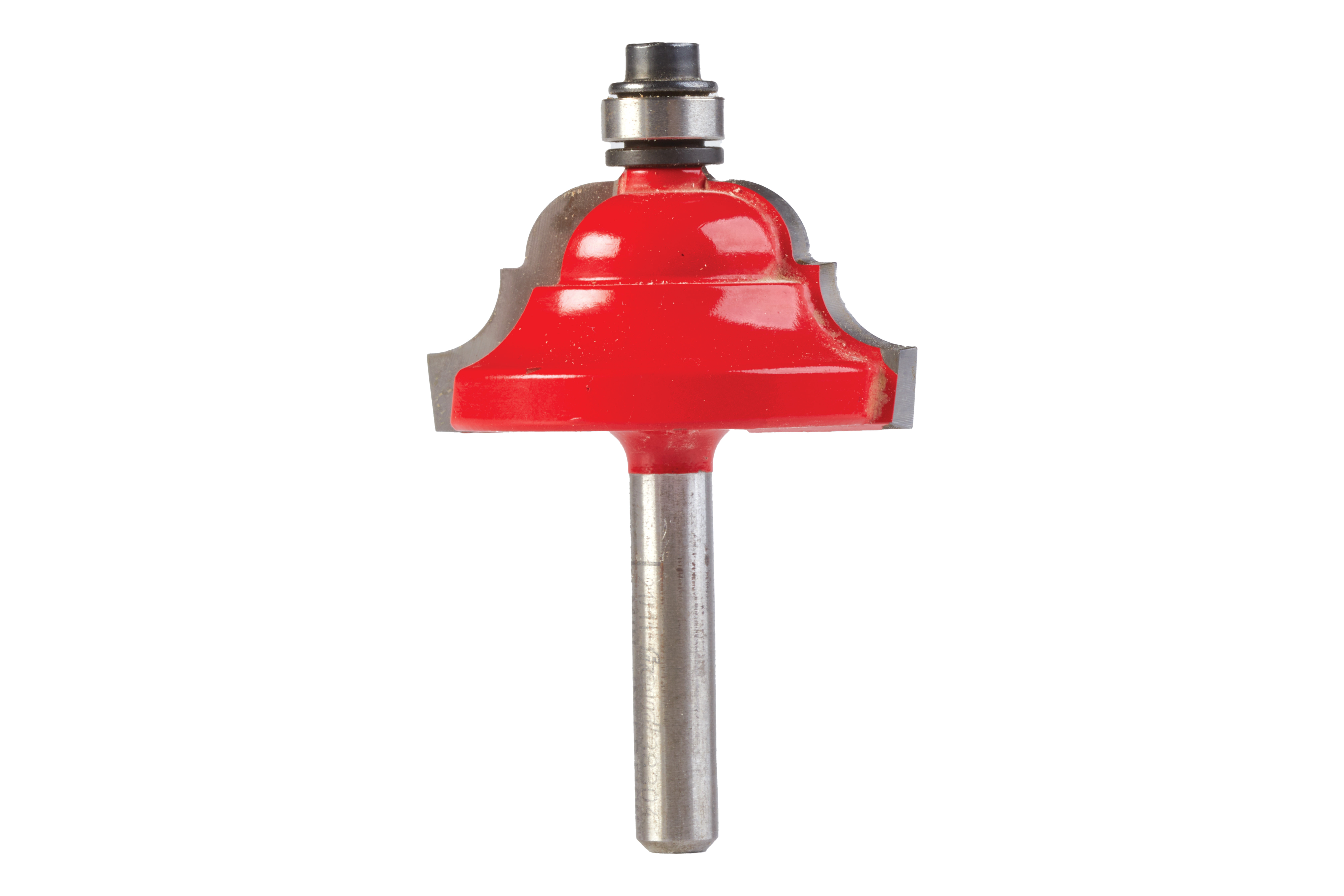 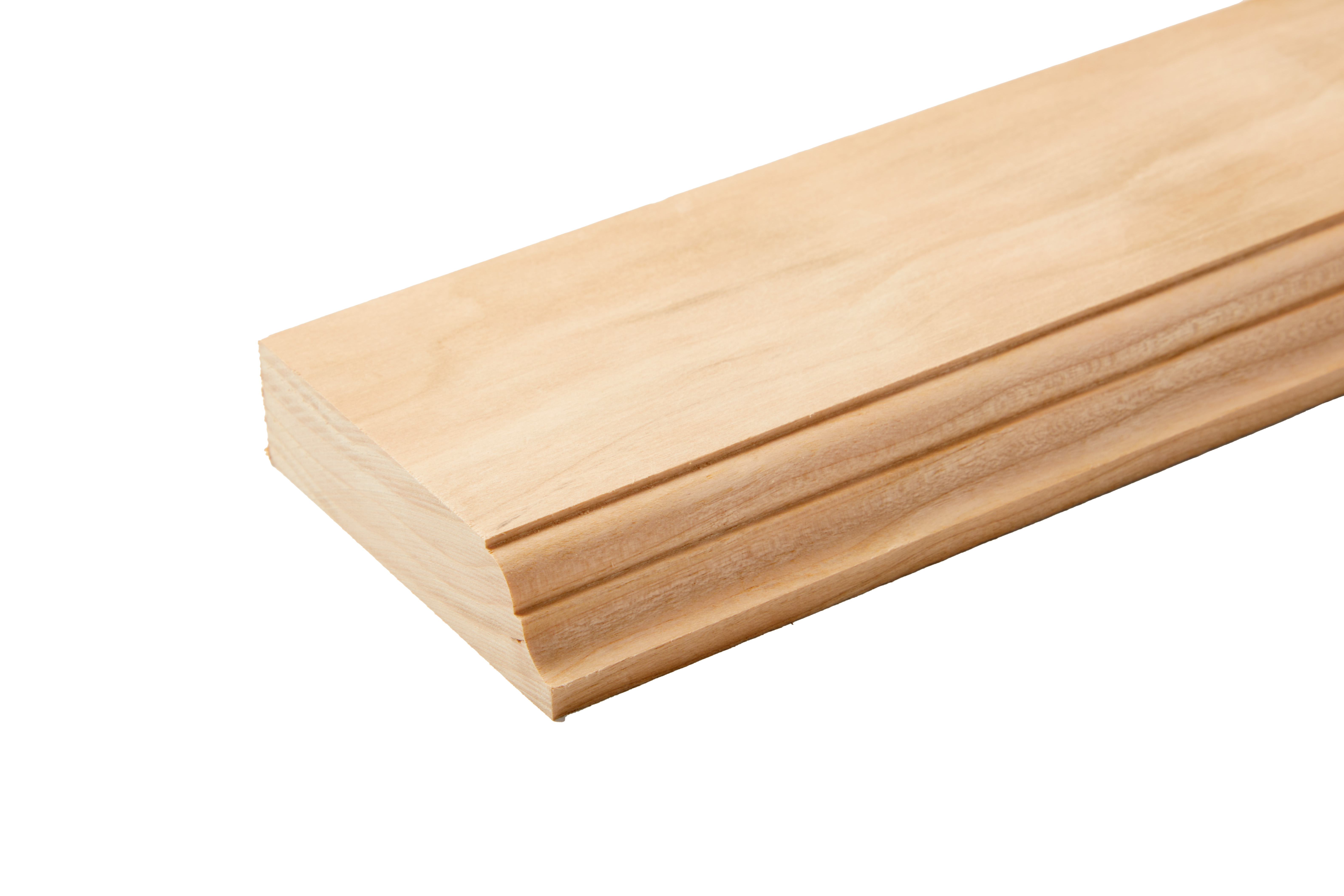 |
| A triple bead bit cuts three beads at once and works well when combined with other profiles. | A cove and bead bit creates an ogee-like profile, but with a quirk down the center. |