



Comparing the Top Drywall Putties of 2024
Best Overall

If you can’t tell when putty has dried, then this product is perfect for you. This unique DryDex spackle by DAP changes its color from pink to white once it has dried. It comes in an easy-to-use tub that makes the application process easier.
Pros
- Crack and warp resistant
- Changes color when dried
- Perfect for interior and exterior use
Cons
- Slightly costlier than competitors
Key Features
You can use this putty over all kinds of dings, dents, cracks, and holes. It won’t crack under any circumstances, so you do not need to worry about the quality of work. Plus, this feature also reduces the number of coats you need to apply before sanding it. You can apply it to interior and exterior materials to conceal flaws. The best part is its versatility, as you can apply it on wood, drywall, and plaster.
Editor’s Pick

Imagine a putty that you only need to apply once before sanding and applying a fresh coat of paint. If that sounds too good to be true, Red Devil’s spackle only needs one application and it gets the job done. You can apply it on walls and ceilings to repair them quickly and easily. This putty can fill anything from dents, nail-heads, spots, and other kinds of holes in a single application.
Pros
- Needs only one coat
- Doesn’t need sanding
- Doesn’t sag or crack
Cons
- Might stick up on vinyl
Key Features
It has a great formula that allows you to apply smoothly and dry quickly. Feel free to use it outdoors and indoors without worrying about the quality. This spackle does not require any sanding, so you don’t have to do a lot of work. It does not crack, shrink, or sag. Use it on wood, particleboard, stucco, plaster, and drywall.
Honorable Mention

Are you in a hurry to paint your room but the spackle is taking ages to dry? You need to try this repair putty by Erase-A-Hole. With this putty, there is no drying time. You can fill dents, holes, and cracks in your walls in a flash. It is made from a heavyweight compound that ensures smooth application on multiple surfaces. You can use it to repair wood, wall plaster, drywall, etc. Its small and compact construction makes it easy for you to carry it around in your pocket.
Pros
- No extended drying time
- Portable and easy to store
- No cracking or warping
Cons
- Only works on wood and drywall
Key Features
Having a great formula allows this putty to resist any sort of cracking or shrinking. As a result, you can apply paint right over it without worrying about the aftermath. All you have to do is apply it to a hole in a circular pattern, wipe it with a damp cloth, and then paint it.
Contender

This all-in-one putty is a must-have to keep your house in optimal condition as it works three times faster than traditional vinyl spackling. This putty is perfect for repairing your walls as it’s applicable to nail holes, small nicks, and dents. It has a great formula that allows it to resist any kind of sagging, cracking, and shrinking after you apply it. The best perk that comes with it is that it also resists the flashing of paint and delivers satisfying results.
Pros
- Quick and easy repairs
- Resist flashing of paint
- 3x faster than traditional vinyl putty
Cons
- Not suitable for bigger holes
Key Features
If you are looking for a spackle that can firmly hold nails and give a professional-looking finish, then this is it. It is made from a lightweight spackle compound that increases its compatibility with whatever paint you apply over it. Moreover, it also has primer-enhanced spackling ingredients that make it a consumer favorite.
Also Consider

This putty comes with a complete kit for your repair needs. In it, you can find a wall mending agent (the putty), a scraper, and a nozzle extender. The mending agent has one of the best formulae that contain carbonate cover, resin, and wall glue. This formula allows it to be waterproof. It is free of any toxic substances, including non-corrosive Formaldehyde. It’s safe for pets and kids too, as it’s made from eco-friendly and non-toxic materials.
Pros
- Free of toxic substances
- Non-corrosive and waterproof
- Safe to use around children
Cons
- Takes a lot of time to dry
Key Features
You can use it to fill wall cracks, wall damage, peeling, wall pimples, and drill holes. The scraper makes it easy to apply until it’s smooth. The texture is hard enough to hold a nail and it is resistant to delicate scrubbing. You do not have to worry about humidity since it doesn’t suck in water. Feel free to use it on walls, shutters, doors, cabinets, paneling, and windows.
Comprehensive Buyer’s Guide for Drywall Putty
The correct spackling product can make repairing surfaces extremely simple. To make your selection and buying process easy and stress-free, we’ve put together this thorough buyer’s guide detailing all the necessary information you need to consider when making a purchase.
Factors To Consider Before Buying Drywall Putty
The final look
When shopping for repair putty, we treat its final results as the most important factor to take into account. This is due to the fact that putty must be applied to a previously damaged surface. Thus, the texture of the putty and the surface of the wall should match.
If you don’t pay attention to the final look of the surface, your wall will end up looking shabby. So, you should inspect the current wall texture before selecting the putty that would provide the same result.
Drying time
When patching drywall, you can’t afford to wait days for the putty to dry fully before moving on to the next stage. Generally, putty should dry within one to six hours at the most. Humidity and other circumstances, which you may not have any influence over, can affect drying time. Standard items that dry quickly (within an hour or two) should be your first choice when making a purchase.
Efficacy
When purchasing putty, you should consider how simple it is to apply the putty to fix drywall. We like supplies that include both primer and a putty knife in the same package. Then you won’t have to waste time going to the hardware shop to get different mending supplies.
Putty, primer, and putty knife combo products are the easiest to use since you don’t need to look for specific materials. And, most significantly, you don’t need to prepare the surface individually. You get all the tools and accessories in the package to repair the damaged wall on the go!
Flexibility
The putty you purchase should be rigid, non-corrosive, and have little to no flexibility. After drying, if the putty shrinks or expands, the surface may break again within a few days.
When it comes to most items, we want something that can do a lot of different things, but putty falls short in this regard. Don’t use flexible putty unless you’re mending a part that’s continually moving like a door or window.
Durability
Nobody wants to see new cracks on a surface that had been repaired just a few months before. In other words, only buy high-quality products to save yourself from the nuisance of repairing walls again and again.
Using primer
The ease with which you can paint a surface directly after putty has been applied negates any need for priming. Therefore, search for a putty that is already blended with a primer or you’ll have to purchase the primer separately.
How To Use Putty on a Drywall
To fix a wall using putty, all you have to do is mix some putty with water. But if you’re doing the repair yourself, you’ll need to follow these procedures to ensure a flawless outcome.
Prepare the wall
Before breaking the seal of your spackling compound sealant, prepare the wall to ensure it’s ready for application. Make sure to remove any of the dirt, sand, and paint that is stuck to the wall. To get the finest results with the putty, you should apply it to a clean wall.
Combine the ingredients
Putty usually comes in a variety of materials, and you’ll need to combine them before using them. The repair substance should be mixed in accordance with the product’s instructions.
Apply the putty
Make sure the compound is well-mixed before applying it to the wall. Repair the smaller holes first, then the larger ones, so that you don’t overlook the little holes in the wall as the repair progresses.
Paint and polishing
Once you’ve completed the preceding stages, you’ll need to wait for the compound to dry out. This is a critical step, as the patch will not function if you continue without drying the chemical. Once the wall has dried, you may polish and paint it as you see fit.
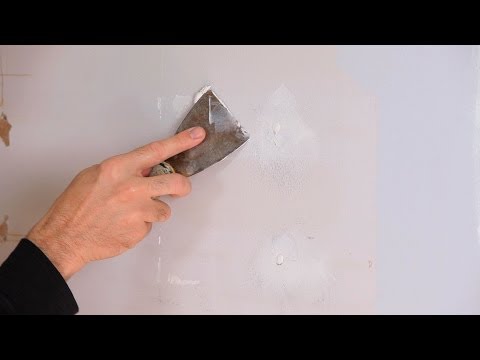
If you need more visual instructions, this video from Howcast may be useful:
What’s the Difference Between Drywall Putty and Joint Compound?
Spackle or drywall putty is typically used to repair minor drywall or plaster damage. Spackle, which is formed of gypsum powder and binders, has a mushy toothpaste-like consistency and is available pre-mixed in smaller tubs. It’s used to fix minor scratches and dents on walls, such as nail holes. Drywall putty dries faster and shrinks less than joint compound, and because it cures quickly, you may sand and paint over the filled holes and cracks immediately.
On the other hand, joint compound is mostly used when installing new drywall. A joint compound (also known as drywall mud) is made primarily of gypsum dust, which you mix yourself into a cake frosting-like consistency. It’s also available pre-mixed in a tub.
Contractors attach big sheets of gypsum board to the wall’s structure, tape the joints between boards, and then cover the tape with joint compound during drywall installation. The joint compound aids in the creation of a smooth surface with imperceptible seams with a little finishing effort. Drywall putty, which is often sold in smaller containers, is not suitable for this purpose since its quick-drying nature allows for less working time.
People Also Asked
Before applying putty, do I need to prepare the wall first?
It depends on the type of drywall putty you choose. There are certain pre-mixed spackling chemicals that do not need to be primed before painting. As for the wall itself, ensure the surface is clean before application.
Is drywall putty water-resistant?
No, the putty will degrade and lose its functionality if exposed to water. However, a repair made of putty that has been left to dry completely on a wall is typically water-resistant.
How is drywall putty made?
In order to make putty, you must combine gypsum powder with binders and solvents. It can be powdered or pasted, depending on the brand.


