


You don’t have to choose between being a hand-tool woodworker and a power-tool woodworker. In fact, some of the most useful hand tools are at their best when they’re working right alongside your machines. I may cut a joint at the table saw and fine-tune the fit with a chisel, or flatten and dimension lumber with machines before reaching for a block plane to make the final adjustment.
There are other advantages to adding hand tools to your shop. They take up very little space, produce less noise and dust, and can often handle a small job faster than setting up a machine. And there’s something satisfying about learning the traditional skills that woodworkers relied on long before routers and table saws became standard equipment.
Entire books have been written about setting up a traditional hand-tool shop, so I’m not going to try to cover everything here. Instead, think of this as a starting point for someone new to woodworking or a power-tool woodworker who wants to begin adding hand tools to the shop.
Which Woodworking Hand Tools Do You Need First?
If you’re coming from a power-tool shop, there’s no reason to buy an entire collection of hand tools at once. A better approach is to start with a few tools that complement the work you already do and add others as your interests and skills develop.
For me, that starter group would include bench chisels, a block plane, a backsaw, a marking gauge, and a bevel gauge. Each can handle jobs that are difficult or inefficient to accomplish with a machine, and none requires you to completely change the way you build projects.
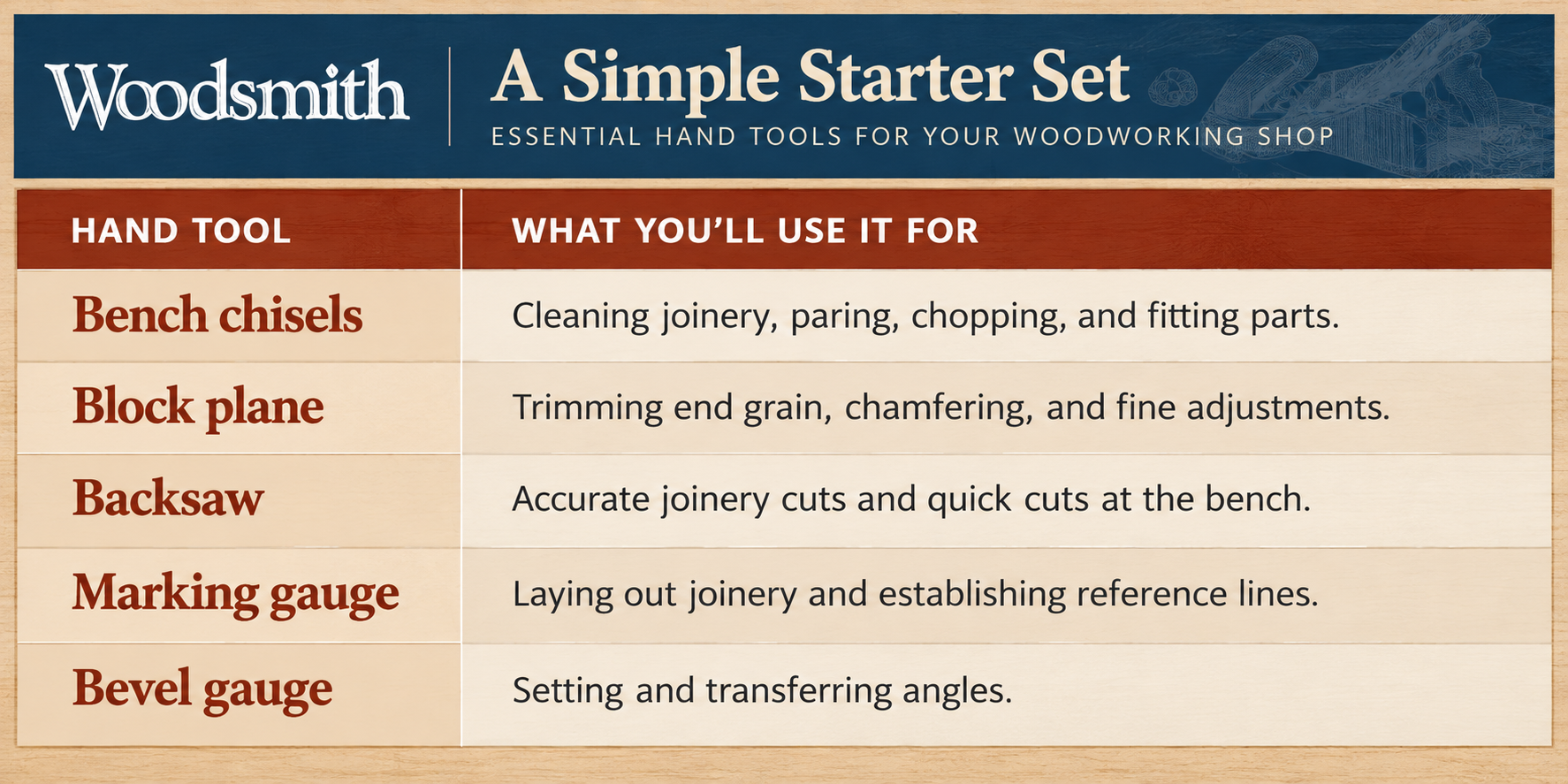
Once you’re comfortable with these basics, you can start looking at full-size hand saws, larger bench planes, shoulder planes, and even hand-powered drills.
Bench Chisels: A Great Place to Start
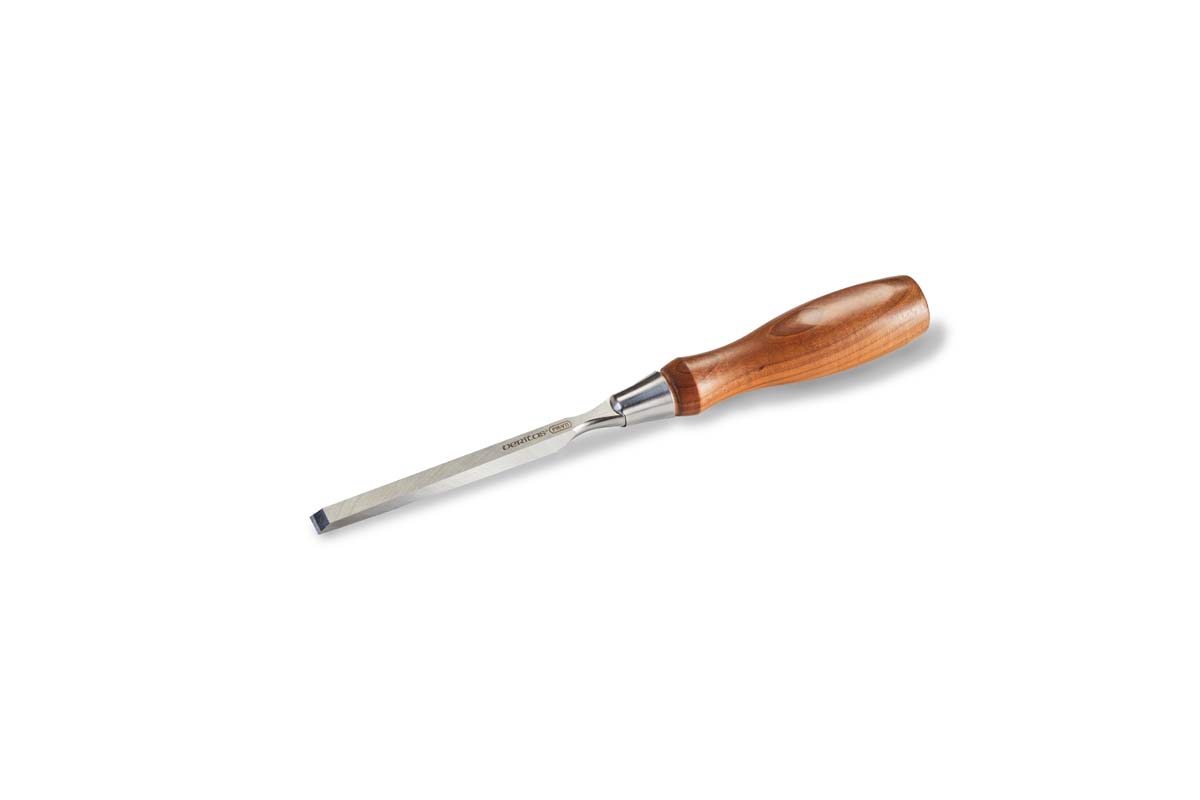
If I were recommending one traditional hand tool to a woodworker with a power-tool shop, a good set of bench chisels would be near the top of the list. They’re useful whether you plan to cut joinery completely by hand or simply want a way to clean up and fine-tune work that comes off your machines.
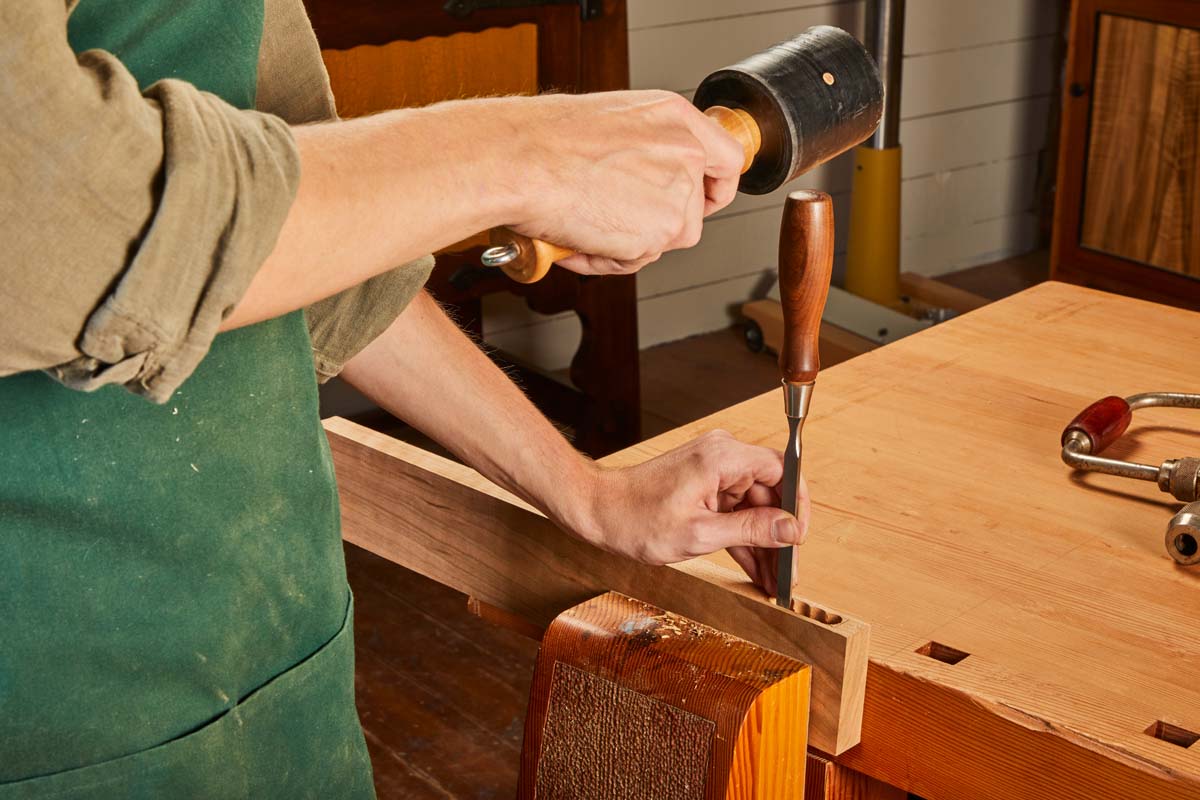
A bevel-edge bench chisel is the most versatile style. The beveled sides make it easier to get into tight spaces, while the flat back provides a reference surface for controlled paring cuts. You can use one to square the rounded corner left by a router bit, clean up a dado, pare a tenon for a better fit, chop a mortise, or make dozens of other small adjustments.
You don’t need a huge set to get started, either. A basic selection of 1/4", 1/2", 3/4", and 1" chisels covers a surprising amount of woodworking. Those are the four sizes recommended in the original article, and you can always add narrower, wider, or more specialized chisels later.
RELATED ARTICLE: How to Use a Chisel: 4 Essential Chisel Techniques
Block Plane: A Small Tool With a Lot of Uses
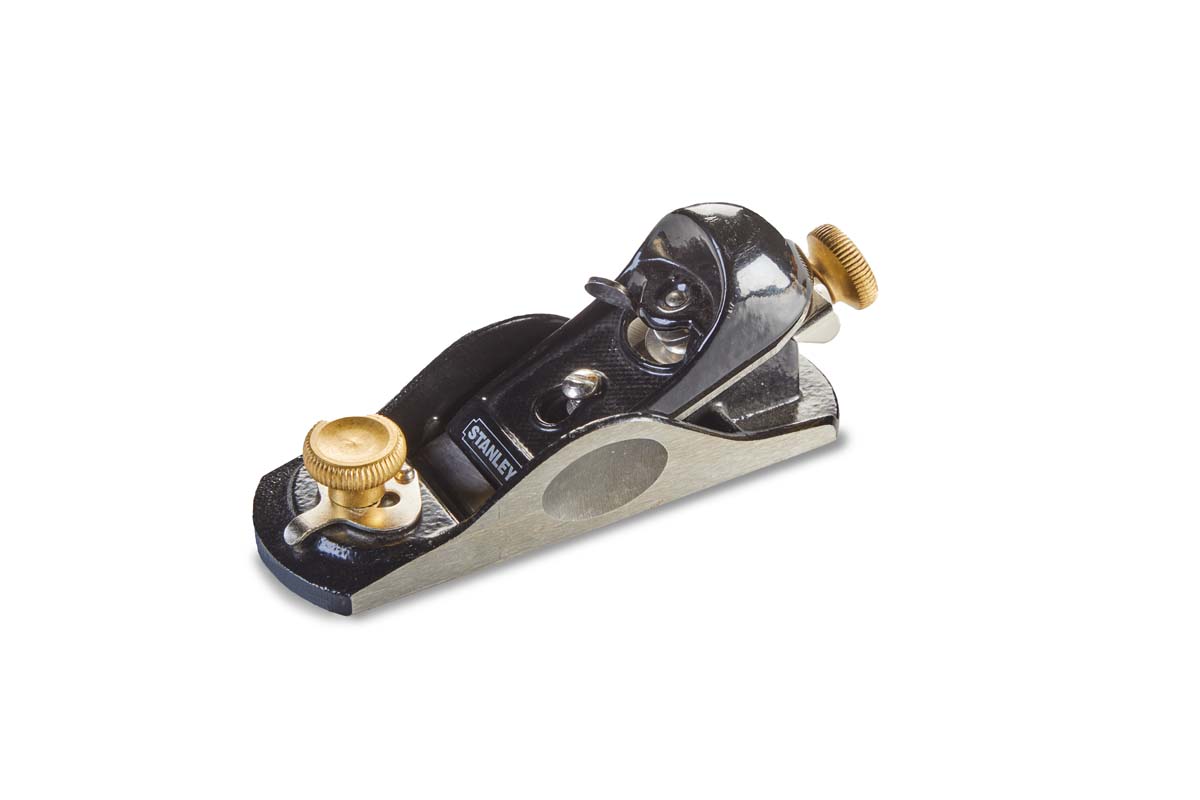
Another hand tool I’d add early is a block plane. This isn’t necessarily a replacement for one of your power tools. Instead, it excels at the small trimming and fitting jobs where setting up a machine would take longer than making the adjustment by hand.
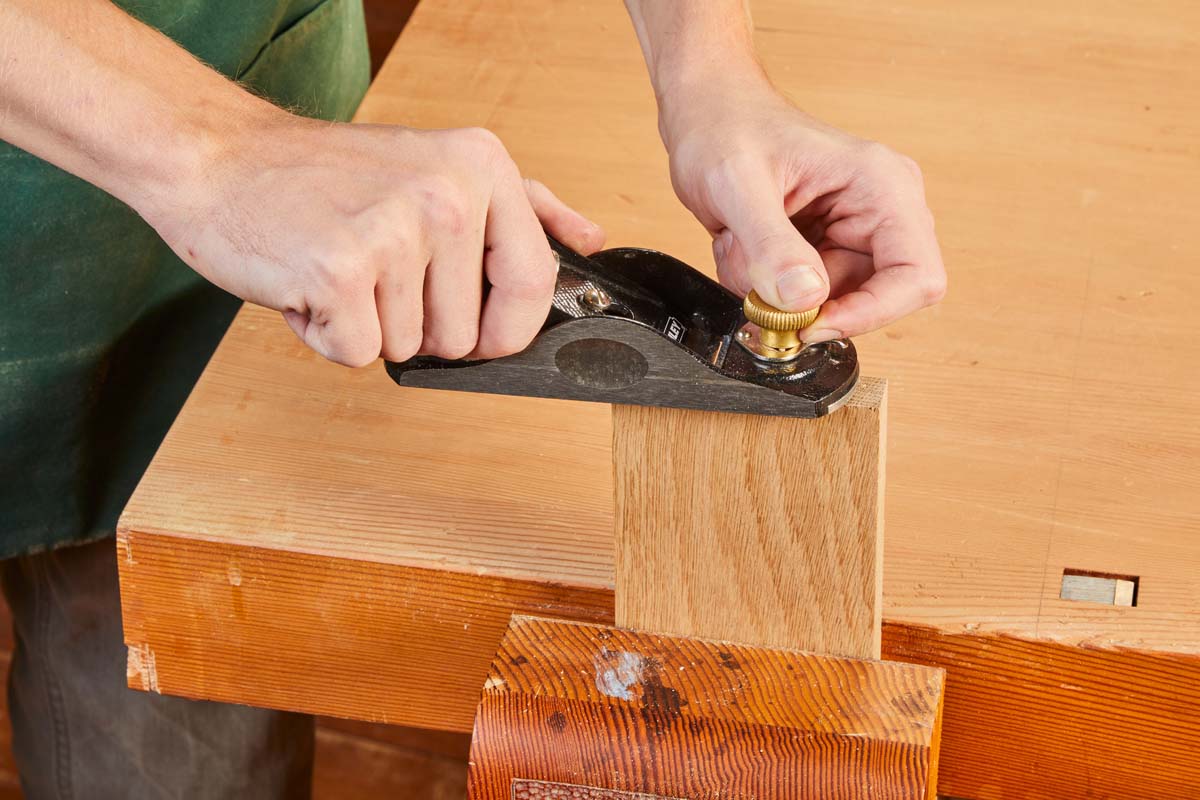
A block plane is particularly useful for working end grain. Its blade is seated at a lower angle than on many other bench planes, which helps the cutting edge slice through the end-grain fibers.
I’d use one to trim a part to fit, clean up end grain, chamfer an edge, ease a sharp corner, or make a small adjustment during assembly. It’s the kind of hand tool that may not initially seem essential, but once you have one sitting on the bench, you’ll probably find yourself reaching for it regularly.
RELATED ARTICLE: How to Use a Block Plane: 5 Essential Woodworking Techniques
Backsaws: Start Cutting Joinery by Hand

If you’re interested in cutting joinery by hand, a backsaw is a logical next addition. Unlike a full-size handsaw, a backsaw has a rigid metal spine along the top of the blade. This stiffens the saw so the blade can be thinner and produce the fine, accurate kerf needed for joinery.

Backsaws generally fall into three useful sizes. A tenon saw is the largest and is suited to larger joinery such as tenons, half-laps, and bridle joints. A carcass saw is a little smaller and works well for general casework and bench joinery. A dovetail saw is smaller yet, with fine teeth that make it a natural choice for dovetails and other precise cuts on smaller parts.

If you’re just getting started, I wouldn’t feel obligated to buy all three. Choose the saw that best matches the kind of joinery you want to try. You can expand your collection as you discover which hand-tool techniques you enjoy using.
Marking Gauge: Improve Your Joinery Layout
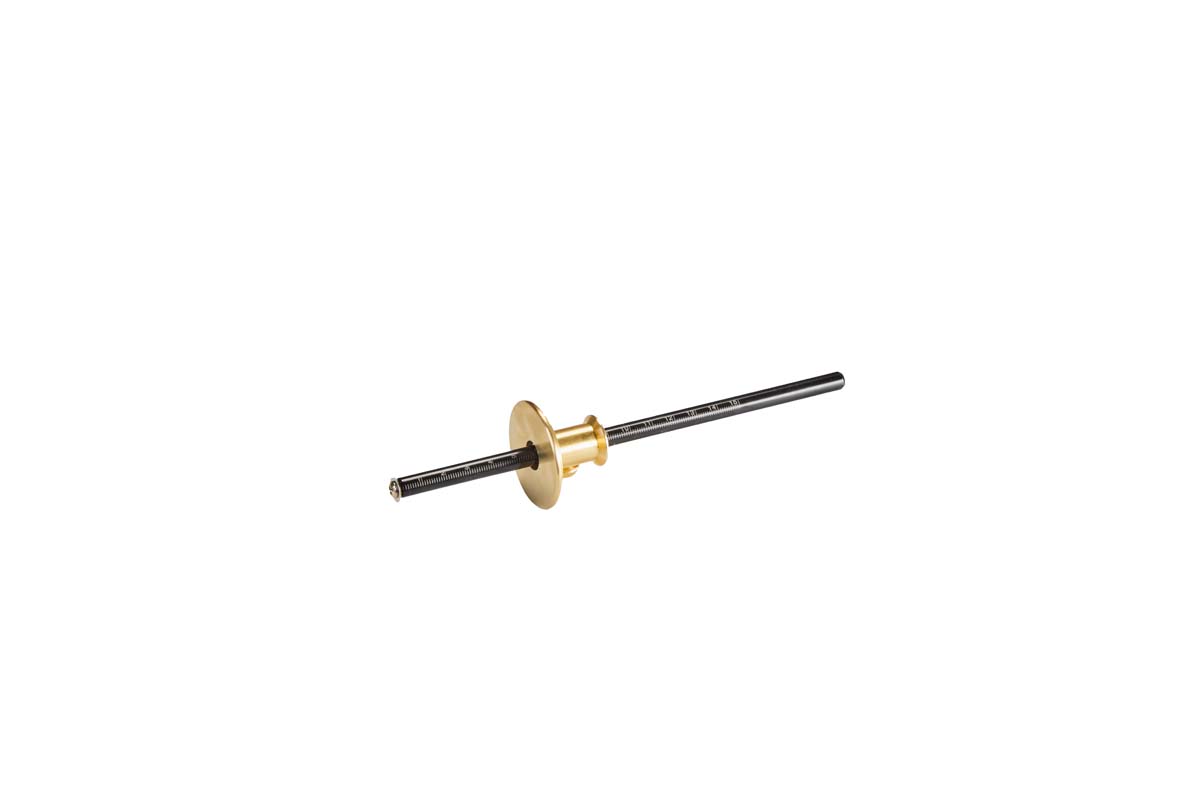
A marking gauge doesn’t cut wood, but it’s one of those traditional tools that can improve both hand- and power-tool woodworking. Its job is simple: The gauge scribes a line a consistent distance from the edge of a workpiece, making it useful for laying out mortises, tenons, dovetails, rabbets, and other joinery.
The advantage over a pencil is that a marking gauge leaves a fine physical line in the wood. That gives you a precise reference to work to, whether you’re making the cut with a saw and chisel or setting up a machine. If you want to start experimenting with hand-cut joinery, a marking gauge is an inexpensive tool that quickly earns its place in the shop.
Bevel Gauge: An Easy Way to Work With Angles
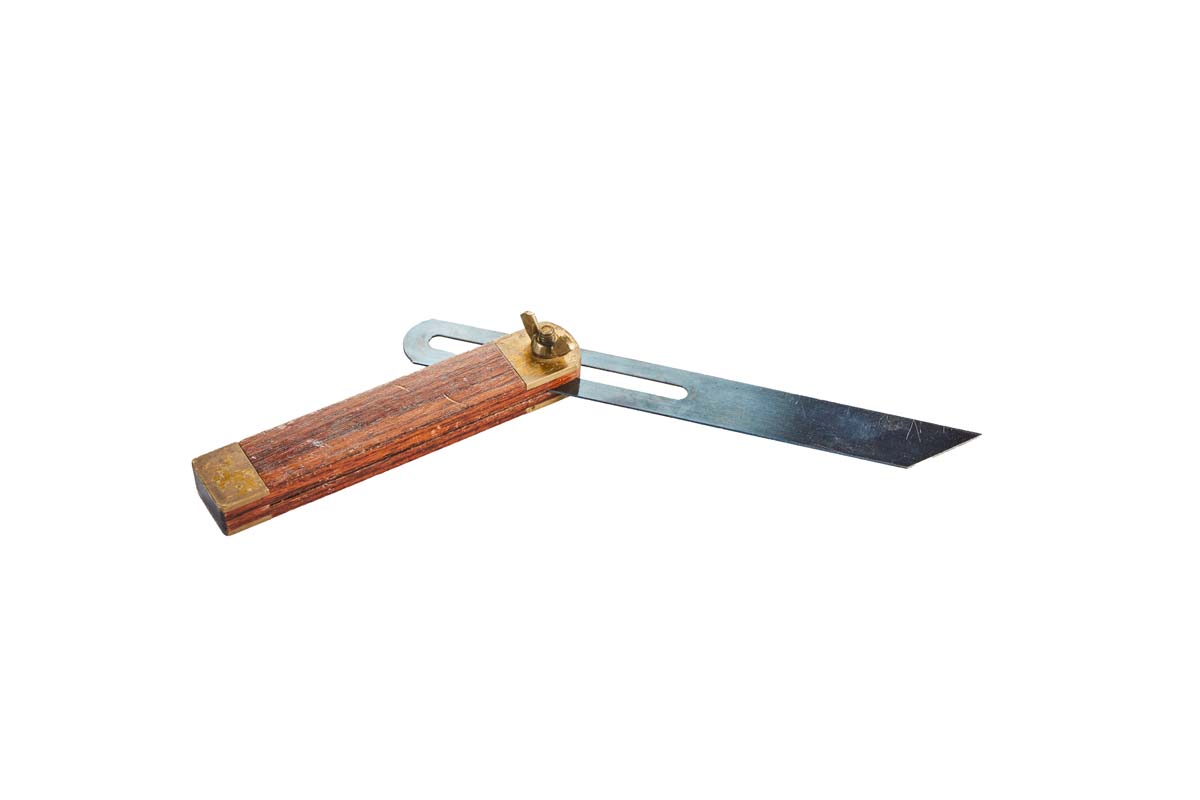
A sliding bevel gauge is another simple layout tool that works just as well in a power-tool shop as it does on a traditional workbench. Rather than measuring an angle numerically every time, you can set the blade to match an existing angle, lock it in place, and transfer that angle directly to another workpiece.
The original article also points out another useful trick: A bevel gauge can serve as a visual reference when drilling an angled hole by hand. It doesn’t take up much room, isn’t complicated to use, and comes in handy whenever you need to reproduce an angle accurately.
RELATED ARTICLE: 7 Essential Woodworking Layout Tools for Accurate Projects
Adding Hand Planes to Your Workshop
Once you’ve spent some time with the basics, you may decide you want to do more work by hand. That’s where larger bench planes come into the picture. They can take over jobs normally handled by powered jointers, planers, and sanders, but the different sizes and styles can make the subject confusing for someone just getting started.
The important thing to understand is that you don’t need every plane at once. Each type is designed around a particular task, so it makes sense to add them according to the work you actually want to do.
Jack Plane: Removing Material Quickly
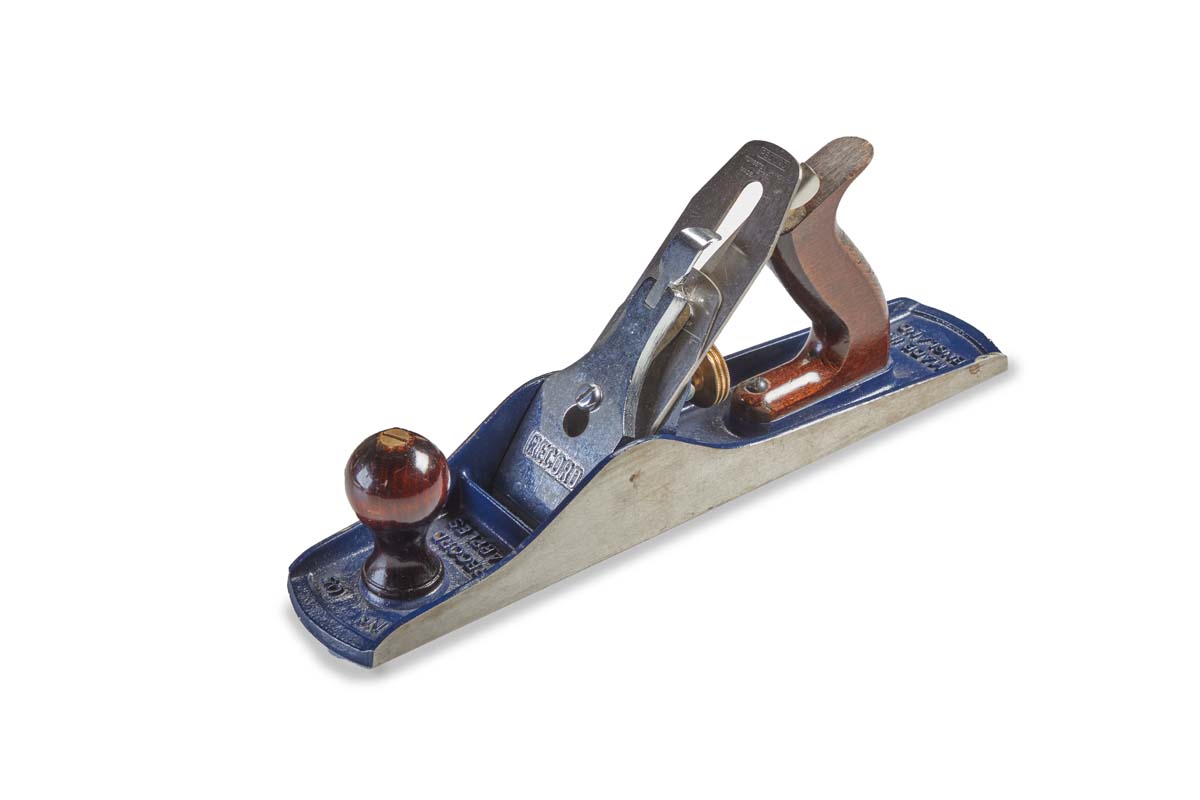
A jack plane is a medium-size plane intended for relatively fast stock removal. It can be used to bring rough lumber closer to its finished thickness and remove problems such as twist or cup. At this stage, you aren’t necessarily trying to create a finished surface — the goal is to remove material efficiently.
If you already own a powered jointer and planer, a jack plane probably doesn’t need to be one of your first hand-tool purchases. But if you’re interested in learning to flatten and dimension lumber by hand, it becomes a much more important part of the tool kit.
Jointer Plane: Flattening Faces & Straightening Edges
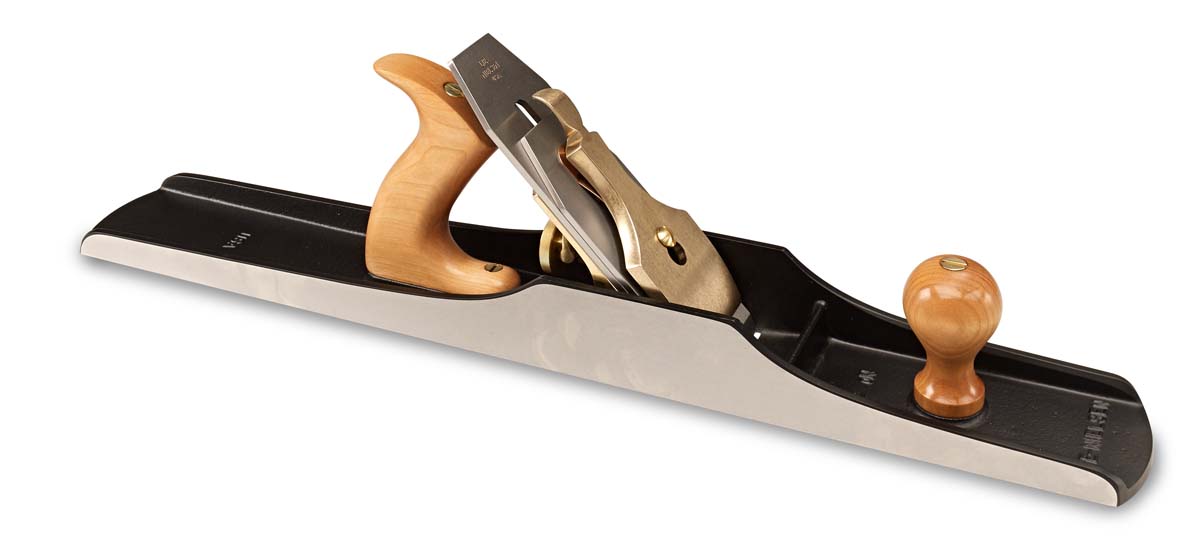
The jointer plane is considerably longer than a jack plane. Its long, flat sole bridges low areas while the cutting edge removes material from the high spots. With repeated passes, this helps create a flatter face or straighter edge.
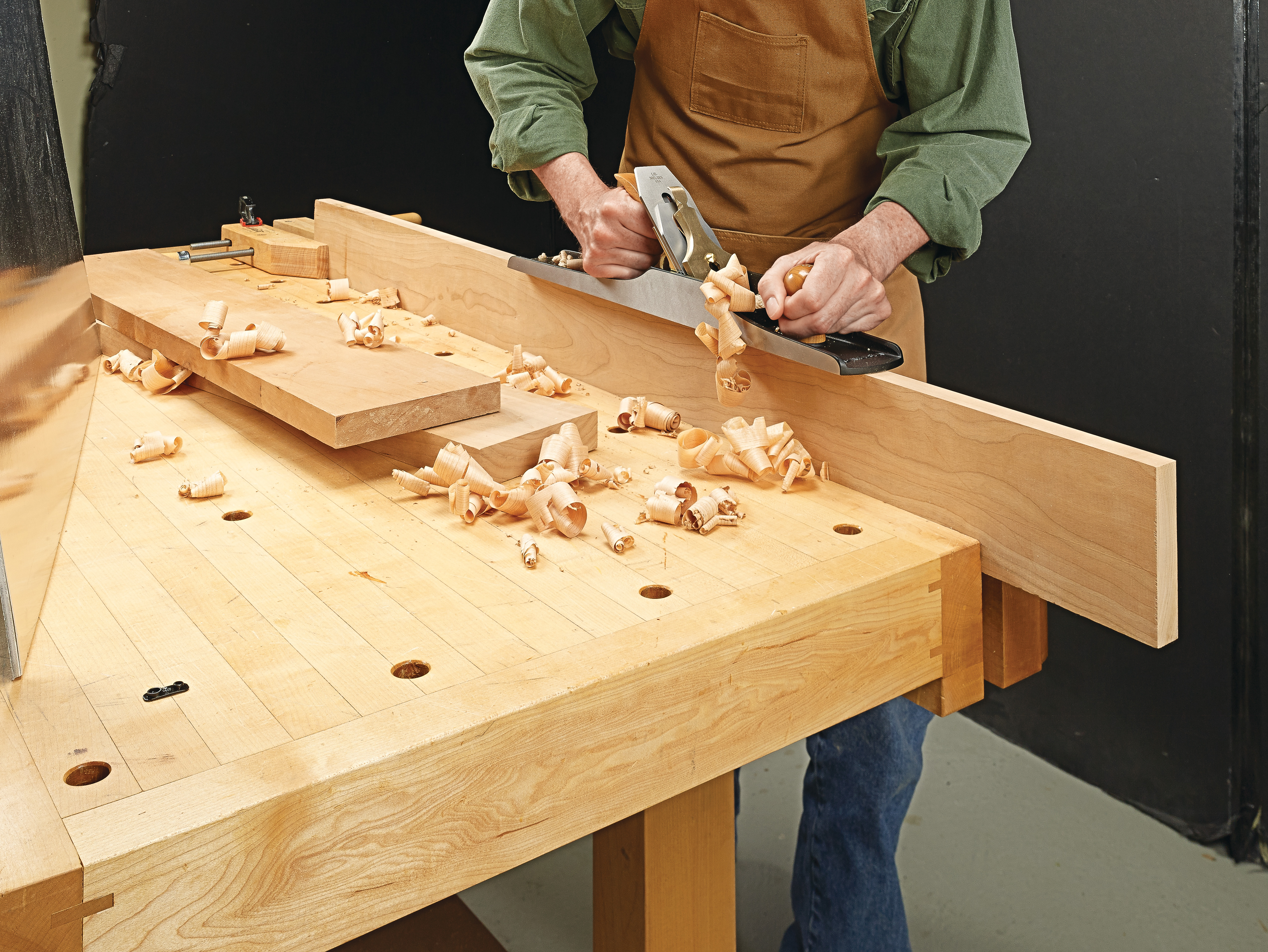
In that sense, it performs some of the same basic jobs as a powered jointer. A machine will obviously do the work much faster, but learning to use a jointer plane gives you another way to flatten or straighten a workpiece when a machine isn’t practical.
Shoulder Plane: Fine-Tuning Machine-Cut Joinery
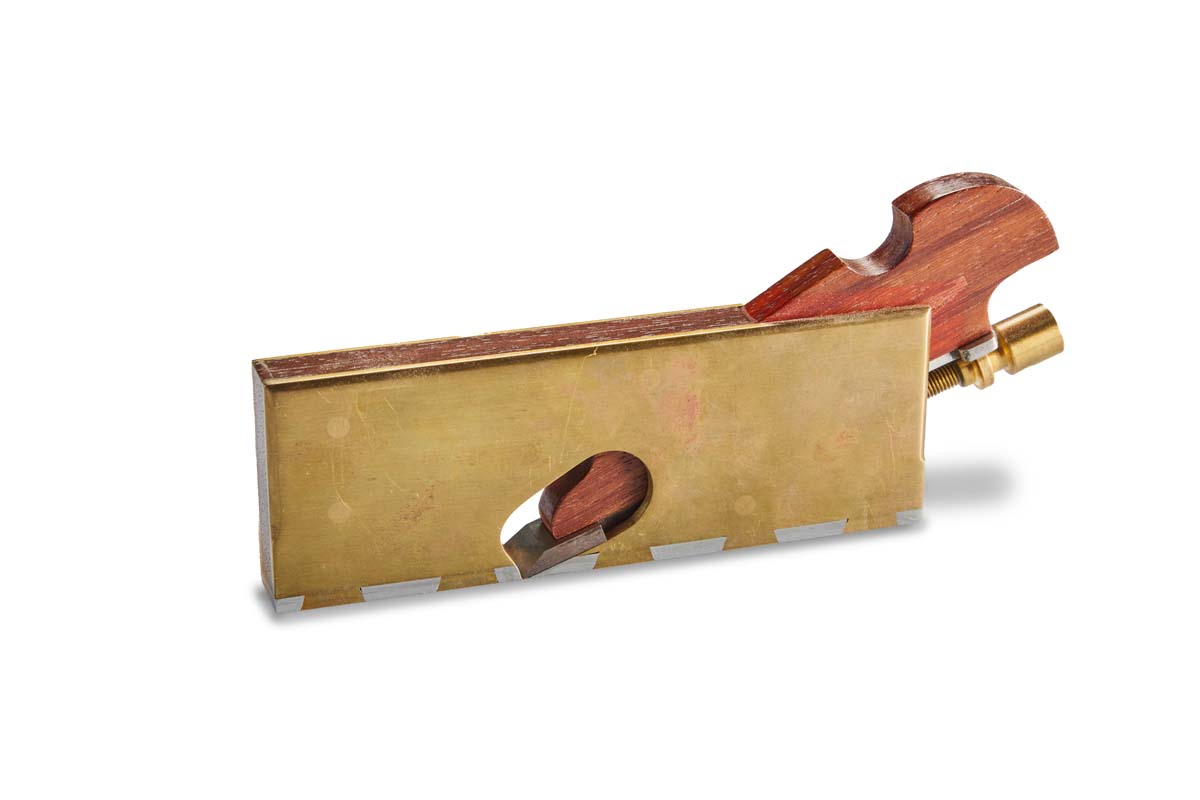
A shoulder plane is more specialized, so I wouldn’t put it at the top of a beginner’s shopping list. For a power-tool woodworker who frequently cuts mortise-and-tenon joints, however, it can be especially useful.
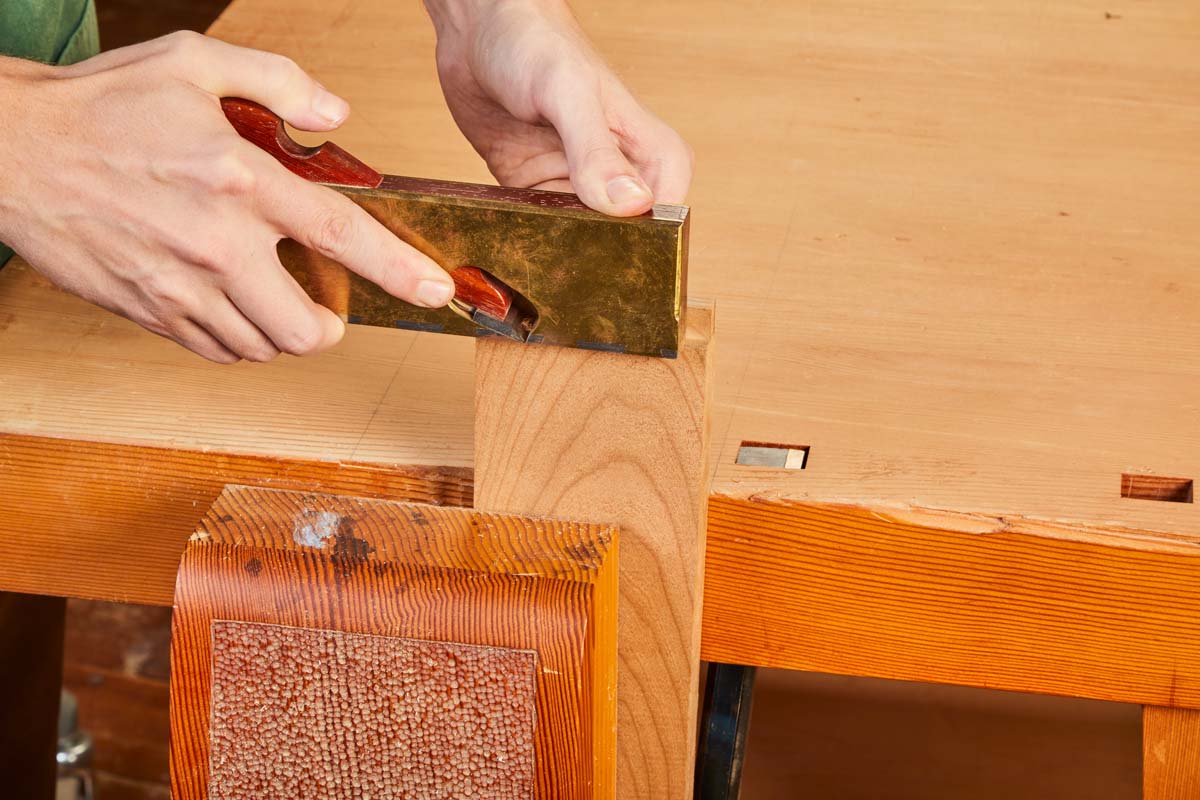
The classic job for a shoulder plane is adjusting a tenon for a precise fit in its mortise. The cutting iron extends slightly beyond the sides of the plane body, allowing it to cut right into an inside corner. That same feature makes the plane useful for cleaning up dadoes and creating or refining rabbets.
This is a good example of a hand tool that doesn’t have to replace a machine. You can cut the joint quickly with power tools and then use the shoulder plane to make the small, controlled adjustments that produce the final fit.
Full-Size Hand Saws: Rip & Crosscut Saws
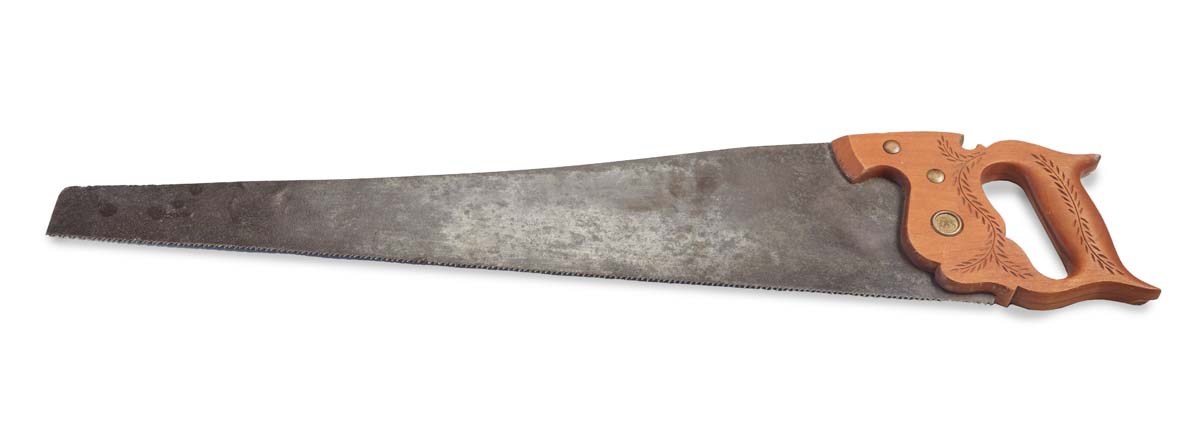
Traditional full-size handsaws handle many of the rough-sizing jobs we now associate with the table saw and miter saw. There are two basic types to understand: crosscut saws, which cut across the wood fibers, and rip saws, which cut along the grain.
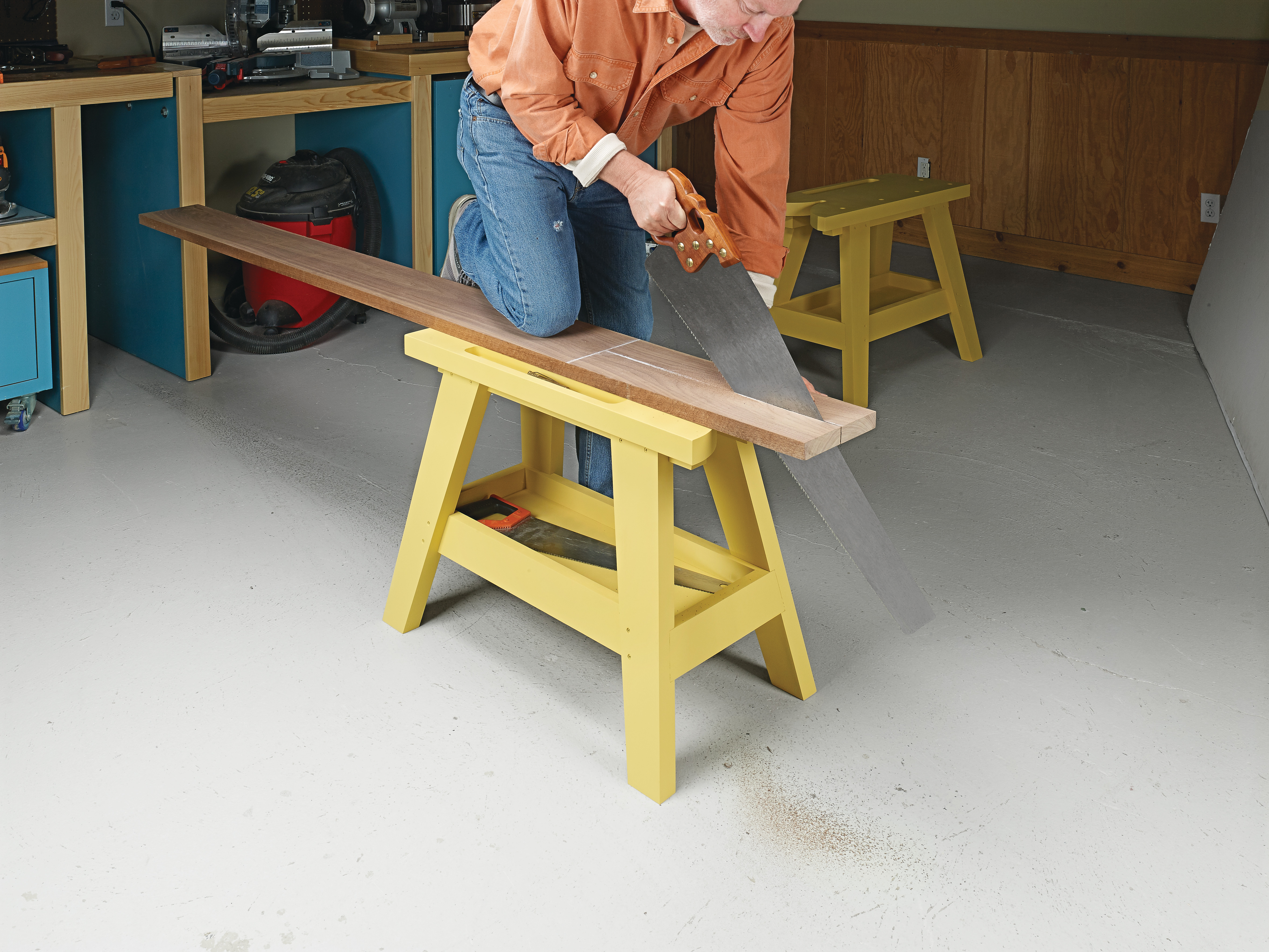
If you plan to dimension lumber primarily by hand, having one of each makes sense. When ripping a board, leave a little material outside the layout line rather than trying to saw exactly to finished width. That extra material gives you room to correct any wandering in the cut and straighten the edge afterward with a plane.
For someone who already owns a table saw and miter saw, full-size handsaws may not be an immediate priority. Still, they require virtually no setup, make very little dust, and can be surprisingly convenient when you only need to make a cut or two.
What About Hand-Powered Drills?
Hand-powered drills are another traditional tool category worth knowing about, although I’d consider them optional for someone transitioning from a modern power-tool shop. If you already own a cordless drill, chisels, planes, saws, and layout tools will probably add more new capabilities to your woodworking.
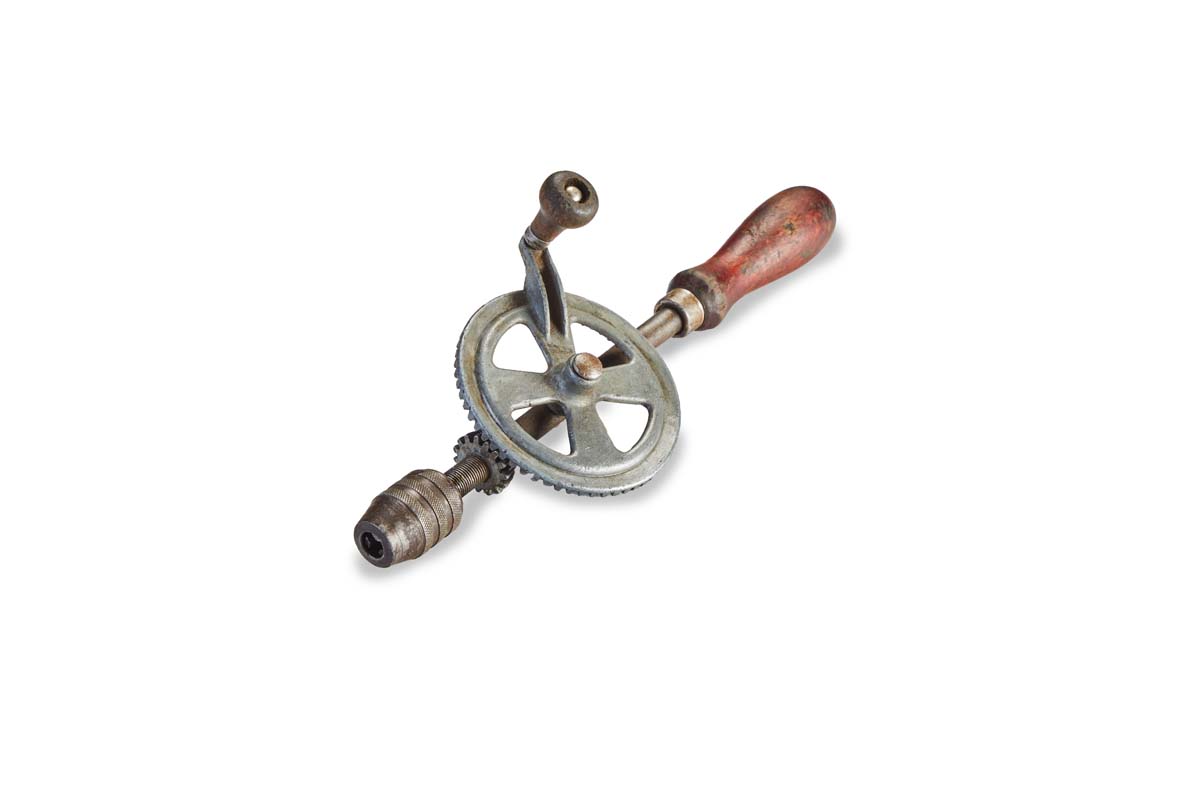
There are two common styles. An eggbeater-style hand drill favors speed and is useful for drilling smaller holes. A brace trades speed for leverage, making it better suited to boring larger holes. Many braces also have a ratcheting mechanism that allows you to work where there isn’t enough clearance to swing the handle through a complete rotation.
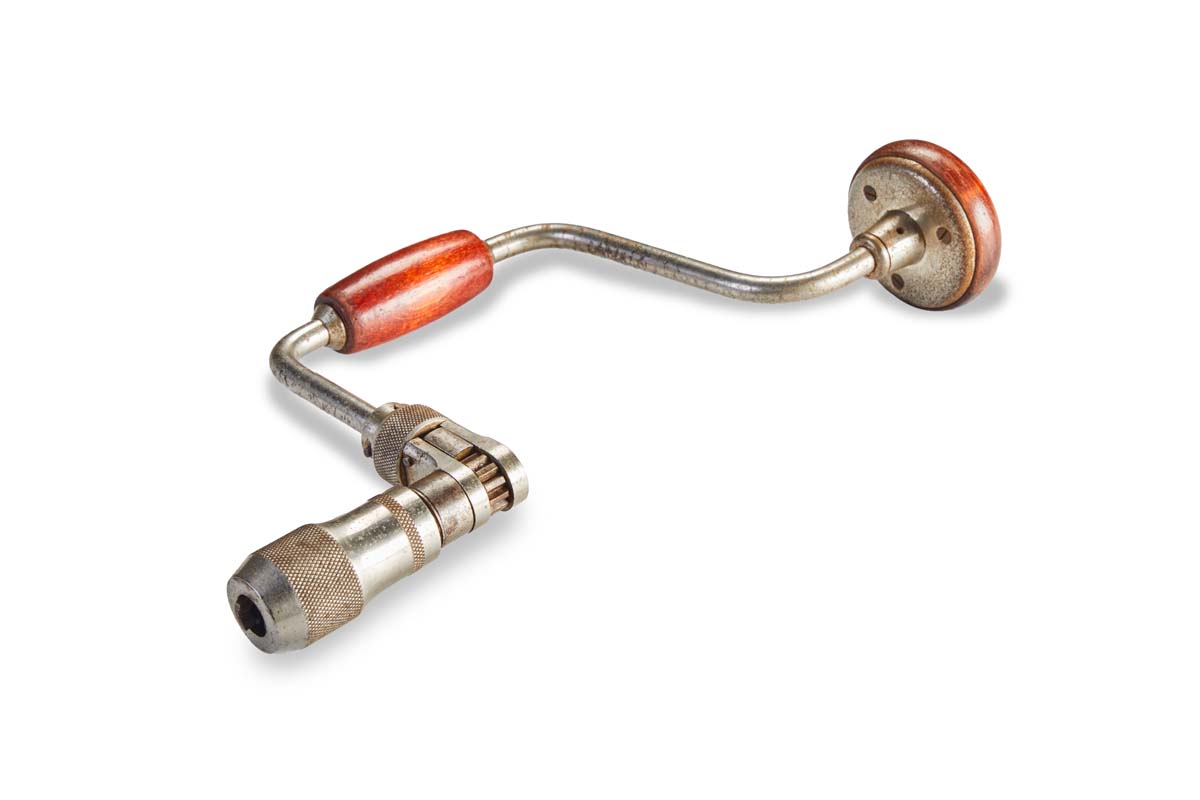
They may not be necessities in a power-tool shop, but they're enjoyable tools to use if you want to explore woodworking without always reaching for a battery or power cord.
Build Your Hand-Tool Collection as You Need It
If you’re a power-tool woodworker interested in hand tools, don’t feel like you need to recreate a traditional woodworking shop overnight. Start with tools that solve problems you already encounter. Bench chisels are useful for cleaning up and fitting machine-cut joinery, a block plane handles quick trimming and adjustments, and a backsaw gives you an approachable way to start cutting joints by hand.
From there, add tools according to the direction your woodworking takes. If you enjoy hand-cut joinery, you might add a dovetail or tenon saw and eventually a shoulder plane. If you want to dimension rough lumber without machines, start exploring jack and jointer planes along with rip and crosscut saws.
The goal isn’t to replace your table saw, router, planer, or cordless drill. It’s to give yourself another way to work. Sometimes a machine is the fastest and most accurate choice; other times, picking up a sharp chisel, plane, or saw is easier than setting up a power tool. Learning to use both gives you more options — and that can make you a more versatile woodworker.


