


What do you really want from a furniture finish?
Durability is an obvious answer. But appearance, feel, ease of application, and the way a project ages are important, too. Not every piece of furniture needs a thick, highly protective coating.
That's where wax makes an interesting wood finish.
Wax enhances the color and grain without burying the wood beneath a heavy film. Run your hand across a waxed surface and you can still feel the texture of the grain and even subtle tool marks left during construction.
And as a piece gets used, wax allows it to develop character. Worn corners, subtle color changes, dents, and other evidence of use can become part of the furniture rather than flaws that need to be hidden.

Is Wax a Good Finish for Wood Furniture?
Wax doesn't provide maximum protection, and that's important to understand before choosing it.
A wax finish makes the most sense on furniture and woodworking projects where appearance, feel, and easy maintenance are more important than maximum resistance to moisture, abrasion, and everyday abuse.
A mantel clock, decorative cabinet, small box, shelf, or lightly used furniture piece may not need the same level of protection as a dining table or kitchen work surface.
Wax also allows the wood to retain a more natural feel than a heavy film-building finish.
Rather than trying to make every project look permanently new, wax is a finish that can age along with the furniture.
And when the surface eventually starts looking worn, renewal is simple: clean the surface as appropriate and apply another thin coat.
Clear Paste Wax Is the Easiest Place to Start
If you're new to wax finishing, clear paste wax is the most versatile place to begin.
All you need is a can of paste wax and a few clean cotton cloths. Old, well-worn cotton T-shirts work particularly well.
Clear wax enhances the natural appearance of the wood without deliberately changing its color. Depending on the product and how it's buffed, the finished surface can range from a subdued satin sheen to a brighter polish.
The application technique is straightforward, but there's one rule that makes a major difference: Apply the wax as thinly as possible.
How to Apply Paste Wax to Wood
A small amount of wax goes a long way. Heavy coats don't provide a better finish — they simply make the surface more difficult to polish.
Step 1: Put Wax in a Cotton Cloth

Scoop out a small amount of wax and place it in the center of a clean cotton cloth.
There's no need for a large glob. You're trying to build a very thin coating on the furniture.
Step 2: Make a Wax Applicator

Gather the cloth around the wax and twist it into a tight ball.
With a little pressure, a small amount of wax works its way through the fabric. This creates a simple applicator that helps prevent you from putting too much wax on the surface at once.
Step 3: Apply a Thin Coat

Rub a light coat over the wood.
The surface should develop a thin, even sheen without leaving ridges or obvious piles of wax.
This is one of those finishing jobs where less really is better.
Woodsmith Tip: Thin Coats Are Easier to Buff. It's tempting to apply enough wax that you can clearly see a thick layer on the surface. Resist that urge. Excess wax can harden into stubborn ridges that are difficult to polish smooth.
Let the Wax Haze, Then Buff the Surface
After applying the wax, allow the carrier solvent to evaporate as directed by the product manufacturer.
The time required varies with the wax, solvent, temperature, humidity, and other shop conditions, so use the instructions on the container rather than relying on a fixed drying time. Then buff the surface.
You can use a clean cotton cloth, a shoe-shine-style brush, or a stiff felt block. Buffing removes excess wax and develops the final sheen.
If the wax has been applied too heavily and becomes difficult to polish, a small amount of fresh wax can soften the previous application. Work the surface again, removing the excess and leaving behind a thinner coat.
A Wax Finish Is Easy to Renew
One of the best features of wax is how easy it is to maintain.
The surface will gradually wear with handling and use. Instead of stripping the entire project and starting over, you can renew the finish with another light application of compatible wax.
This makes wax especially appealing on furniture where you're comfortable allowing the surface to develop a natural patina.
The finish doesn't have to remain unchanged forever. It can change along with the project.
How to Make Your Own Paste Wax
If you want more control over the finish, you can also make your own paste wax.
The basic idea is to combine wax with an appropriate solvent to produce a mixture that's soft enough to apply.
Shellac wax, beeswax, and carnauba wax are possible wax materials. They differ in hardness, appearance, and working characteristics.
Shellac wax, for example, is harder than beeswax and has a distinctive khaki color.

Melt the Wax
A double-boiler arrangement allows the wax to be melted without placing the wax container directly over the heat source.
Heat it until the blocks of wax have melted.

Add the Solvent Off Heat
Once the wax has melted, remove it from the heat before adding solvent.
The mixture shown here uses a relatively small amount of solvent — about 10% by volume.
Turpentine and mineral spirits have traditionally been used for paste-wax mixtures. Whatever solvent you choose, make sure it's compatible with the wax and follow its safety instructions.

Stir Until Uniform
Stir the solvent into the liquid wax until the mixture has an even consistency.

Let the Wax Cool
Allow the mixture to cool slightly, then transfer it to a suitable container for storage and use.
Woodsmith Safety Note: Many solvents used in finishing are flammable and produce hazardous vapors. Keep them away from flames, sparks, pilot lights, heating elements, and other ignition sources. Never add a flammable solvent while the mixture is over a heat source. Work with adequate ventilation and follow the solvent manufacturer's handling, storage, and personal-protection instructions.
Use Tinted Wax to Add Color and Age
Clear paste wax isn't your only option.
Tinted furniture waxes contain pigments that add subtle color while settling into the pores, grain, corners, and recesses of a project.

A light brown wax can subtly warm the appearance of unfinished wood or freshen the appearance of an older furniture piece.
Darker brown or black wax produces a more dramatic effect. The pigment collects in pores and recesses, emphasizing texture and helping create the appearance of age.
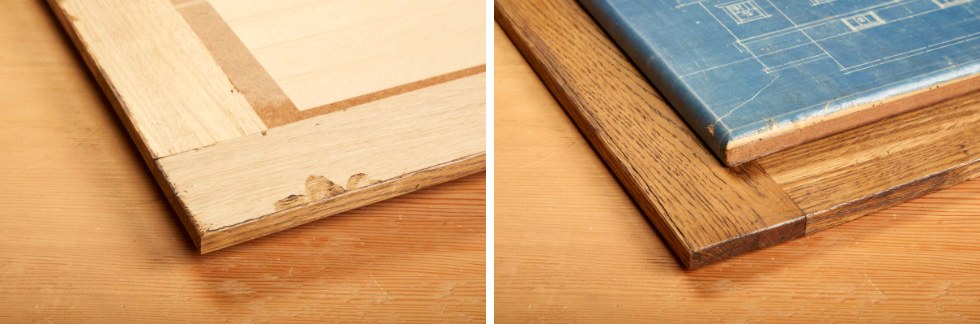
This technique works particularly well on open-grained woods, where the pigment can emphasize the pore structure.
Woodsmith Tip: Test Tinted Wax First. Colored wax can affect different woods and underlying finishes in dramatically different ways. Test the wax on scrap or an inconspicuous part of the project before committing to the entire piece.
Use Dark Wax to Create an Aged Painted Finish
Tinted wax can also be used over paint.
A darker wax tones down bright colors while collecting in corners, seams, recesses, and surface texture. This can give a freshly painted project a more subdued, aged appearance.
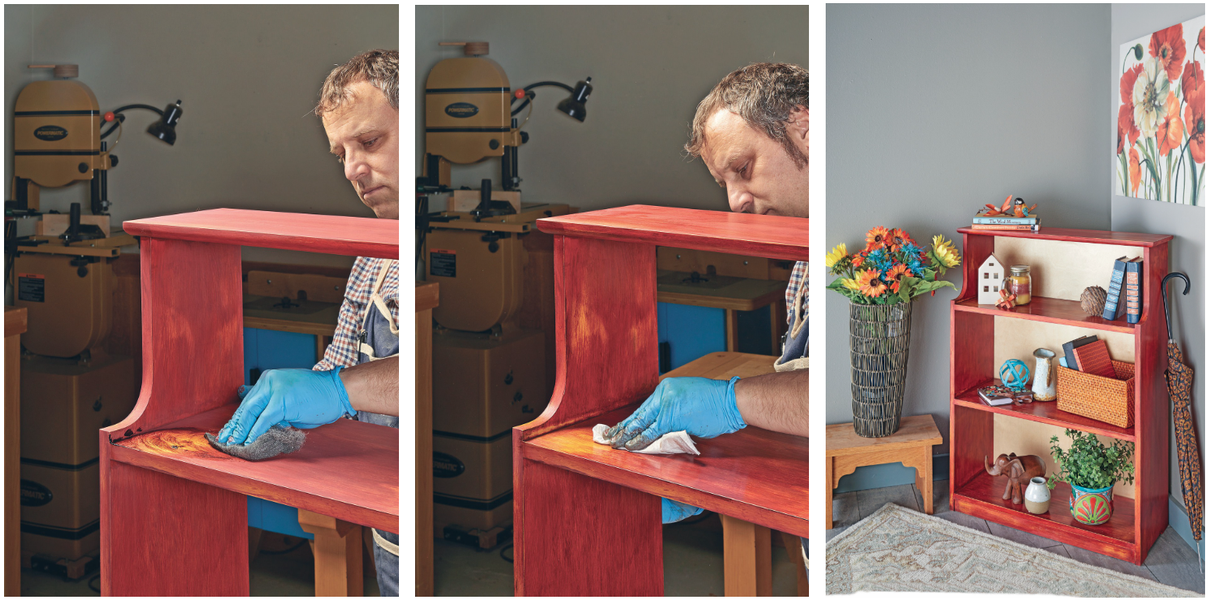
This is particularly effective on projects with molding, carvings, joints, or other details where the darker color has places to accumulate.
Instead of simply adding shine, the wax becomes part of the project's overall color and finishing strategy.
RELATED ARTICLE: How to Create a Layered Paint Finish on Wood
RELATED PROJECT PLANS: Build a Compact Pine Bookcase
What Is Liming Wax?
For a completely different effect, try white liming wax.

Instead of darkening the pores and recesses, liming wax fills them with white pigment. This reverses the usual contrast, particularly on dark-colored or stained surfaces.
On open-grained woods such as oak or ash, the white pigment highlights the grain pattern and can create a distinctly different appearance.
The technique can also be used on other materials and finished surfaces where the texture provides places for the white wax to collect.
Wax vs. Varnish: Which Should You Use?
Wax and varnish solve different finishing problems.
A varnish builds a protective film over the wood and is the better choice when moisture, abrasion, and everyday wear are major concerns.
Wax provides less protection but preserves more of the natural feel and texture of the wood. It's also extremely easy to renew.
So the decision doesn't have to be based on which finish is universally “better.” Ask what the project actually needs.
For a heavily used tabletop, a more protective finish may make sense. For a decorative cabinet, clock, box, shelf, or other lightly used furniture piece, wax may provide exactly the appearance and feel you're looking for.
Let the Furniture Age Gracefully
Finishing doesn't have to be an attempt to freeze a woodworking project in time.
Wood changes color. Edges soften. Surfaces collect small dents and scratches. Areas that are handled frequently develop a different appearance than areas that aren't.
A wax finish accepts those changes rather than completely separating the wood from them. And when the surface needs a little attention, renewing it is straightforward.
For the right project, that's part of the appeal: wax doesn't just finish the furniture. It allows the furniture to age gracefully.
Take Your Finishing Skills Further
Wax is just one way to give a woodworking project the look, feel, and protection you want. Learning how different finishes behave — and how to apply them successfully — gives you more options every time you head into the finishing room.
In our Home Shop Finishing course, you'll learn practical techniques for choosing and applying finishes, including hand-applied and sprayed finishes, outdoor finishes, wax, surface preparation, and safe finishing practices.
Whether you're finishing a piece of fine furniture or a hardworking shop project, you'll have the skills to choose the right approach and get better, more consistent results.