



Comparing the Highest Rated Garage Heater of 2024
Best Overall

Heat Storm is a smart, sleek, and innovative heater that offers the ultimate convenience and comfort. Unlike traditional knob heaters, this one is equipped with an advanced Wifi system, allowing you to change the temperature from your smartphone. It features a large display panel to provide the utmost temperature clarity. This 1500 watt unit is extremely energy efficient as it generates instant heat by consuming only 110 volts.
Pros
- Durable and safe construction for long-lasting usage
- Wifi technology for maximum convenience
- This unit is extremely energy efficient, so you won’t have to worry about your bills
- It has a compact and space-saving design
Cons
- It doesn’t have a tip-over safety feature
Key Features
Additionally, it has a patented HMS cool-touch exterior that not only protects the heater from outside elements but also prevents accidental burns. The surprisingly compact design makes it quite portable, and it comes with wall mounting hardware, so you install it anywhere in your home without sacrificing your precious floor space. Since it is electrically operated, you don’t have to worry about gas lines either; just plug it in your nearest outlet, and this portable heater will fill your room with warm air!
Runner Up

Keep your workshop or garage comfortably warm this winter with Dr. Heater Garage Heater! This 6000 watts electric heater features heavy-duty steel construction and a permanently lubricated ball bearing motor for maximum longevity and low maintenance. This powerful electric heater uses spiral electric heating elements to provide uniform heat, so you don’t have to constantly worry about refilling it with gas.
Pros
- Built-in thermostat to adjust the temperature level
- 5-way adjustable oscillation louvers to change heater orientation according to your need
- It doesn’t generate any noise
- Permanently lubricated parts for minimal maintenance
Cons
- You have to buy the electric cord separately
Key Features
With a built-in thermostat and 5-way adjustable louvers, you can customize the warmth and heater orientation to fit your needs. It is equipped with an 8-inch fan that distributes heat evenly without creating turbulence or noise. Moreover, this unit can be easily mounted on the wall to keep your floor space free.
Honorable Mention

The Fahrenheat Garage Heater is the perfect way to keep your cold, drafty garage warm all winter long. The 5000 watts powerful heater features heavy-duty metal construction for maximum durability. It is equipped with a variety of features to provide you with lasting and comfortable warmth. For instance, the built-in pole thermostat allows you to adjust the heating temperatures, whereas the oscillation louvers let you direct the warmth where you need it most.
Pros
- Durable metal construction for long-lasting use
- Comes with a mounting hardware for easy setup
- Automatic cutout delay feature that makes it extremely energy efficient
Cons
- The heater can be a little bulky
Key Features
Additionally, this smart garage heater has an automatic cutout delay, so it will turn off after a predetermined amount of time, even if you’re not there. That means you can come back to a toasty warm space without having to worry about wasting energy. Plus, it includes a ceiling bracket for vertical or horizontal mounting – so you can position it anywhere in your workspace. This heater is ideal for filling up your garage, workspace, basement, and even patio with supplemental heat!
Also Consider

You want to stay warm during the cold time of year, but you don’t have enough room in your house for a fireplace. A wonderful solution is the Briza Infrared garage heater. This garage heater features carbon heat technology that raises the ambient temperature to deliver lasting comfort and warmth within seconds.
Pros
- It’s extremely efficient, so you’ll save money on your energy bills.
- It’s durable and built to last, so you can count on it to heat your garage year after year.
- It has an adjustable thermostat and comes with three heat settings for increased convenience.
Cons
- The heat output may not be very consistent
Key Features
This heater comes with a remote control that allows you to operate the heater from a distance. It has tons of safety features, including built-in sensors and a tip-over safety system that automatically turn it off in case of emergency and reduce the chances of fire hazard. Additionally, it is exceptionally energy-efficient, and it doesn’t produce any emissions, so it’s great for the environment. Best of all, this heater has an adjustable tripod stand, which gives you the convenience of moving it from one room to another. You can use it in your garage, workshop, patio, entryways, and anywhere you need to create a warm ambiance.

The Mr. Heater portable garage heater is a top-of-the-line product that delivers unparalleled performance. With a variable BTU rating of 38000-125000, it’s designed to heat your 1500 square feet garage quickly and efficiently. It features a commercial-grade construction for maximum durability and endurance.
Pros
- It has an ergonomically designed handle for portability
- Variable BTU rating of 38000-125000 to warm up 1500 square feet
- Commercial grade durable construction
- Patented quiet burner technology that 50% less noise than a traditional heater
Cons
- It can’t be used during rain or snow because water will damage the unit
Key Features
Unlike loud traditional heaters, it has a patented quiet burner technology that makes it one of the most silent garage heaters on the market. Additionally, it has an ergonomically designed easy-grip handle for portability, a piezo ignition system to turn it on, and a swivel-out regulator for easy access to the propane tank. Overall, it has an extremely sleek design, so you can use it anywhere in your home and workshop.
A Buyer's Guide To the Top Garage Heater
Garage heaters are a must-have for cold winters. But with so many products out there, it can be difficult to find the right one. Lucky for you, in this guide, we have compiled all the information you need to make an educated decision buying decision. We have also added some FAQs at the bottom so do check them out too!
Types of Garage Heater
Generally speaking, there are four types of garage heaters available in the market. They vary in fuel source but perform the same function: heat up the space to keep you warm and cozy in the winter season. Here are the most popular garage heaters.
Electric heater
Electric heaters include electric heating panels, electric baseboard heaters, and electric space heaters. These heaters run on electricity and are safer than other types of heaters because they do not produce any carbon monoxide fumes or other harmful emissions. However, they are expensive to operate and should only be considered if you have a separate electrical line for your garage. If you do not have an available electrical outlet, then you should go with a gas or kerosene heater instead.
Gas heater
Gas heaters can be fueled by either natural gas or liquid propane. Liquid propane heater is less expensive to operate, but it requires storage tanks and lines that can be complicated to install in your garage. It also requires ventilation for fuel combustion. However, these heaters are most cost-effective and efficient.
Radiant heater
Radiant garage heaters use an electric resistance coil to generate heat that radiates from the unit and warms objects in its path instead of heating the air directly. This approach has several advantages over other types of heaters: It provides localized heating for specific areas; and it produces little or no humidity or odors that may be associated with combustion, which makes them safer than other types of heaters. Most people prefer them because of the sheer convenience they offer.
Fan forced heater
Fan forced heaters have a fan that draws air through the unit. This creates a gentle flow of heated air and prevents hot and cold spots that can occur with other models. These heaters either rely on gas, oil, or electricity to create heat and are often used in conjunction with a thermostat for added convenience. They are generally easier to install than other types of space heaters as well as safer for installation purposes since they don’t require gas lines. However, they are often electricity-powered, which can cause a huge surge in electricity bills.
How To Choose the Right Garage Heater
Here are some factors that you should consider while buying a garage heater.
Noise level
First, you should consider the noise level of garage heaters because excessive noise can cause significant disruption in your daily routine. They can distract you while you’re doing your work or even keep you from being able to sleep at all. Try to get a heater with patented quiet burner technology as they operate quietly to warm up the space and don’t even cause slightest bit of disruption.
Heat output
The heating capacity of every heater is very important because it helps you in evaluating how much space it can cover and how much heat it can produce. In the case of gas heaters, it is measured in British thermal units (BTU), while in the case of electric heaters, it is measured in watts. The higher the number, the more efficient your heater will be.
While selecting a heater for your garage, keep garage size in mind, check out the heater’s BTU rating, and then decide accordingly. The average garage has a size of about 440 square feet which requires 18,000-21000 BTUs to sufficiently warm up the space. So, if your garage is larger than this, make sure that the heater you buy has a maximum heating capacity of 22,0000 BTU/4,400 watts or more.
Safety features
When purchasing a garage heater, it is important to consider essential safety features that come with the unit. Some of these features include a temperature sensor to control the heat, an overheat protection system that shuts down the unit if it begins to overheat, a feature that automatically shuts off the units when they are tipped over, as well as a thermal cutout system which prevents power from being sent to the unit in case of a short circuit. With these safety features in mind, you will be able to purchase a unit that is safe for you and your family.
Portability
The portability of the heater also plays a vital role in the buying decision. Some garage heaters are small and compact, with wheels for easy maneuvering. Others have ergonomically designed handles that make it easy to pick them up and carry them from room to room. To make the most out of your purchase, look for compact heaters that can be repositioned anywhere in the garage as well as inside the house.
Installation
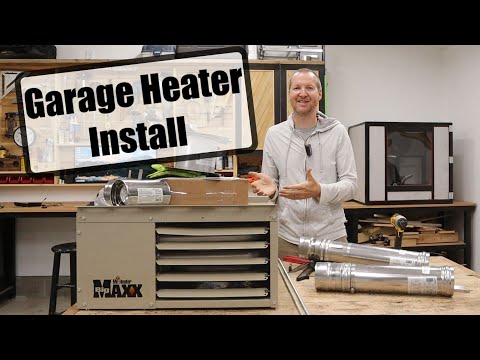
The installation of any garage heater is a crucial factor as this directly affects its performance and overall life span. Garage heaters are usually ceiling-mounted and require little more than attaching brackets and plugging them into an electrical outlet. Make sure you opt for a heater that comes with an instruction manual to make the whole setup process a breezy experience!
For a little more assistance with the installation process, you can check out this video from Chad DIY:
What Additional Features Should You Look For While Buying Garage Heaters?
Although a traditional garage heater can get the job done without bells and whistles, many manufacturers are now providing additional features to make it more appealing and provide ultimate convenience to the user. Some of those features are mentioned below.
Programmable thermostat
A programmable thermostat is a great feature to consider when buying a garage heater. This allows you to customize the temperature for your needs, so you can save energy and money. For instance, you can set the thermostat to turn on before you get home from work, so your garage is warm when you arrive. Or, if you’re planning to be in and out of your garage frequently, you can program the thermostat to turn off after a certain amount of time. Some garage heaters even come with a built-in thermostat, which can help maintain a consistent temperature. Needless to say, the thermostat feature can make it easier and breezy to operate the heater!
Oscillation
Being able to circulate the warmer air in your garage is essential to ensuring the longevity of your vehicles. The oscillation louvers of the heater allow you to disperse the heat more evenly in your garage. Some models even come with almost 180-degree rotation, which is a great way to achieve the optimal temperature and maximize the airflow in your garage.
Remote controls
A remote control feature can be a great convenience, especially if the heater is permanently installed in a garage. This way, you can easily turn the heater on/off and adjust the temperature without having to go outside and stand next to the unit.
How Much Does a Garage Heater Usually Cost?
Garage heaters can be an effective and economical way to keep your garage warm and cozy without having to install a permanent heating system. The cost of a garage heater can vary greatly depending on the type and features in it. You can expect to pay anywhere from $50 to $1,000 for a basic model of a garage heater that runs on propane or natural gas. These models often don’t feature thermostats and are designed more for getting rid of chills than providing consistent heat. The more expensive heaters come with additional features such as oscillation, remote control, automatic ignition system, and they will cost you around $4000.
People Also Asked
Can I Leave The Garage Heater On All The Time?
No, you shouldn't leave your garage heater on all the time. Not only will it increase your electricity bill, but it could actually cause a fire.
Can I use a propane heater in my garage?
Yes, you can use propane heaters in your garage. Since they release a fair share of carbon monoxide into the air (which is quite harmful), you should consider investing in an oxygen depletion system along with them.
What is the most cost-effective way to heat up a garage?
A mid-sized space heater is typically the least expensive way to heat up a garage. The key is to make sure that you use them for only a few hours a day to keep your utility costs low.
Where should I place my garage heater?
To ensure safety and efficiency, try placing your garage heater in one of the corners of your garage or 24 inches away from the wall. Make sure that you leave enough room around it so that nobody accidentally gets too close to it when walking around in the garage and hurts themselves. Also, keep it away from any flammable materials such as gasoline or cleaning products.


