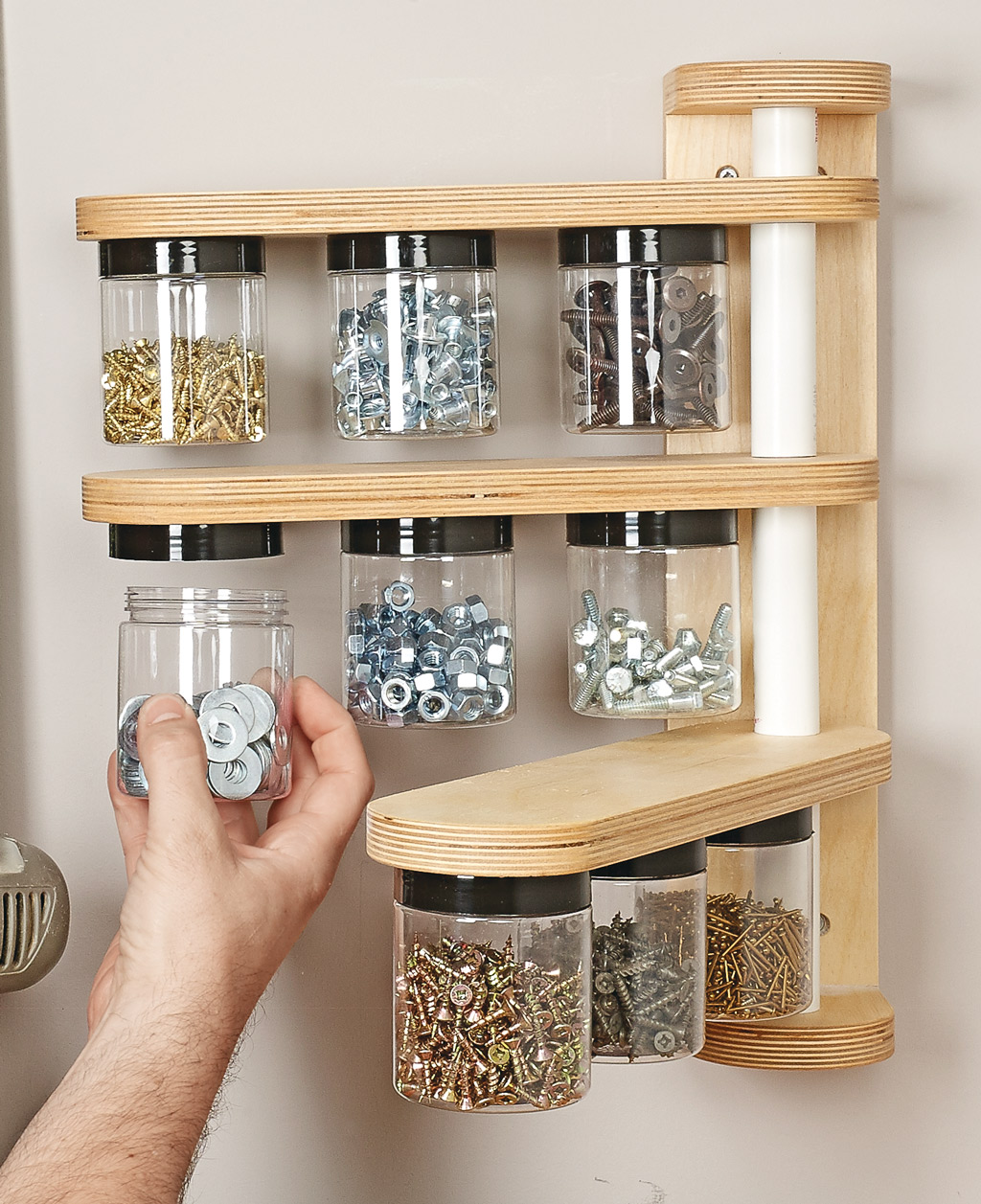


No matter what kind of woodworking you enjoy, clamps are one of the most important tools in the shop. They hold parts in place during glue-ups, keep assemblies square, and make many woodworking tasks safer and more accurate. But with so many clamp styles available, it can be difficult to know which ones you actually need. In the video, Bryan explains the essential clamps every woodworker should own, what each type does best, and how to build a versatile collection without spending a fortune.
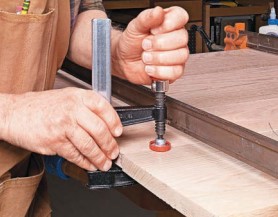
A solid set of F-style bar clamps is the foundation of almost any woodworking shop. They're strong, versatile, and perfect for everything from edge-gluing panels to assembling cabinets and furniture. Heavy-duty bar clamps with Acme-thread screws provide more clamping pressure while resisting flex under load, making them a worthwhile investment for projects of every size.
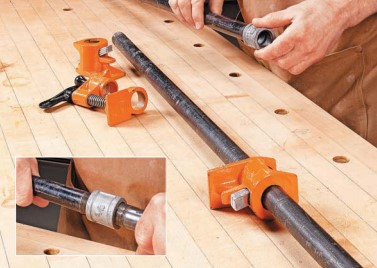
As your projects get larger, pipe clamps become an affordable way to gain longer clamping capacity. Since the clamp heads attach to standard black iron pipe, you can customize the length for each project or even connect multiple pipes with couplers when extra reach is needed. If weight becomes a concern, aluminum bar clamps offer similar capacity while being much easier to handle during large glue-ups.
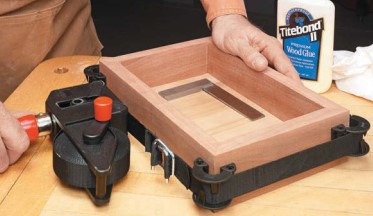
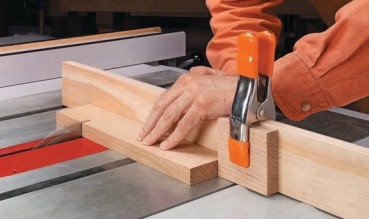
The video also covers several specialty clamps that deserve a place in every woodworking shop. Band clamps are ideal for gluing picture frames, boxes, and other mitered assemblies. C-clamps deliver tremendous pressure for small jobs where maximum holding power is needed, while inexpensive spring clamps make quick work of temporarily holding stop blocks, jigs, templates, and lightweight assemblies.
Whether you're setting up your very first shop or expanding an existing clamp collection, understanding the strengths of each clamp style will help you choose the right tool for every project. Investing in a few quality clamps now will pay dividends on every woodworking project you build in the future.